10 Reasons Why Drones Are Important for Inspections
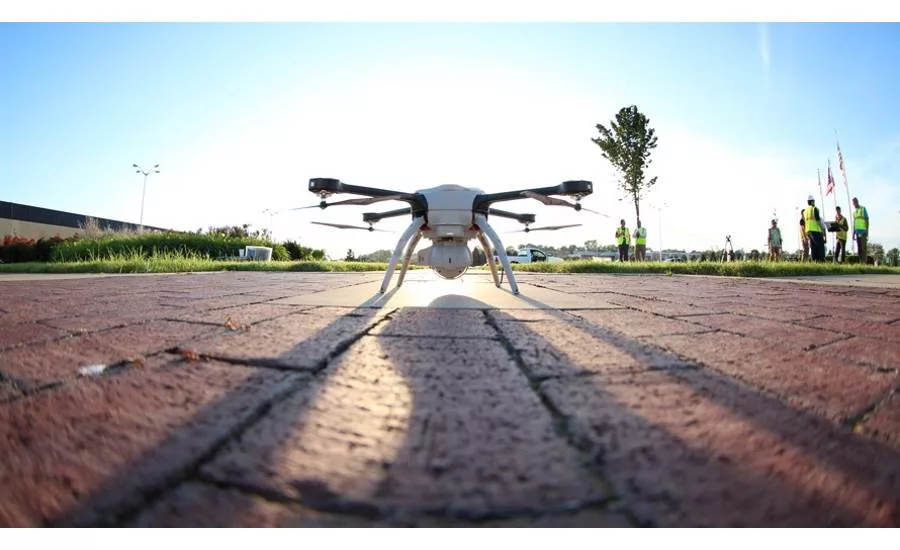
A building inspection is very useful to the building owner, lenders, construction and insurance industries. It provides the current status of the building and shows the value of the building and if there are structural defects. The inspection reports are used for valuations, insurance, marketing as well as for maintenance.
To get these reports using the traditional building inspection methods, people must physically access the building, both internally and externally they assess the areas, carry out the tests and note the details. Due to the different building designs, sizes and environments, the inspection methods may vary from structure to the other.
The small buildings are is easy and cheap to inspect, however, taller buildings and complex designs may require more tools, as well as heavy and expensive inspection gear.
Most people fear the many hazards associated with the building inspections. These range from risks due to malfunctions or incorrect use of equipment and tools, building defects, weather, electrical wires and more. However, the drone based inspection are changing all these, since they have the ability to provide safe, faster and more cost efficient building inspections.
1. Structural collapse
Aged buildings or poorly constructed buildings are likely to collapse due to the extra weight of the building inspectors and equipment. This is not only dangerous but may also lead to the building owner demanding compensation.
Buildings which have not been inspected for a long time higher probabilities of collapsing and it is therefore important to take extra precautions.
2. Requires more time
Due to the manual nature of the checking the wall and roof surfaces as well as other structural details of the building, an inspector will spend quite some time. The inspectors will have to spend more time mounting and moving the climbing gear around and the building. This can be tiring, leading to fatigue and sometimes poor inspection or accidents. Sometimes there are requests to carry out the building inspections within a very short notice. This can be very straining and tiresome, and might not produce desired reports.
3. Expensive to carry out the building inspections
One must engage a qualified and licensed inspection professional. The inspector, together with the workers must also be insured.
Big and tall commercial buildings require heavy and complicated equipment to access and inspect the exteriors and the roof.
These factors leads to expensive building inspections that most home and building owners would like to avoid.
4. Space limitations
There are usually many challenges mounting heavy inspection equipment either at the top or on the ground when the building is located in congested areas. The space limitation will often prevent adequate inspections while increasing the risk of accidents and conflicts with the neighbors.
5. Distractions which may lead to accidents
Distractions during the inspection can lead to providing wrong reports, not carrying adequate evaluation of the structure and sometimes accidents. For example, backing dogs, bees, wasps, birds and other distractions may cause the inspector lose focus and sometimes have an accident especially if this happens when climbing a ladder.
6. Shutting down operations
Some building inspection requires that the building occupants stop some of their operations, hence reducing productivity.
7. Missing out on hidden details
The inspection equipment may be mounted on areas with defects and these locations might be left out when carrying out the tests on the other areas.
Even with the best equipment and tools, some areas in complex designs may still be inaccessible. The inspector will not be able to properly assess the surface, and will, therefore, fail to identify some possible or existing defects.
8. Falling off, Slipping or tripping from the roofs
The building inspectors and workers have greater risk of falling or tripping from slippery, wet and unstable roofs. There are also risks of loose debris falling to the ground and causing damage, or knocking the building occupants, passersby or bystanders. In addition, the people holding the ladder or manning the other associated inspection equipment should be careful to avoid debris and particles from hitting them or getting into their eyes.
9. Structural collapse
These include weak unstable masonry structures, unsafe roof wood framing, rotten sheathing, worn out roofing, old roofing and poorly constructed structures.
Workers, inspectors, a ladder, roof or any other object may fall down on people, cause injuries or even death. In addition, the collapsing roof, or falling objects may also cause an electrical malfunction such as short circuits which may lead to fires.
Protruding nails improperly installed treads and side nails may cause a lot of problems in the exterior wooden decks.
In addition, the missing support, as well as rotting wood, may further complicate things and expose the inspector to more risks.
10. Hazards accessing the roof and tall walls
Whether using a ladder, a crane or any other means, there are several safety risks when accessing the roof. If for example the ladder is not secured properly, chances of falling down are high. Similarly, malfunctioning or not properly secured Bosun Chairs or suspended Swing Stages can lead to fatal accidents. Unstable walls will also increases risks due to weak equipment grip.
Conclusion
There are always challenges when carrying out building inspections. Regardless of the size and type of the structure, the challenges expose the inspectors, workers and building occupants to risks of accidents, electrocution, fires and other safety hazards.
While it is not possible to eliminate all the issues, using drones is one way of increasing the safety and speed of carrying out among residential, commercial and industrial inspections. These will also lower the inspection costs and provide more detailed reports.
For more information, visit industrialskyworks.com.