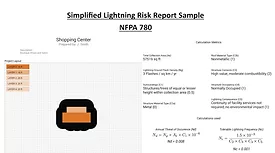
For over 120 years, the NFPA’s Standard 780 has stood as the definitive guide for effective lightning protection. Within the standard lies a crucial tool: the Simplified Risk Calculator, designed to quantify lightning risk for specific structures, empowering architects and engineers to shield properties from nature’s electric wrath.
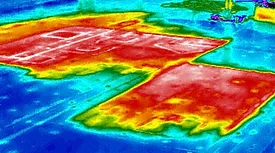
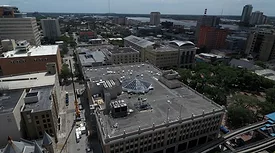
Recent advancements in thermal imaging will take roof inspection tools to the next level. What is a forensic roof inspection, and how does it combine with thermal technology to make structures secure?
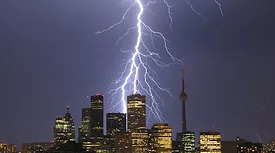
A single lightning strike is hotter than the surface of the sun and contains over 1 million volts of electricity. When this immense energy hits a structure, the power surges through the pipes, building structure, and electrical infrastructure. These damages can be avoided with the proper design and installation of a lightning protection system.
Today we’re talking all things low-slope roofing. Kristin Westover is a Technical Manager of Specialty Installations for low-slope commercial roofing systems at GAF and here to talk about her upcoming webinar, "Low-Slope Roofing 101" airing on December 12th at 2:00 PM EST.
As communities across the nation grapple with escalating urban temperatures, some local municipalities and jurisdictions have mandated the color of roofs based on long-standing assumptions now brought into question by recent findings. The ERA research underscores that the impact of roof color on the UHI effect remains inconclusive, signaling a need for further exploration.
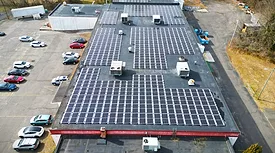
Spearheading its transition to a sustainable and more energy-independent future, specialty glassware manufacturer, Astraglass Innovations has installed a 203.3kW solar system on the roof of its production facility in Vineland, New Jersey.
Two commonly cited solutions are lightning protection systems and surge suppression. While they both address issues related to lightning, they serve distinctly different purposes.
Many roofing contractors will tell you that the easiest part of any project is the actual roofing work. This is particularly true of projects that have challenging administrative, safety, and/or installation requirements.
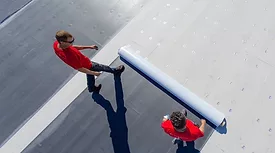
Silicone coatings for flat roofs have grown rapidly in the marketplace, and are expected to continue this trajectory as the combination of waterproofing, reflectivity/energy savings, durability and rain-readiness properties resonate with both contractors and consumers.
According to market research, the cool roof coating market is expected to reach $8.3 billion by 2032—almost doubling what the market currently generates. In our latest issue, we discuss this idea and much more.
 RSS
RSS




-web.webp?height=168&t=1696938151&width=275 "Coatings Installation - White Silicone-8936 (2)-web.jpg")