Five Years After Surfside: The Work of Condominium Safety Continues
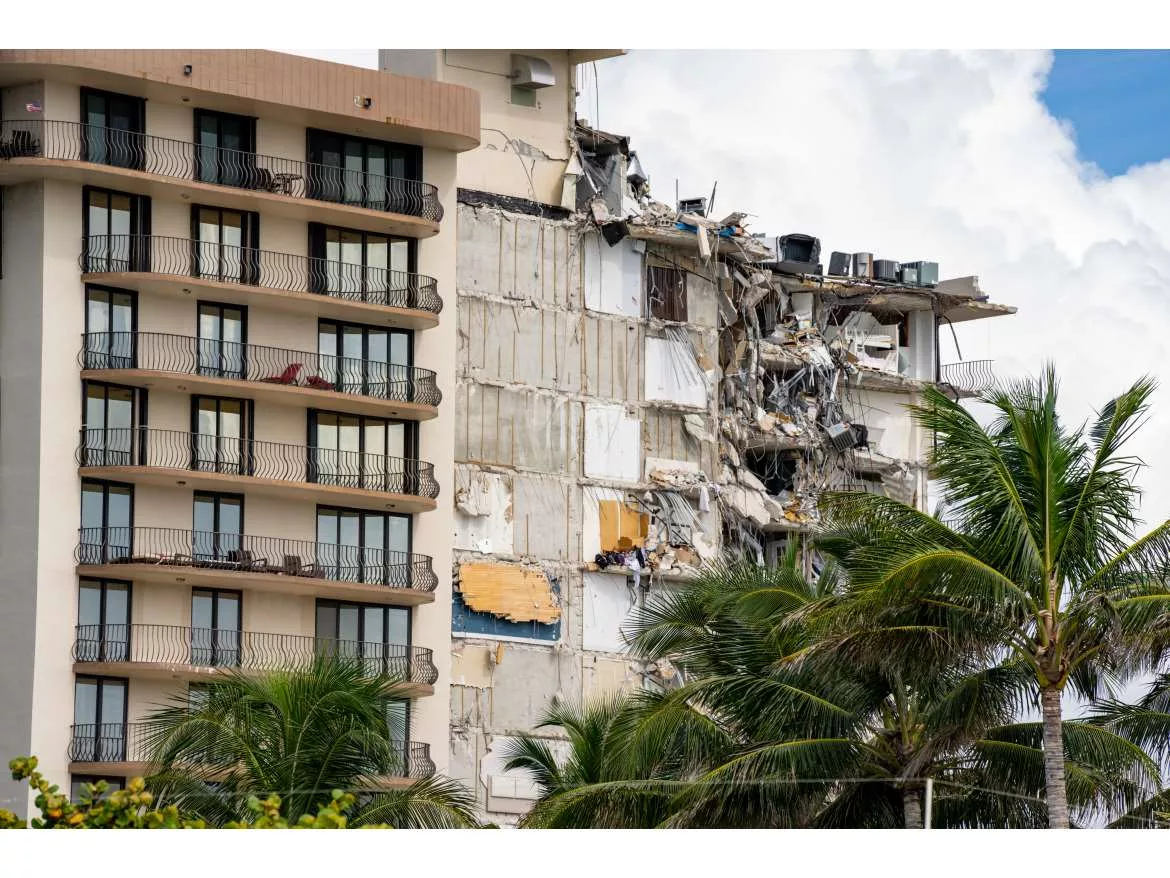
Five years ago, 98 lives were lost when Champlain Towers South partially collapsed
A small, rough piece of concrete sits on my desk.
It came from the site of Champlain Towers South in Surfside, Florida. I brought it back after spending time in the community following the collapse, alongside first responders, families, surviving residents, neighbors who suddenly found themselves without a home, and community association professionals struggling to make sense of an unimaginable tragedy.
Five years ago, 98 lives were lost when Champlain Towers South partially collapsed. The tragedy forever changed families, a community, and our nation's understanding of condominium safety.
As we mark this anniversary, we remember those who lost their lives, honor their families, and affirm the responsibility we share to help ensure condominium buildings remain safe, resilient, and prepared for the future.
Over the past five years, policymakers, engineers, reserve specialists, community leaders, community managers, board members, and residents have done important work to address building infrastructure, maintenance, reserve funding, inspections, transparency, and long-term planning. Across the country, laws have changed, communities have taken a harder look at aging infrastructure and deferred maintenance, and homeowners have become more engaged in conversations about the financial sustainability and safety of their buildings.
These are meaningful steps forward. But progress should not be mistaken for completion.
Buildings continue to age. Infrastructure continues to require investment. Communities continue to face difficult decisions about repairs, insurance, affordability, and long-term planning. The lesson of Surfside is not simply that buildings must be maintained. It is that warning signs cannot be ignored, difficult decisions cannot be endlessly deferred, and long-term financial planning is essential to protecting lives. This work matters. It matters for the safety of families. It matters for protecting more than $2 trillion in condominium infrastructure across the United States. And it matters for preserving housing options and protecting the long-term value and sustainability of these communities.
The work is not always easy. Community leaders face difficult decisions about budgets, major repairs, insurance costs, and homeowner affordability. One of the greatest challenges is helping residents understand the importance of making responsible financial decisions today to support both life safety and long-term sustainability tomorrow.
Today, more than 155,000 condominium associations provide homes for millions of Americans. Preserving the safety and sustainability of these communities is a responsibility that extends far beyond any single building or neighborhood.
The progress made over the past five years is encouraging, but the work is not finished.
That piece of concrete on my desk is a daily reminder that behind every reserve study, inspection report, maintenance project, and policy discussion are real people and real lives.
Five years later, we remember those we lost. We honor the families forever changed. And we continue our steadfast commitment to this important work.
We remember. We honor. And we act.
Looking for a reprint of this article?
From high-res PDFs to custom plaques, order your copy today!
.webp?height=740&t=1767036885&width=auto "Header - BE 1170x658 (002).png")

.webp?height=740&t=1755781744&width=auto "KEE(2).png")