Designing with Daylight
How Modeling and Kalwall Are Shaping Smarter Spaces
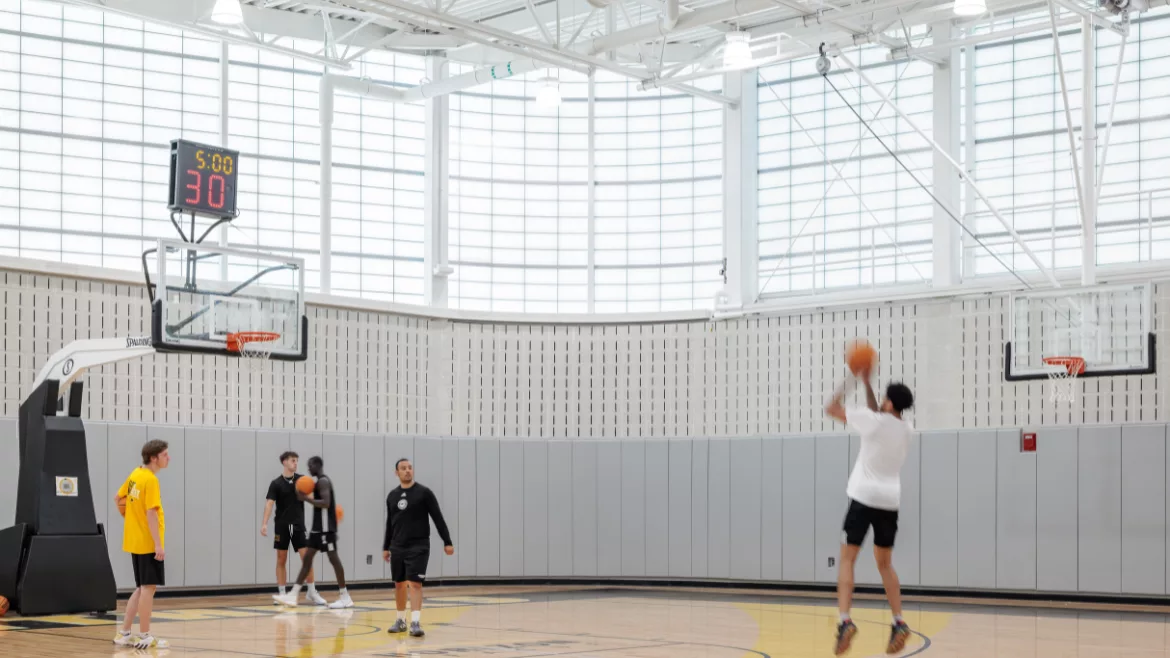
In today’s architecture, daylight isn’t just a design preference—it’s a vital component of human-centric, energy-efficient buildings. It influences how spaces feel, how people function within them, and how sustainably they operate. Yet achieving the right balance of natural light—bright enough to reduce artificial lighting, but not so intense it causes glare or overheating—requires more than intuition. That’s where daylight modeling comes in, and companies like Kalwall are leading the way by offering this sophisticated service for free.
Daylight modeling is a simulation-based process that predicts how natural light will behave inside a building throughout the day and across seasons. By digitally recreating real-world conditions using location-based weather data and accurate building geometry, daylight modeling enables architects and engineers to visualize light distribution, assess performance metrics, and refine designs before construction even begins. These models deliver actionable insights that can dramatically improve both visual comfort and energy performance—and with Kalwall, these insights come at no cost to the design team.
What Is Daylight Modeling?
Daylight modeling uses tools like Radiance, ClimateStudio, or LightStanza to analyze how daylight penetrates and disperses within a building. Simulations are run on 3D models that include glazing types, surface reflectances, room dimensions, and geographic orientation. Unlike static calculations or rule-of-thumb guidelines, this process produces climate-based results grounded in real-world sun paths and weather patterns.
From these simulations, a range of valuable performance metrics is derived:
- Spatial Daylight Autonomy (sDA): Percentage of a space that receives sufficient daylight (e.g. 300 lux for at least 50% of occupied hours).
- Annual Sunlight Exposure (ASE): Measures areas exposed to excessive sunlight, often leading to glare or overheating.
- Useful Daylight Illuminance (UDI): Identifies the range of daylight levels (typically 100–2000 lux) that are beneficial for occupants.
- Daylight Glare Probability (DGP): Evaluates the risk of visual discomfort due to bright light sources or reflections.
Kalwall’s team of experts provides these advanced analyses, helping clients optimize design decisions early—when changes are easiest and most cost-effective to make.
 Image courtesy of Kalwall.
How the Process Works
With Kalwall’s free daylight modeling service, the process is both accessible and efficient. Designers or engineers simply provide a basic 3D model (often from Revit, SketchUp, or similar software), along with information about the site’s location, building orientation, and performance goals. Kalwall’s daylighting team takes it from there.
Using industry-leading simulation tools, Kalwall evaluates how various configurations of their translucent panel systems affect daylight levels and energy performance in the proposed design. The results are delivered as:
- False-color visualizations showing light distribution across surfaces
- Graphs and maps quantifying sDA, UDI, and glare risk
- Recommendations for optimizing panel placement, orientation, and size
This service empowers architects to test, compare, and refine ideas—without needing to become daylighting software experts themselves.
Why Daylight Modeling Matters
1. Better Energy Performance
Buildings designed with effective daylighting can significantly reduce the need for artificial lighting, sometimes by 40% or more. In turn, this eases HVAC loads since electric lighting generates heat. Kalwall panels enhance this benefit by offering high thermal insulation along with diffused daylight transmission, making them ideal for maintaining comfort while reducing reliance on mechanical systems.
Modeling helps quantify these benefits early in the design phase. By using Kalwall’s free service, project teams can visualize how much energy their design might save and make informed adjustments that improve long-term efficiency.
2. Visual Comfort and Glare Control
Glare is one of the most common and disruptive lighting issues in occupied spaces. Whether it’s an office, classroom, or gallery, excessive brightness can lead to eye strain and reduce user satisfaction. Kalwall’s translucent panels naturally diffuse incoming sunlight, eliminating harsh shadows and direct glare while still delivering high-quality daylight.
Through modeling, Kalwall can identify potential glare zones and recommend panel configurations that resolve them—without sacrificing aesthetics or natural light access. Their panels deliver soft, even illumination across an entire space, creating a calming and productive visual environment.
3. Occupant Health and Wellness
Research consistently shows that exposure to daylight improves sleep cycles, boosts mood, and enhances concentration. Daylight access in schools has been linked to higher student performance, while in healthcare, it supports faster recovery and reduced stress.
Kalwall’s modeling tools help designers ensure that these health benefits are delivered to the greatest extent possible. The service doesn’t just tell you how bright a space will be—it shows when and where light will fall, ensuring occupants enjoy consistent, human-friendly light throughout the day and across seasons.
4. Support for Green Building Certifications
For projects seeking LEED, WELL, BREEAM, or CHPS certification, daylight modeling is essential. Kalwall’s free modeling service provides the detailed outputs needed to demonstrate compliance with daylight-related credits.
For example, LEED certification requires demonstrating both spatial daylight autonomy and managing annual sunlight exposure. Kalwall’s service generates the necessary documentation to support these credits, streamlining the submission process and increasing the likelihood of certification success.
Where It Works Best
Kalwall’s daylighting systems, and by extension their modeling services, are highly effective in:
- Educational Facilities: Classrooms, gymnasiums, libraries
- Museums & Galleries: Where UV-sensitive artifacts need glare-free light
- Offices & Workspaces: Supporting productivity and comfort
- Healthcare Settings: Improving patient outcomes and staff wellness
- Transportation Hubs: Delivering ambient light in large, complex spaces
- Industrial or Warehouse Buildings: Where lighting quality impacts safety and performance
No matter the project type, daylight modeling helps optimize placement, material choice, and design strategy to get the most out of every ray of natural light.
A Smarter Way to Design
What sets Kalwall apart is not just the performance of their daylighting products—but their commitment to helping you use them wisely. Their free daylight modeling service removes a major barrier for design teams: the time and expertise required to run advanced lighting simulations.
By integrating this service early in the design process, architects and engineers gain:
- Clear, visual feedback on daylight performance
- Guidance on how Kalwall systems can be best used
- Quantified benefits that support sustainability and comfort goals
- Documentation to support certification and client communication
And because the service is free, there’s no risk—just better information and better buildings.
Final Thoughts
Daylight is a resource that’s abundant, free, and deeply beneficial—but only when used correctly. Through advanced simulation and analysis, daylight modeling turns the art of lighting into a science. And with Kalwall’s no-cost service, that science becomes accessible to every project team—regardless of size, scope, or budget.
By combining powerful modeling tools with translucent panel systems designed for performance, Kalwall helps create buildings that are beautiful, comfortable, and energy-smart. Whether you’re designing a new museum, a school, or a workplace, their expertise and tools can illuminate your path to a better design.
To learn more or request a free daylight model for your next project, visit kalwall.com/daylight-modeling.
Looking for a reprint of this article?
From high-res PDFs to custom plaques, order your copy today!
.webp?height=740&t=1767036885&width=auto "Header - BE 1170x658 (002).png")

.webp?height=740&t=1755781744&width=auto "KEE(2).png")