The Economic Case for Climate-Resilient Construction
Our buildings are on the front lines of changing global climate
All images courtesy of PrimeSource
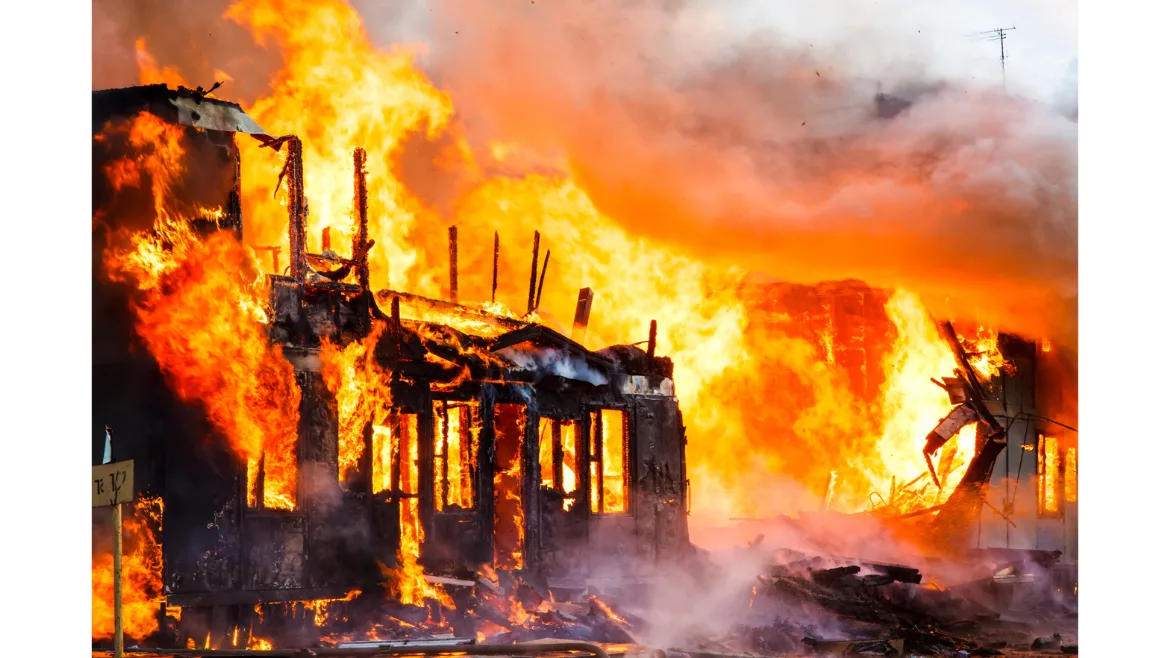
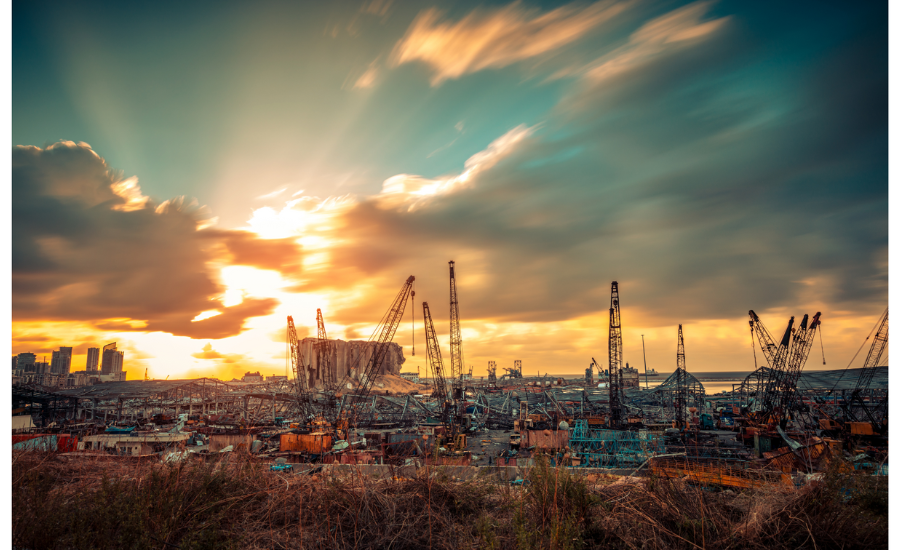
It seems like every month brings another climate-related disaster—each carrying a staggering recovery price tag into the billions of dollars. Over the last decade alone, 190 events have devastated lives and disrupted property, businesses, and entire towns. Wildfires swept through previously quiet California communities while cities like Asheville, North Carolina, experienced unprecedented flooding due to shifting weather patterns.
These events underscore a critical truth: our buildings are on the front lines of changing global climate.
Drought, rising sea levels, and temperature extremes are pushing the limits of conventional building systems. Adapting building technology, techniques, and materials to resist increasing climate pressure is one-way innovators can mitigate the worst nature has to offer. Through new approaches, climate-resilient materials, and other innovative technologies, human ingenuity can reduce the overall impact of nature on economic growth.
Resistance to climate-resilient construction practices primarily stem from the upfront costs resulting from newer technologies. What many don’t see, though, are the long-term challenges and the risks of not adapting.
Understanding the true value of these construction shifts means looking beyond the price tag. When approached strategically, these solutions reduce long-term recovery costs, enhance property performance, and provide a critical hedge against the rising financial risks of a changing climate.
The Cost of Escalating Climate Catastrophes
According to financial think tank OMFIF, climate-related disasters cost the global economy over $320 billion in 2024 alone. The Palisades Fire in California accounted for nearly $50 billion of worldwide recovery costs, and extreme drought will continue to exacerbate future fire risk. As insurance companies reduce or stop coverage in high-risk areas, the cost to recover, rebuild, and return to normal is borne by states, municipalities, and individuals.
During the recent California disaster, some homes withstood the firestorm thanks to climate-resilient construction methods.
A video report from the Austin American-Statesman documented one such home where climate-resilient building materials had helped to future-proof it from the unknown. Homeowner Michael Kovac emphasized the importance of considering the climate when constructing a home.
“Whether it’s dealing with floods in the southeast, or hurricanes, or wildfires in California, we have to be realistic about what those threats are and design accordingly.”
That way of thinking translates to action—and to savings. Resilient construction may carry a higher price tag up front, but it significantly reduces future losses. The numbers on the global disaster receipt demand a shift from disaster response to risk prevention.
Understanding Climate Resilience in Construction
“Climate resilience” needs to be a phrase heard in every construction meeting from coast to coast. The Center for Climate and Energy Solutions refers to this as “the ability to anticipate, prepare for, and respond to hazardous events.” In the built environment, it means utilizing future-forward materials and products to mitigate the impact of these events.
Core principles of climate resilience include:
- Durability – Withstanding wind, fire, flood, and extreme temperatures
- Adaptability – Enabling structures to evolve alongside climate conditions
- Sustainability – Minimizing environmental impact through smarter material choices
Innovators in the building products space embrace these principles by introducing new solutions to the market that support the ultimate goal of climate resilience. Products such as magnesium oxide cement, grass-based structural panels, and locally sourced materials are contributing to a growing number of sustainable and durable solutions.
New Threats Mean New Standards
The built environment is facing challenges well beyond what current building codes were designed to address.
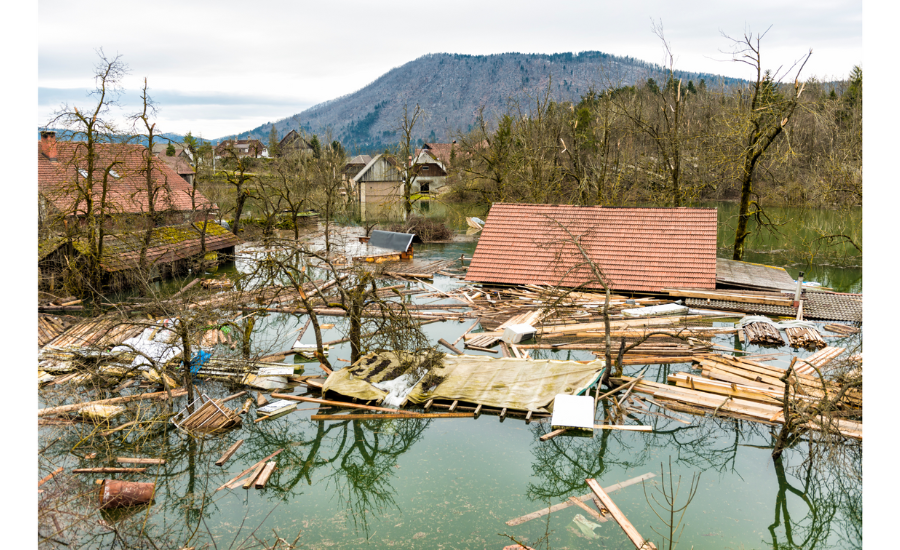
While coastal areas receive the most news coverage, in the Southeast, extreme precipitation events cause so-called 100-year floods to occur with increasing frequency. In March 2025, a massive storm cell crossed the U.S., leaving Frankfort, Kentucky—home to the Buffalo Trace distillery—facing its worst flood in two centuries.
Unstable weather patterns put crucial infrastructure at risk through wildfires, higher tides, and catastrophic flooding events. Addressing pressures to the built environment now requires collaboration between designers and builders willing to think beyond standards that were not created with today’s threats in mind.
Programs like FORTIFIED Home give homeowners and industry professionals a guide to building to an exacting set of standards that focus on weather-hardening the home. This can be a higher initial investment that pays off through lower recovery costs. Pioneered by the Insurance Institute for Business & Home Safety, its criteria is based upon decades of scientific research.
The Building Envelope: First Line of Defense
The building envelope is the structure’s first barrier against climate extremes—managing air, moisture, and thermal transfer to maintain safety and comfort inside. Traditionally shaped by historical climate data, code requirements now lag behind current and projected conditions. As risks escalate, above-code envelope strategies are becoming essential.
For climate-resilient construction, this means using systems—from roofing to wall assemblies—that stabilize the interior against dramatic swings in temperature, wind, and water. In this context, we focus on above-grade components, where materials and detailing most directly influence building performance in extreme conditions.
Roof
Your roof experiences the full weight of climate shifts with increased exposure to high wind, severe hail, and fire risk, not to mention its roles as a crucial component for moisture management. To mitigate these risks, consider installing:
- Metal, slate, and concrete/clay tile roofs for superior durability and fire resistance
- High-temperature underlayments to help reduce thermal transfer and prevent heat damage to the roof deck
- Proper slope and integrated drainage mechanisms that reduce water pooling and long-term degradation
Wall Assemblies: Cladding, Rainscreens, and WRBs
Wall systems must balance defense against bulk water and breathability. Key strategies include:
- Cladding that provides impact resistance and fire protection
- Rainscreens to promote drying by allowing air movement behind cladding, creating a capillary break
- Weather-Resistive Barriers (WRBs) with high vapor permeability to allow trapped moisture to evaporate while protecting against wind-driven rain
Continuous Insulation
A newer concept that’s gaining traction is continuous insulation (CI), which often includes a structural component. Thermal bridging, which reduces the efficiency of traditional stud walls, is not a concern with exterior insulation. Structural insulated panels promote:
- Warmer surface temperatures on interior walls—reducing condensation and mold risk
- Enhanced energy performance through airtightness and steady thermal resistance
- Extended assembly lifespan and compatibility with low-load HVAC systems
Building Beyond the Envelope: Additional Resilience Strategies
Designing for climate resilience means thinking holistically—not just about materials, but how systems interact under stress. Traditional energy, water, and structural systems often can’t handle escalating natural forces, so reinforcing these systems can help prevent the worst outcomes.
Structural Changes
In areas that experience a high incidence of storms, building codes often require the use of accessories such as hurricane ties to strengthen the structure. While these pieces of hardware have a proven track record, structural truss screws are another option with enhanced benefits. Longer than traditional screws, they allow builders to tie the roof to the stud wall and the stud wall to the floor plate more securely than before. Not only that, they are more efficient than hurricane ties and provide a continuous load path throughout the structure.
Water Management
With unpredictable weather patterns come unpredictable rainfall and storm systems. Recently, atmospheric rivers have caused unusually heavy rainfall in California, resulting in unprecedented flooding. Integrating building products that resist water damage, like those fabricated from magnesium oxide cement, reduces the need for complete removal after a flooding event.
Homeowners can also take steps to protect their property with regular maintenance. Actions like cleaning gutters and drains, landscaping, and grading can also help protect structures from water damage.
Energy Resilience Considerations
Power outages, such as those seen in Texas in 2021 and more recently in Appalachia, demonstrate the importance of energy resilience. Modern homes rely on electricity for essential functions, and during a storm or other weather event, power grids can become unreliable. Having backup systems, such as generators or battery systems, can mitigate the worst effects.
The Path Forward
Extreme weather events are no longer “once-in-a-generation.” Staving off the worst effects through climate-resilient construction practices is one of the best ways forward. From an economic standpoint, the cost of reconstruction after a disaster is more expensive than the cost of prevention.
Across all construction projects, both residential and commercial, investing in future-forward technologies is a win-win. Innovation across the building products industry enables greater efficiency and stronger ROI. Of course, the built environment isn’t just about generating a return; it also supports the everyday lives of the people who inhabit it.
Construction professionals worldwide recognize the impact that small choices can have on the greater ecosystem. Encouraging clients to embrace more efficient, climate-stable products helps ensure every project delivers greater value—environmentally, operationally, and financially.
Preventing the next storm or wildfire is outside of our control. Preparing for it is not. That’s our job.
Let’s build structures that do more than shelter. Let’s build systems that stand ready—for whatever’s next.
(2023, February 24). The Great Texas Freeze: February 11-20, 2021. NOAA. https://www.ncei.noaa.gov/news/great-texas-freeze-february-2021
Way, E. (2024, August 2). View from space shows path of power outages from Hurricane Helene. Axios. https://www.axios.com/local/charlotte/2024/10/02/space-image-power-outages-hurricane-helene
(2024, August 17). Plantd Signs Multi-Year Contract With D.R. Horton for 10 Million Carbon-Negative Building Panels. Newswire. https://www.newswire.com/news/plantd-signs-multi-year-contract-with-d-r-horton-for-10-million-carbon-22444348
Looking for a reprint of this article?
From high-res PDFs to custom plaques, order your copy today!

.webp?height=740&t=1767036885&width=auto "Header - BE 1170x658 (002).png")

.webp?height=740&t=1755781744&width=auto "KEE(2).png")
-web.webp?height=200&t=1635342010&width=200 "IMAGE-3-Hartford-Hosp-Prof-Images-(18)-web.jpg")