Building Enclosure logo
search
cart
facebook twitter linkedin youtube instagram Spotify Podcasts Apple Podcasts Spotify Podcasts Apple Podcasts
  • Sign In
  • Create Account
  • Sign Out
  • My Account
Building Enclosure logo
  • NEWS
    • Breaking News
  • SECTIONS
    • Columns
    • Project Profiles
    • Trade Shows
    • Sponsor Insights
  • SYSTEM DESIGNS
    • Low-Slope Roofs
    • Pitched Roofs
    • Metal Roofing Materials
    • Waterproofing
    • Sustainability
    • Insulation
    • Exterior Claddings
    • Wall Systems
    • Building Envelope
  • BLOG
    • The BE Blog
  • MEDIA
    • Podcasts
    • Webinars
    • Quiz
    • Videos
    • Polls
    • Interactive Spotlights
    • Newsletter
    • Photo Galleries
  • DIRECTORIES
    • Directory: Blue Book
    • Directory: Roofing Resource
  • PRODUCTS
  • TECHNICAL
    • Codes
      • Waterproofing
      • Roofing
    • Details
      • Waterproofing
      • Roofing
  • CONTINUING ED
  • ABOUT
    • Advertise
      • Editorial Calendar
    • Contact
    • eMag Archive Issues
  • SIGN UP!
Breaking News

New RAND Study Highlights Gaps Between Architecture Academia and Practice

The report identifies several key findings related to the accessibility, affordability, and applicability of architectural education

The American Institute of Architects logo
Image courtesy of AIA
March 4, 2025

The RAND Corporation has released a new independent study analyzing the gap between architectural academia and practice. Commissioned by the American Institute of Architects (AIA) and the National Council of Architectural Registration Boards (NCARB), with support from the Association of Collegiate Schools of Architecture (ACSA), the Building Impact report identifies several key findings related to the accessibility, affordability, and applicability of architectural education and proposes several recommendations to improve the relationship between education and practice.

A follow-up to the 1996 Building Community report (also known as the “Boyer Report”), the Building Impact report will inform discussions regarding the requirements for architecture program accreditation, as well as efforts to re-envision the requirements for architectural licensure. 

"The insights gained from the Building Impact report not only validate the AIA's ongoing efforts to strengthen and diversify the architecture pipeline, but they also serve as a vital compass for shaping future initiatives,” said 2025 AIA President, Evelyn Lee, FAIA. “I’m optimistic that the architecture community will come together, leveraging our shared passion and commitment, to address the crucial challenges highlighted in this report and build a stronger, more inclusive future for our profession.”

“The Building Community report comes at an opportune time for NCARB as we seek to reimagine the architecture licensure process” said NCARB President Kenneth R. Van Tine, AIA, NCARB, LEED AP. “This study provides independent confirmation of the need to create multiple pathways into the architecture profession, including opportunities outside of a traditional education in architecture.” 

Key Findings

The Building Impact report shares insights from surveys and interviews conducted by the RAND Corporation with architecture students, faculty, and practicing professionals. Key insights from the report include: 

  • Architecture program application processes, requirements, and costs—as well as post-graduation licensure requirements—create barriers that keep students from pursuing a career in architecture. Establishing more accessible entry points is essential to reducing the burden on students and increasing interest in the profession for years to come. 
  • Both students and practitioners indicate a desire to incorporate a greater emphasis on technical skills and hands-on experience during architecture school. Current tensions between what should be taught at school versus on the job leave graduates underprepared to make the transition from student to working professional. 
  • Architecture programs lack key resources such as funding and time to implement strong, lasting partnerships with architecture firms. Supporting these partnerships could lead to improvements such as stronger research efforts and mentorship systems.

About the Study

The Building Impact report is the outcome of an independent study conducted by the RAND Corporation’s Division of Education and Labor. Data capture was conducted with support from NCARB, AIA, and the Association of Collegiate Schools of Architecture (ACSA) and included research related to architectural education, practice, innovation in architecture, the role of architecture in addressing social change issues, and collaboration between academia and architecture firms. 

Read the full report at http://www.rand.org/t/rra3636-1.

KEYWORDS: architecture NCARB (National Council of Architectural Registration Boards) reports and studies students

Share This Story

Looking for a reprint of this article?
From high-res PDFs to custom plaques, order your copy today!


Recommended Content

JOIN TODAY
to unlock your recommendations.

Already have an account? Sign In

  • bar graph shows LEED v4/LEED v5/LEED v6 in various colors

    When Will LEED v4 / v4.1 and LEED v5 Expire?

    The latest version of the LEED rating system, LEED v5, is...
    Sustainability
    By: Daniel Overbey
  • Celebrating Women In AEC-2026

    Celebrating Women in The AEC Industry Part 1

    A round-up of women in the design, engineering and...
    Sustainability
    By: Lindsay Lewis
  • KEE membrane application on a roof

    A Beginner’s Guide to Single-Ply Roofing Membranes

    While PVC and TPO appear extremely similar, the chemistry...
    Low-Slope Roofs
    By: Peter Gross
Manage My Account
  • Sign up for the Newsletter
  • Online Registration
  • Manage My Preferences
  • Registration Customer Service

More Videos

Sponsored Content

Sponsored Content is a special paid section where industry companies provide high quality, objective, non-commercial content around topics of interest to the Building Enclosure audience. All Sponsored Content is supplied by the advertising company and any opinions expressed in this article are those of the author and not necessarily reflect the views of Building Enclosure or its parent company, BNP Media. Interested in participating in our Sponsored Content section? Contact your local rep!

close
  • HITT Construction headquarters
    Sponsored byBuilding Composites® LLC

    Pushing the Envelope

  • 2 construction workers and a DEXcell panel
    Sponsored byDEXcell Roof Boards

    Designing Low-Slope Roofs for Resilience

  • Bell Bank headquarters in Fargo, North Dakota
    Sponsored bySto Corp.

    Drained and Back-Ventilated Rainscreens vs Pressurized-Equalized Rainscreens

Popular Stories

graphic shows white arrows pointing to the right on a light green background

A Breakdown of Air Leakage Testing in LEED v5 BD+C

Open vs. closed cell foam in an attic

Open-Cell vs. Closed-Cell Spray Foam

skyscraper

NYC Tower Failure Offers Warning for Contractors

Building Enclosure Newsletter

BE Poll

Events

April 9, 2026

Strategies for High-Performance Below-Grade Waterproofing

Credits: 1 AIA LU/HSW ; 1 IIBEC CEH; 0.1 IACET CEU

On-Demand Designing a high-performance building enclosure requires more than just surface-level protection; it demands a rigorous, performance-based mastery of below-grade water and gas mitigation. This discussion will provide an expert-level analysis of below-grade waterproofing within the comprehensive framework of the high-performance building enclosure.

April 28, 2026

Roof Design Considerations That Prevent Installation Failures and Change Orders

Credit: 1 AIA LU/HSW; 1 IIBEC CEH; 0.1 ICC CEU

On-Demand This course provides visual examples of actual field conditions. Some good, some not so good; along with design suggestions that can cut installation costs and reduce construction change orders. Upon completion of this course, you will have a better understanding of the requirements the roofing contractor must meet to provide the specified roofing system warranty, and long-term value to the owner.

View All Submit An Event

Products

Plaster and Drywall Assemblies Manual

Plaster and Drywall Assemblies Manual

This is a comprehensive manual that goes beyond codes and standards, providing expert guidance in design, detailing, material selection and troubleshooting for plaster and drywall.

See More Products

Related Articles

  • NCARB.jpg

    NCARB Report Highlights Key Skills for Entry-Level Architecture Positions

    See More
  • NCARB 2025 Building on Belonging report cover

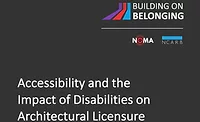
    New Report Highlights Impact of Disabilities on Architectural Licensure

    See More
  • Bluebeam logo on top of Zero Prostate logo

    New Bluebeam Survey Uncovers Major Gaps in Prostate Cancer Screening Among Construction Workers

    See More

Related Products

See More Products
  • 71lmKx8brKL._SY385_.jpg

    A Visual Dictionary of Architecture, 2nd Edition

  • heating cooling.jpg

    Heating, Cooling, Lighting: Sustainable Design Strategies Towards Net Zero Architecture, 5th Edition

  • ecology.jpg

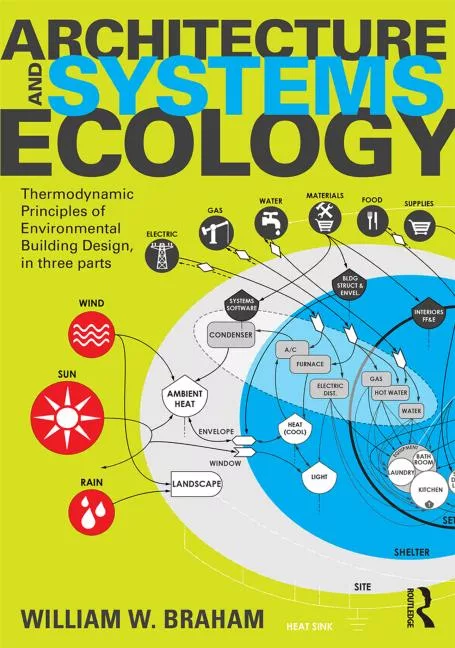
    Architecture and Systems Ecology: Thermodynamic Principles of Environmental Building Design, in three parts

See More Products
×

Enhance your expertise with unparalleled insights.

Join thousands of building professionals today. Shouldn’t you know what they know?

SUBSCRIBE TODAY!
  • RESOURCES
    • Advertise
    • Contact Us
    • Store
    • Want More
  • SIGN UP TODAY
    • Create Account
    • Newsletter
    • Customer Service
    • Manage Preferences
  • SERVICES
    • Marketing Services
    • Reprints
    • Market Research
    • List Rental
    • Survey/Respondent Access
  • STAY CONNECTED
    • LinkedIn
    • Facebook
    • Instagram
    • YouTube
    • X
  • PRIVACY
    • PRIVACY POLICY
    • TERMS & CONDITIONS
    • DO NOT SELL MY PERSONAL INFORMATION
    • PRIVACY REQUEST
    • ACCESSIBILITY

Copyright ©2026. All Rights Reserved BNP Media, Inc. and BNP Media II, LLC.

Design, CMS, Hosting & Web Development :: ePublishing