Building Enclosure logo
search
cart
facebook twitter linkedin youtube instagram Spotify Podcasts Apple Podcasts Spotify Podcasts Apple Podcasts
  • Sign In
  • Create Account
  • Sign Out
  • My Account
Building Enclosure logo
  • NEWS
    • Breaking News
  • SECTIONS
    • Columns
    • Project Profiles
    • Trade Shows
    • Sponsor Insights
  • SYSTEM DESIGNS
    • Low-Slope Roofs
    • Pitched Roofs
    • Metal Roofing Materials
    • Waterproofing
    • Sustainability
    • Insulation
    • Exterior Claddings
    • Wall Systems
    • Building Envelope
  • BLOG
    • The BE Blog
  • MEDIA
    • Podcasts
    • Webinars
    • Quiz
    • Videos
    • Polls
    • Interactive Spotlights
    • Newsletter
    • Photo Galleries
  • DIRECTORIES
    • Directory: Blue Book
    • Directory: Roofing Resource
  • PRODUCTS
  • TECHNICAL
    • Codes
      • Waterproofing
      • Roofing
    • Details
      • Waterproofing
      • Roofing
  • CONTINUING ED
  • ABOUT
    • Advertise
      • Editorial Calendar
    • Contact
    • eMag Archive Issues
  • SIGN UP!
Columns

Three Ways Technology Will Drive Young Talent to the Trades

By leading with technology in the trades, new workers will come, and stay.

By Bartholomew Jae
Digitalization in construction
Image Credit: MilanMarkovic / iStock / Getty Images Plus via Getty Images.

Younger workers crave technology-driven career paths. Photo courtesy of NFPA.

February 10, 2025

When people think of the skilled trades, they may picture a traditional industry that mainly attracts workers drawn to hands-on labor, versus innovative technology or tools. Yet the reality is that while there will always be manual components to trade careers and traditional approaches are still going strong, digitalization has disrupted this industry and introduced new ways of thinking and doing. Moreover, the increased adoption of technology across the board has been enticing the next generation of workers to these occupations and checking the boxes of what they’re seeking in their careers. These digital natives are accustomed to leveraging technology across every facet of their personal lives for ease and efficiency, so it only makes sense that they expect to be able to do the same in their professional lives.

Amid this “rebrand” of the trades, employers are more enthusiastically touting the growing use of cutting-edge technology as one of the primary motivators to join these fields, along with other incentives like job stability and family-supporting incomes. This message will resonate even more strongly over time as more and more digital tools and trainings become engrained in everyday operations and workflows. 


Using Technology in the Field

To curb labor shortages and skills gaps, more young workers need to step in to fill empty roles as older workers retire in massive waves. To facilitate this, employers and educational institutions are likely to double down on their efforts to reach Gen Z workers and increase awareness, exposure, and fruitful pathways to careers in the trades. 

Along with spreading the message that careers in the trades are rewarding and lucrative, employers should also emphasize the many opportunities workers will have to use technology in their day-to-day roles — for example, referencing codes and standards via an easy-to-use digital library or using AI-powered solutions to mitigate hazards or boost efficiencies. In fact, almost half of the respondents to the National Fire Protection Association’s 2025 Industry Trends Survey plan to adopt more digital tools in 2025 than they did in 2024 to support the efficiency and safety of their day-to-day operations and help them mitigate challenges, such as a lack of effective communication on jobsites. This trend illustrates workers’ desire to perform their jobs in smarter, more connected ways, bringing parity to how technology is being used in workplaces and everyday life.


Learning Via Technology

In addition to highlighting how digital tools are being used in the field, trades employers should continue to draw attention to how they’re using technology to train new and existing talent — particularly since Gen Z prioritizes career development and advancement above all when taking a new job. For example, many employers now offer trainings in convenient digital formats for those who prefer to learn asynchronously and at their own pace. The more accessible trainings are for employees, the more valuable they will be, particularly to Gen Z workers who are accustomed to flexibility and accessing content across different devices at any time, from anywhere. While in-person, instructor-led training classes will always be well received by some, younger workers are apt to wonder if the session could have been held virtually or presented in on-demand videos, so employers need to be aware of these expectations in order to effectively teach the next generation.

Further, many trainings are now incorporating more digital experiences, implementing immersive models like gamification and virtual reality (VR) or augmented reality (AR) to make learning more engaging and interactive. These technologies allow participants to interact with different simulated environments, make decisions, and prove their competencies, preparing them for real-life scenarios they may face on the job. As more digital tools are integrated into trades processes, future trainings will reflect this by leaning into tech-centric content and delivery. 


Inheriting Wisdom Through Technology

Finally, technology will continue to make it less daunting for new or inexperienced workers to master their trades. While veteran workers have historically passed down their acquired knowledge and skills to newbies by word of mouth, digital tools are helping preserve this knowledge so it’s not lost as they age out of the workforce. Younger workers can now turn to collaborative digital hubs to find notes and tips documented by those in the role before them. Employers that adopt tools like digital codebooks and encourage veteran workers to leave tidbits of wisdom on these platforms will ensure knowledge can be easily shared across teams for years to come. 

The increasing integration of technology across all aspects of the trades will not only help the industry address pressing challenges like an aging workforce and widening skills gaps, but it will also go a long way toward improving the experience for new and existing workers. To appeal to “digital natives” like Gen Z workers, employers should continue fostering environments where they can work and collaborate with technology, enhance their skills with digital trainings, and work smarter, not harder. By leading with technology in the trades, new workers will come, and stay. 

KEYWORDS: AI (artificial intelligence) apps and software labor shortage technology virtual reality

Share This Story

Looking for a reprint of this article?
From high-res PDFs to custom plaques, order your copy today!


B jae headshot

Bartholomew Jae is the Director of Education & Development at NFPA.

Recommended Content

JOIN TODAY
to unlock your recommendations.

Already have an account? Sign In

  • bar graph shows LEED v4/LEED v5/LEED v6 in various colors

    When Will LEED v4 / v4.1 and LEED v5 Expire?

    The latest version of the LEED rating system, LEED v5, is...
    Sustainability
    By: Daniel Overbey
  • Celebrating Women In AEC-2026

    Celebrating Women in The AEC Industry Part 1

    A round-up of women in the design, engineering and...
    Sustainability
    By: Lindsay Lewis
  • KEE membrane application on a roof

    A Beginner’s Guide to Single-Ply Roofing Membranes

    While PVC and TPO appear extremely similar, the chemistry...
    Low-Slope Roofs
    By: Peter Gross
Manage My Account
  • Sign up for the Newsletter
  • Online Registration
  • Manage My Preferences
  • Registration Customer Service

More Videos

Sponsored Content

Sponsored Content is a special paid section where industry companies provide high quality, objective, non-commercial content around topics of interest to the Building Enclosure audience. All Sponsored Content is supplied by the advertising company and any opinions expressed in this article are those of the author and not necessarily reflect the views of Building Enclosure or its parent company, BNP Media. Interested in participating in our Sponsored Content section? Contact your local rep!

close
  • 2 construction workers and a DEXcell panel
    Sponsored byDEXcell Roof Boards

    Designing Low-Slope Roofs for Resilience

  • Bell Bank headquarters in Fargo, North Dakota
    Sponsored bySto Corp.

    Drained and Back-Ventilated Rainscreens vs Pressurized-Equalized Rainscreens

  • A construction worker using DEXcell roof boards
    Sponsored byDEXcell Roof Boards

    The Hidden Strength of Low-Slope Roof Systems: Why Roof Cover Boards Matter

Popular Stories

construction industry workers in hard hats stand around a city scape

Construction Industry Revolts Over New CSI Licensing Plan

a man wearing a mask installs insulation into a wall system

Quiet Rooms and Healthier Air: A Second Look at What Goes Inside the Wall Cavity

Canalino Elementary School and Canalino Family School exterior

Daylighting Design to Support Rapidly Growing Trend in Modular Building Construction

Building Enclosure Newsletter

BE Poll

Events

June 17, 2025

Addressing Condensation in Low-Slope Roof Assemblies

Credits: 1 AIA LU/HSW; 0.1 ICC CEU; 1 IIBEC CEH; 0.1 IACET CEU

On Demand In modern roofing systems, vapor retarders and air barriers do more than just minimize air leakage—they’re essential to maximizing performance and longevity. This engaging course dives into the next generation of moisture control: permeable vapor retarders and air barriers. Discover how these cutting-edge technologies are transforming low-slope roofing assemblies by improving energy efficiency, managing moisture, and boosting wind uplift resistance.

April 9, 2026

Strategies for High-Performance Below-Grade Waterproofing

Credits: 1 AIA LU/HSW ; 1 IIBEC CEH; 0.1 IACET CEU

On-Demand Designing a high-performance building enclosure requires more than just surface-level protection; it demands a rigorous, performance-based mastery of below-grade water and gas mitigation. This discussion will provide an expert-level analysis of below-grade waterproofing within the comprehensive framework of the high-performance building enclosure.

View All Submit An Event

Products

Plaster and Drywall Assemblies Manual

Plaster and Drywall Assemblies Manual

This is a comprehensive manual that goes beyond codes and standards, providing expert guidance in design, detailing, material selection and troubleshooting for plaster and drywall.

See More Products

Related Articles

  • Dirty Jobs' Mike Rowe Offers Help to the Trades; Finding and Filling Jobs in Your Market, Part 2

    See More
  • roof coatings

    Three Simple Ways to Incorporate Coatings into Service and Maintenance Programs

    See More
  • 1-11-17 Climate Change

    Open Source Tool will Help Drive Emission Reduction

    See More

Related Products

See More Products
  • building codes illustated.jpg

    Building Codes Illustrated: A Guide to Understanding the 2021 International Building Code, 7th Edition

  • ecology.jpg

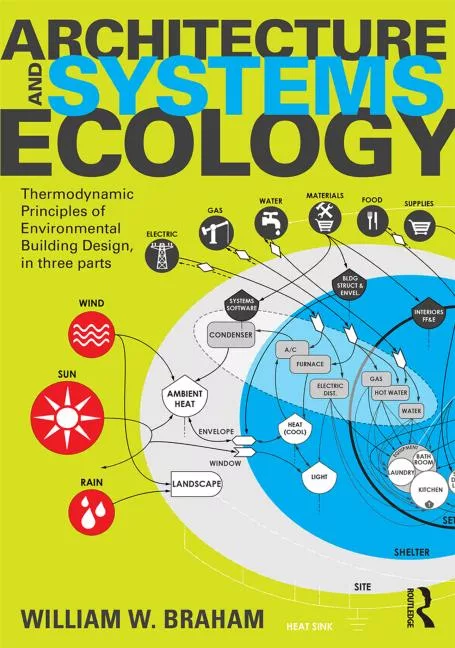
    Architecture and Systems Ecology: Thermodynamic Principles of Environmental Building Design, in three parts

  • facility.jpg

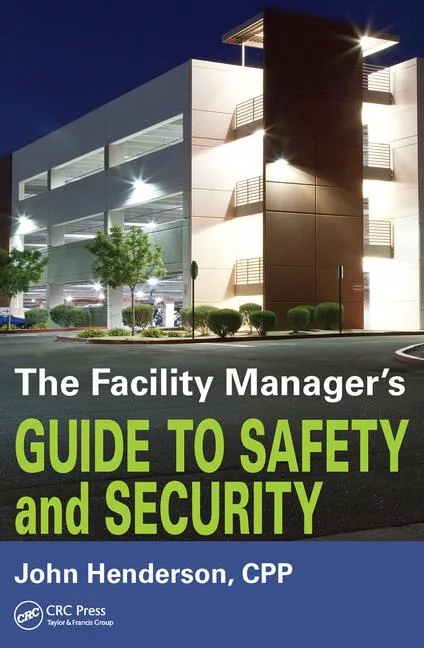
    The Facility Manager's Guide to Safety and Security

See More Products
×

Enhance your expertise with unparalleled insights.

Join thousands of building professionals today. Shouldn’t you know what they know?

SUBSCRIBE TODAY!
  • RESOURCES
    • Advertise
    • Contact Us
    • Store
    • Want More
  • SIGN UP TODAY
    • Create Account
    • Newsletter
    • Customer Service
    • Manage Preferences
  • SERVICES
    • Marketing Services
    • Reprints
    • Market Research
    • List Rental
    • Survey/Respondent Access
  • STAY CONNECTED
    • LinkedIn
    • Facebook
    • Instagram
    • YouTube
    • X
  • PRIVACY
    • PRIVACY POLICY
    • TERMS & CONDITIONS
    • DO NOT SELL MY PERSONAL INFORMATION
    • PRIVACY REQUEST
    • ACCESSIBILITY

Copyright ©2026. All Rights Reserved BNP Media, Inc. and BNP Media II, LLC.

Design, CMS, Hosting & Web Development :: ePublishing