Building Enclosure logo
search
cart
facebook twitter linkedin youtube instagram Spotify Podcasts Apple Podcasts Spotify Podcasts Apple Podcasts
  • Sign In
  • Create Account
  • Sign Out
  • My Account
Building Enclosure logo
  • NEWS
    • Breaking News
  • SECTIONS
    • Columns
    • Project Profiles
    • Trade Shows
    • Sponsor Insights
  • SYSTEM DESIGNS
    • Low-Slope Roofs
    • Pitched Roofs
    • Metal Roofing Materials
    • Waterproofing
    • Sustainability
    • Insulation
    • Exterior Claddings
    • Wall Systems
    • Building Envelope
  • BLOG
    • The BE Blog
  • MEDIA
    • Podcasts
    • Webinars
    • Quiz
    • Videos
    • Polls
    • Interactive Spotlights
    • Newsletter
    • Photo Galleries
  • DIRECTORIES
    • Directory: Blue Book
    • Directory: Roofing Resource
  • PRODUCTS
  • TECHNICAL
    • Codes
      • Waterproofing
      • Roofing
    • Details
      • Waterproofing
      • Roofing
  • CONTINUING ED
  • ABOUT
    • Advertise
      • Editorial Calendar
    • Contact
    • eMag Archive Issues
  • SIGN UP!
Pitched Roofs

Why Are PVC Roofs So Durable?
CFFA - Vinyl Roofing Division Durable PVC Roofs PR Image 1.24.22.jpg
February 7, 2022

How durable is PVC roofing? So durable that it was chosen for the National Oceanic and Atmospheric Administration (NOAA)’s Hurricane Center located in Miami. This is an organization that knows a thing or two about the abuse extreme weather can exert on roofs. When it came time to cover its own building, the powers that be at NOAA chose PVC.

What makes PVC so durable? The Chemical Fabrics and Film Association - Vinyl Roofing Division, the trade association for the material, says it comes down to four major factors: heat-welded seams, combustion resistance, watertightness, and wind uplift rating. 

PVC roofing membranes are constructed of a flexible, tear- and water-resistant polymer reinforced with fiberglass non-woven mats or polyester woven scrims. These roofing components ensure PVC’s dimensional stability, durability, and capacity to respond to a building’s normal expansion and contraction and resiliency challenges. It has a track record of performing in every conceivable and extreme temperature condition.

The heat-welded seams of PVC roofing systems are fused together with hot air. These seams form a permanent, watertight bond – regardless of roof slope – that is stronger than the membrane itself. This is a major advantage thermoplastic membranes have over other types of roofing systems that rely on adhesives, tapes, and caulks to seal the seams. No solvent wiping or solvent-based adhesives are necessary for seaming as with alternative roofing systems, nor are torches, open flames or kettles required.

The PVC polymer’s composition gives this roofing material an inherent combustion resistance not found in alternative materials without additives. PVC roofing membranes are difficult to ignite, burn very slowly, and tend to self-extinguish when the flame source is removed. This is in stark contrast to other roofing materials that will continue to support combustion even after the flame source is no longer present. PVC roofs have passed both FM and UL fire testing, achieving unlimited slope approvals. 

As a watertight membrane, PVC roofing membranes have been successfully used in waterproofing applications for more than five decades. They are manufactured to remain watertight in extreme conditions, including constant dampness, ponding water, high and low alkaline conditions and exposure to plant roots, fungi, and bacteria.

Properly designed PVC roofing systems provide durability and can meet or exceed the wind uplift requirements needed to obtain FM approvals. Many membranes have survived the onslaught of hurricanes (which brings us back to NOAA), and can be designed specifically for storm-prone climates.

For more information visit https://vinylroofs.org/durability/.

KEYWORDS: membranes PVC (Polyvinyl Chloride) roofing roofing membranes wind resistance

Share This Story

Looking for a reprint of this article?
From high-res PDFs to custom plaques, order your copy today!


Recommended Content

JOIN TODAY
to unlock your recommendations.

Already have an account? Sign In

  • bar graph shows LEED v4/LEED v5/LEED v6 in various colors

    When Will LEED v4 / v4.1 and LEED v5 Expire?

    The latest version of the LEED rating system, LEED v5, is...
    Sustainability
    By: Daniel Overbey
  • Celebrating Women In AEC-2026

    Celebrating Women in The AEC Industry Part 1

    A round-up of women in the design, engineering and...
    Sustainability
    By: Lindsay Lewis
  • KEE membrane application on a roof

    A Beginner’s Guide to Single-Ply Roofing Membranes

    While PVC and TPO appear extremely similar, the chemistry...
    Low-Slope Roofs
    By: Peter Gross
Manage My Account
  • Sign up for the Newsletter
  • Online Registration
  • Manage My Preferences
  • Registration Customer Service

More Videos

Sponsored Content

Sponsored Content is a special paid section where industry companies provide high quality, objective, non-commercial content around topics of interest to the Building Enclosure audience. All Sponsored Content is supplied by the advertising company and any opinions expressed in this article are those of the author and not necessarily reflect the views of Building Enclosure or its parent company, BNP Media. Interested in participating in our Sponsored Content section? Contact your local rep!

close
  • HITT Construction headquarters
    Sponsored byBuilding Composites® LLC

    Pushing the Envelope

  • 2 construction workers and a DEXcell panel
    Sponsored byDEXcell Roof Boards

    Designing Low-Slope Roofs for Resilience

  • Bell Bank headquarters in Fargo, North Dakota
    Sponsored bySto Corp.

    Drained and Back-Ventilated Rainscreens vs Pressurized-Equalized Rainscreens

Popular Stories

graphic shows white arrows pointing to the right on a light green background

A Breakdown of Air Leakage Testing in LEED v5 BD+C

Open vs. closed cell foam in an attic

Open-Cell vs. Closed-Cell Spray Foam

skyscraper

NYC Tower Failure Offers Warning for Contractors

Building Enclosure Newsletter

BE Poll

Events

April 9, 2026

Strategies for High-Performance Below-Grade Waterproofing

Credits: 1 AIA LU/HSW ; 1 IIBEC CEH; 0.1 IACET CEU

On-Demand Designing a high-performance building enclosure requires more than just surface-level protection; it demands a rigorous, performance-based mastery of below-grade water and gas mitigation. This discussion will provide an expert-level analysis of below-grade waterproofing within the comprehensive framework of the high-performance building enclosure.

April 28, 2026

Roof Design Considerations That Prevent Installation Failures and Change Orders

Credit: 1 AIA LU/HSW; 1 IIBEC CEH; 0.1 ICC CEU

On-Demand This course provides visual examples of actual field conditions. Some good, some not so good; along with design suggestions that can cut installation costs and reduce construction change orders. Upon completion of this course, you will have a better understanding of the requirements the roofing contractor must meet to provide the specified roofing system warranty, and long-term value to the owner.

View All Submit An Event

Products

Plaster and Drywall Assemblies Manual

Plaster and Drywall Assemblies Manual

This is a comprehensive manual that goes beyond codes and standards, providing expert guidance in design, detailing, material selection and troubleshooting for plaster and drywall.

See More Products

Related Articles

  • chris-robert-Ps941EKUfeE-unsplash (002).jpg

    Why Are More Builders Turning to Metal Siding?

    See More
  • bernard-hermant-y2V0tQjRQO0-unsplash.jpg

    Why Are Metal Building Designs Growing in Popularity?

    See More
  • construction workers on a roof, plane flies in background

    Why Specifications Are Becoming the Next Critical Layer of Construction Compliance

    See More

Related Products

See More Products
  • 0-7643-2189-7.jpg

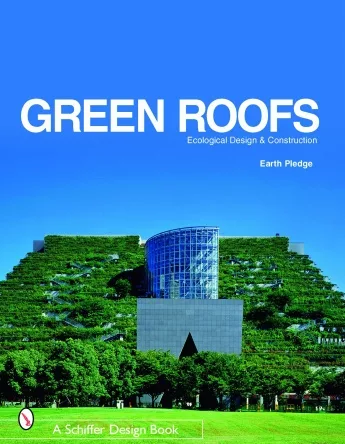
    Green Roofs: Ecological Design and Construction

  • 978-0-7643-3022-3.jpg

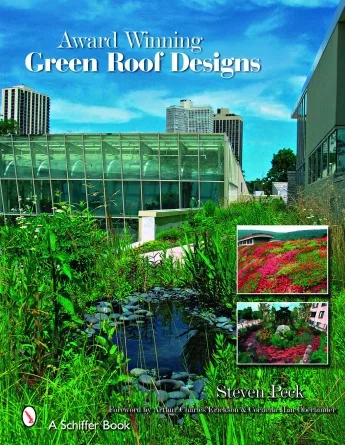
    Award-winning Green Roof Designs: Green Roofs for Healthy Cities

See More Products

Events

View AllSubmit An Event
  • February 24, 2026

    The Secrets to Specifying PVC, PVC KEE and KEE

    Credits: 1 AIA LU/HSW; 0.1 ICC CEU; 1 IIBEC CEH; 0.1 IACET CEUOn-Demand This presentation is designed to cut through the confusion. It will provide clear definitions and performance insights for PVC, PVC KEE, and KEE membranes. Attendees will leave with precise, actionable specification language to ensure the roofing membrane installed on their project delivers the intended, long-term performance.
View AllSubmit An Event
×

Enhance your expertise with unparalleled insights.

Join thousands of building professionals today. Shouldn’t you know what they know?

SUBSCRIBE TODAY!
  • RESOURCES
    • Advertise
    • Contact Us
    • Store
    • Want More
  • SIGN UP TODAY
    • Create Account
    • Newsletter
    • Customer Service
    • Manage Preferences
  • SERVICES
    • Marketing Services
    • Reprints
    • Market Research
    • List Rental
    • Survey/Respondent Access
  • STAY CONNECTED
    • LinkedIn
    • Facebook
    • Instagram
    • YouTube
    • X
  • PRIVACY
    • PRIVACY POLICY
    • TERMS & CONDITIONS
    • DO NOT SELL MY PERSONAL INFORMATION
    • PRIVACY REQUEST
    • ACCESSIBILITY

Copyright ©2026. All Rights Reserved BNP Media, Inc. and BNP Media II, LLC.

Design, CMS, Hosting & Web Development :: ePublishing