Building Enclosure logo
search
cart
facebook twitter linkedin youtube instagram Spotify Podcasts Apple Podcasts Spotify Podcasts Apple Podcasts
  • Sign In
  • Create Account
  • Sign Out
  • My Account
Building Enclosure logo
  • NEWS
    • Breaking News
  • SECTIONS
    • Columns
    • Project Profiles
    • Trade Shows
    • Sponsor Insights
  • SYSTEM DESIGNS
    • Low-Slope Roofs
    • Pitched Roofs
    • Metal Roofing Materials
    • Waterproofing
    • Sustainability
    • Insulation
    • Exterior Claddings
    • Wall Systems
    • Building Envelope
  • BLOG
    • The BE Blog
  • MEDIA
    • Podcasts
    • Webinars
    • Quiz
    • Videos
    • Polls
    • Interactive Spotlights
    • Newsletter
    • Photo Galleries
  • DIRECTORIES
    • Directory: Blue Book
    • Directory: Roofing Resource
  • PRODUCTS
  • TECHNICAL
    • Codes
      • Waterproofing
      • Roofing
    • Details
      • Waterproofing
      • Roofing
  • CONTINUING ED
  • ABOUT
    • Advertise
      • Editorial Calendar
    • Contact
    • eMag Archive Issues
  • SIGN UP!
Building EnvelopeExterior CladdingsWaterproofing

School Buildings and Enclosure System Selection
By Paul Brown
4-14-17
April 14, 2017

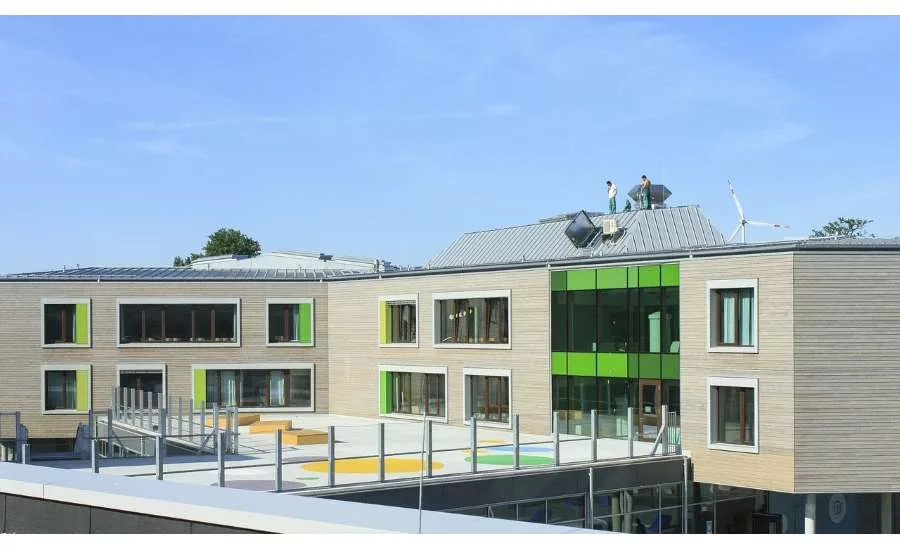
School building construction comes with its own set of obstacles as these buildings tend to experience high traffic, a lot of wear and tear, and must provide a comfortable working environment for long periods of time. Selecting an enclosure system is not a step to be taken lightly but advances in construction materials have simplified the process.
 
There are three major considerations when it comes to a high-performance enclosure system required by a school:

  • Air Quality - Improved air circulation is necessary for better air quality and a reduction in air contaminants. Schools tend to be fairly close quarters when considering the average number of students per room compared to average room size.
  • Temperature Control - Proper building insulation is important for two reasons. Firstly, it reduces heating and cooling costs by improving R-value. Secondly, better wall insulation means easier and more consistent temperature control. Feeling too cold or too warm only serves as a distraction, negatively affecting students and staff.
  • Sound Reduction - Controlling sound is important for any building, but even more so for schools. Schools tend to be centrally located in cities and are subject to a lot of external noise pollution. Better sound reduction within a school means a quiet, more productive learning environment for students and staff.

An option for school buildings is a systematic replacement of weak walls in place of newer wall systems, such as those that use insulated concrete blocks. Building standards from just 40 years ago have drastically changed compared to today's standards and these new wall systems are worth every penny when comparing exterior wall choices for an enclosed system.

Building Envelopes and Moisture Management

Building envelope has a huge impact on all three factors above. The building envelope encompasses the walls, flooring, roof, windows and essentially any portion of the building which separates inside from outside.

The structure of the envelope will either positively or negatively affect the building's ability to maintain air circulation, balanced temperatures, reduction in outside sound or sound from other classrooms, and more. Air circulation to promote air quality is particularly important in classroom settings, particularly K-12 schools. The goal of a school should be to provide a safe learning environment for its students, and maintaining a comfortable environment inside will promote concentration by reducing distractions and help fight against illness-related absences.

One example of the importance of building envelope in relation to student absence involves asthma. Asthma is present in about 10 percent of the country's population but even more so in children. Poor air quality results to dampness and mildew, which can easily be spread into the air through ducts or the HVAC system. Dampness alone is bad for people just as much as it is detrimental to the building. Improper building envelope that doesn't address moisture management will only lead to eventual structural damage of the building. It could be argued that moisture management is one of the largest factors to keep in mind during the construction of new buildings.

Construction Options for School Buildings
There are many factors in place when constructing or renovating a school building, but the first step is to carefully consider the choice of walls. When it comes to wall construction there are typically three types of enclosure systems:

  • Lightweight Building Assemblies
  • Mass Wall Assemblies
  • Composite Wall Assemblies

LBAs and MWAs perform well under some circumstances but have been surpassed by composite wall assemblies due to advances in insulated concrete wall construction. Wall systems that are built with insulated concrete blocks have better insulation, reduced noise, and overall increased energy performance. Despite offering so many more benefits over the other two wall systems, composite wall assemblies are actually less complex and faster to install.

Another great thing about school buildings constructed with insulated concrete block wall systems is that the wall itself isn't really affected by the performance of exterior finishing materials. A common issue with other wall systems is the complexity, which opens up the possibility for errors. Composite wall assemblies will stand and perform just as you'd expect regardless if you’re installing wood siding or whatever exterior finishing you put on them.

An obstacle for many schools is that the building is in essence structurally sound but they are still struggling with moisture management. This is particularly true of schools in regions that experience 20 inches or more of rain annually. Exterior cladding and/or the installation of a rainscreen is highly recommended and can significantly improve the moisture resistance of the building envelope.

Exterior cladding is a practice that involves applying a new material over an existing layer, i.e. cladding over an exterior wall, in order to control the environment within the building. Typically this is done for weather protection and is often applied when the existing material isn't performing well enough on it's own. Buildings suffering from a lack of insulation against wind, heat or cold or issues with waterproofness but otherwise are structurally sound are good choices for exterior cladding.

Rainscreen is actually placed in the gap between exterior cladding or siding and the exterior wall. It allows for better drainage of water while still protecting the wall. Rainscreen will also improve overall ventilation. Depending upon the individual building and region, the application of rainscreen and new exterior cladding over may be the best choice.

Controlling the inside environment of a school building is first done by addressing the building envelope and improving it structurally. Before investing in expensive HVAC or air circulation systems, consider the physical structure of the school and what can be done. Not only will this nip moisture control and other problems in the bud but also help create a more energy-efficient building, thereby saving maintenance costs in the long run.

KEYWORDS: acoustics building envelope IAQ (indoor air quality) waterproofing system

Share This Story

Looking for a reprint of this article?
From high-res PDFs to custom plaques, order your copy today!


Paul Brown received his Bachelor of Arts from the Plan II Honors Program at The University of Texas at Austin and his MBA from The Fuqua School of Business at Duke University, and received his LEED Green Associate credentials from the U.S. Green Building Council. He now leads the team at Bautex Systems overseeing operations and strategic growth.

Recommended Content

JOIN TODAY
to unlock your recommendations.

Already have an account? Sign In

  • bar graph shows LEED v4/LEED v5/LEED v6 in various colors

    When Will LEED v4 / v4.1 and LEED v5 Expire?

    The latest version of the LEED rating system, LEED v5, is...
    Sustainability
    By: Daniel Overbey
  • Celebrating Women In AEC-2026

    Celebrating Women in The AEC Industry Part 1

    A round-up of women in the design, engineering and...
    Sustainability
    By: Lindsay Lewis
  • KEE membrane application on a roof

    A Beginner’s Guide to Single-Ply Roofing Membranes

    While PVC and TPO appear extremely similar, the chemistry...
    Low-Slope Roofs
    By: Peter Gross
Manage My Account
  • Sign up for the Newsletter
  • Online Registration
  • Manage My Preferences
  • Registration Customer Service

More Videos

Sponsored Content

Sponsored Content is a special paid section where industry companies provide high quality, objective, non-commercial content around topics of interest to the Building Enclosure audience. All Sponsored Content is supplied by the advertising company and any opinions expressed in this article are those of the author and not necessarily reflect the views of Building Enclosure or its parent company, BNP Media. Interested in participating in our Sponsored Content section? Contact your local rep!

close
  • 2 construction workers and a DEXcell panel
    Sponsored byDEXcell Roof Boards

    Designing Low-Slope Roofs for Resilience

  • Bell Bank headquarters in Fargo, North Dakota
    Sponsored bySto Corp.

    Drained and Back-Ventilated Rainscreens vs Pressurized-Equalized Rainscreens

  • A construction worker using DEXcell roof boards
    Sponsored byDEXcell Roof Boards

    The Hidden Strength of Low-Slope Roof Systems: Why Roof Cover Boards Matter

Popular Stories

construction industry workers in hard hats stand around a city scape

Construction Industry Revolts Over New CSI Licensing Plan

a man wearing a mask installs insulation into a wall system

Quiet Rooms and Healthier Air: A Second Look at What Goes Inside the Wall Cavity

Canalino Elementary School and Canalino Family School exterior

Daylighting Design to Support Rapidly Growing Trend in Modular Building Construction

Building Enclosure Newsletter

BE Poll

Events

June 17, 2025

Addressing Condensation in Low-Slope Roof Assemblies

Credits: 1 AIA LU/HSW; 0.1 ICC CEU; 1 IIBEC CEH; 0.1 IACET CEU

On Demand In modern roofing systems, vapor retarders and air barriers do more than just minimize air leakage—they’re essential to maximizing performance and longevity. This engaging course dives into the next generation of moisture control: permeable vapor retarders and air barriers. Discover how these cutting-edge technologies are transforming low-slope roofing assemblies by improving energy efficiency, managing moisture, and boosting wind uplift resistance.

April 9, 2026

Strategies for High-Performance Below-Grade Waterproofing

Credits: 1 AIA LU/HSW ; 1 IIBEC CEH; 0.1 IACET CEU

On-Demand Designing a high-performance building enclosure requires more than just surface-level protection; it demands a rigorous, performance-based mastery of below-grade water and gas mitigation. This discussion will provide an expert-level analysis of below-grade waterproofing within the comprehensive framework of the high-performance building enclosure.

View All Submit An Event

Products

Plaster and Drywall Assemblies Manual

Plaster and Drywall Assemblies Manual

This is a comprehensive manual that goes beyond codes and standards, providing expert guidance in design, detailing, material selection and troubleshooting for plaster and drywall.

See More Products

Related Articles

  • Considerations for Roof System Selection

    See More
  • retrofitting

    Strategies for Retrofitting School Buildings for Sustainability

    See More
  • atlas school

    School Adopts Innovative Roof Drainage System

    See More

Related Products

See More Products
  • buildings.jpg

    Mechanical and Electrical Equipment for Buildings, 13th Edition

  • 9780128207918.jpg

    Eco-efficient Materials for Reducing Cooling Needs in Buildings and Construction 1st Edition

  • plaster and drywall

    Plaster and Drywall Assemblies Manual

See More Products
×

Enhance your expertise with unparalleled insights.

Join thousands of building professionals today. Shouldn’t you know what they know?

SUBSCRIBE TODAY!
  • RESOURCES
    • Advertise
    • Contact Us
    • Store
    • Want More
  • SIGN UP TODAY
    • Create Account
    • Newsletter
    • Customer Service
    • Manage Preferences
  • SERVICES
    • Marketing Services
    • Reprints
    • Market Research
    • List Rental
    • Survey/Respondent Access
  • STAY CONNECTED
    • LinkedIn
    • Facebook
    • Instagram
    • YouTube
    • X
  • PRIVACY
    • PRIVACY POLICY
    • TERMS & CONDITIONS
    • DO NOT SELL MY PERSONAL INFORMATION
    • PRIVACY REQUEST
    • ACCESSIBILITY

Copyright ©2026. All Rights Reserved BNP Media, Inc. and BNP Media II, LLC.

Design, CMS, Hosting & Web Development :: ePublishing