Building Enclosure logo
search
cart
facebook twitter linkedin youtube instagram Spotify Podcasts Apple Podcasts Spotify Podcasts Apple Podcasts
  • Sign In
  • Create Account
  • Sign Out
  • My Account
Building Enclosure logo
  • NEWS
    • Breaking News
  • SECTIONS
    • Columns
    • Project Profiles
    • Trade Shows
    • Sponsor Insights
  • SYSTEM DESIGNS
    • Low-Slope Roofs
    • Pitched Roofs
    • Metal Roofing Materials
    • Waterproofing
    • Sustainability
    • Insulation
    • Exterior Claddings
    • Wall Systems
    • Building Envelope
  • BLOG
    • The BE Blog
  • MEDIA
    • Podcasts
    • Webinars
    • Quiz
    • Videos
    • Polls
    • Interactive Spotlights
    • Newsletter
    • Photo Galleries
  • DIRECTORIES
    • Directory: Blue Book
    • Directory: Roofing Resource
  • PRODUCTS
  • TECHNICAL
    • Codes
      • Waterproofing
      • Roofing
    • Details
      • Waterproofing
      • Roofing
  • CONTINUING ED
  • ABOUT
    • Advertise
      • Editorial Calendar
    • Contact
    • eMag Archive Issues
  • SIGN UP!
Project Profiles

High-Performance High

By Dr. Demba Ndiaye, Raj Setty
January 16, 2014

During August 2013, the country’s first predominantly African-American public high school reopened its doors as the new Laurence T. Dunbar High School. Originally founded in 1870 in Washington, D.C., the old school underwent a $122 million complete re-engineer and redesign creating a 276,536-square-foot high performance building earning a LEED for Schools Platinum certification. Dunbar’s new design features geothermal heating, photovoltaic (PV) panels, rainwater harvesting, and on-demand advanced lighting and ventilation controls. These efficiencies gained through engineering design have the potential to offer remarkable energy conservation results, considerable savings and inspiration by example.

Digging Deep
An integral piece of the design for Dunbar is the geothermal system. Geothermal systems have emerged to benefit longer lifespans for component parts; approximately 25 years for heat pumps and 50 plus years for ground loops. Compared to conventional HVAC systems, geothermal systems require minimal maintenance and have very low operating costs. Dunbar’s new geothermal system has a rated capacity between 850 to 1000 tons; the largest in Washington, D.C. The design of the vertical bore field is slated to rise less than 10 degrees over the next 30 years, and has been balanced to optimize thermal storage between the seasons.

The design includes 362 wells located 460 feet below the athletic field and is connected to multiple water-to-water heat pump and water-to-air heat pumps throughout the building. By using dedicated classroom based heat pumps, each heat pump will meet the specific needs of the space it conditions, optimizing energy efficiency and giving teachers control over their own learning environments. Importantly, when the classrooms go unoccupied or are partially occupied, the systems have a robust turndown capability, saving more energy and lowering the financial costs to the school. Furthermore, the ground source condenser loop is also connected to refrigeration equipment in the kitchen which has eliminated all air condensers and allows for the ability to re-capture the heat from these units and re-deploy it to other areas of the building.

Dunbar’s geothermal system will also provide radiant flooring in many of the school’s largest common areas. Heating this way means that no fans or air ducts are required and it provides a more constant ambient temperature. When compared to the average energy expenditures of other Washington, D.C. schools, the geothermal system and radiant heating will save D.C. Public Schools up to $300,000 annually.

Bright Ideas
A second key feature of the design was to take advantage of the approximately 200 sunny days Washington, D.C. has each year. Dunbar has three types of PV panels installed on its roof: trellis mounted, roof ballasted and thin film. It is estimated that the solar panels will produce about 480 kW of energy. As a point of comparison, lighting one classroom requires 1kw for one hour. The PV panels are anticipated to offset more than 21 percent of the school’s energy consumption.

Dunbar is also utilizing lighting control systems that allow for increased flexibility in lighting options and provide greater efficiency. Inside, the school has installed Lutron’s Quantum lighting controls that use daylight and occupancy sensors and motorized window shades paired with scheduling, digital ballasts and LED drivers to provide up to 60 percent savings in the school’s lighting usage. On the track and field area, Dunbar is using a lighting system by Hubbell Lighting, which allows the lights to be turned on at 25, 50, 75 or 100 percent intensity depending on the event.

Less Down The Drain
Through careful design the school’s water usage has been reduced by about 50 percent by instituting rainwater collection and installing more efficient water fixtures. There are two 20,000 gallon cisterns adjacent to the school that store rainwater harvested from the roof. All process loads and pool backwash water is reused in the water harvesting systems. The water is filtered and used for flushing the low-flow urinals and high-efficiency toilets. The school also features low-flow lavatories and ultra low-flow showers. As a result, it is anticipated that Dunbar will conserve approximately 1.4 million gallons of water per year compared to a typical large high school.

Inspiration by Example
Finally, Dunbar features a science, technology, engineering and mathematics (STEM) program that encourages and inspires students, especially those from disadvantaged backgrounds, to acquire the skills necessary to enter into positions leading to exceptional career paths. The new school also includes a living classroom, where students will be able to observe and learn first-hand about the features of high performance buildings and the importance of sustainable building design.
 

KEYWORDS: academic building energy efficiency green building LEED sustainable design

Share This Story

Looking for a reprint of this article?
From high-res PDFs to custom plaques, order your copy today!


Dr. Demba Ndiaye has research and teaching experience at the university level in the field of Energy and Environment. He is committed to enhancing building design and operation through energy modeling. Dr. Ndiaye has extensive modeling experience with the eQUEST/DOE-2 energy simulation program and others, including TRNSYS and Advanced DOE-2 Modeling. He successfully realized the modeling of many buildings going for LEED certification and has also worked on many retro-commissioning projects for federal buildings.
Raj Setty is President of Setty and Associates, Ltd, a full service mechanical, electrical, and plumbing consulting engineering firm located in Washington, D.C. and specializing in institutional projects, energy modeling, commissioning, and high-performance buildings.

Recommended Content

JOIN TODAY
to unlock your recommendations.

Already have an account? Sign In

  • bar graph shows LEED v4/LEED v5/LEED v6 in various colors

    When Will LEED v4 / v4.1 and LEED v5 Expire?

    The latest version of the LEED rating system, LEED v5, is...
    Sustainability
    By: Daniel Overbey
  • Celebrating Women In AEC-2026

    Celebrating Women in The AEC Industry Part 1

    A round-up of women in the design, engineering and...
    Sustainability
    By: Lindsay Lewis
  • KEE membrane application on a roof

    A Beginner’s Guide to Single-Ply Roofing Membranes

    While PVC and TPO appear extremely similar, the chemistry...
    Low-Slope Roofs
    By: Peter Gross
Manage My Account
  • Sign up for the Newsletter
  • Online Registration
  • Manage My Preferences
  • Registration Customer Service

More Videos

Sponsored Content

Sponsored Content is a special paid section where industry companies provide high quality, objective, non-commercial content around topics of interest to the Building Enclosure audience. All Sponsored Content is supplied by the advertising company and any opinions expressed in this article are those of the author and not necessarily reflect the views of Building Enclosure or its parent company, BNP Media. Interested in participating in our Sponsored Content section? Contact your local rep!

close
  • 2 construction workers and a DEXcell panel
    Sponsored byDEXcell Roof Boards

    Designing Low-Slope Roofs for Resilience

  • Bell Bank headquarters in Fargo, North Dakota
    Sponsored bySto Corp.

    Drained and Back-Ventilated Rainscreens vs Pressurized-Equalized Rainscreens

  • A construction worker using DEXcell roof boards
    Sponsored byDEXcell Roof Boards

    The Hidden Strength of Low-Slope Roof Systems: Why Roof Cover Boards Matter

Popular Stories

a man wearing a mask installs insulation into a wall system

Quiet Rooms and Healthier Air: A Second Look at What Goes Inside the Wall Cavity

Canalino Elementary School and Canalino Family School exterior

Daylighting Design to Support Rapidly Growing Trend in Modular Building Construction

construction workers on a roof, plane flies in background

Why Specifications Are Becoming the Next Critical Layer of Construction Compliance

Building Enclosure Newsletter

BE Poll

Events

June 17, 2025

Addressing Condensation in Low-Slope Roof Assemblies

Credits: 1 AIA LU/HSW; 0.1 ICC CEU; 1 IIBEC CEH; 0.1 IACET CEU

On Demand In modern roofing systems, vapor retarders and air barriers do more than just minimize air leakage—they’re essential to maximizing performance and longevity. This engaging course dives into the next generation of moisture control: permeable vapor retarders and air barriers. Discover how these cutting-edge technologies are transforming low-slope roofing assemblies by improving energy efficiency, managing moisture, and boosting wind uplift resistance.

April 9, 2026

Strategies for High-Performance Below-Grade Waterproofing

Credits: 1 AIA LU/HSW ; 1 IIBEC CEH; 0.1 IACET CEU

On-Demand Designing a high-performance building enclosure requires more than just surface-level protection; it demands a rigorous, performance-based mastery of below-grade water and gas mitigation. This discussion will provide an expert-level analysis of below-grade waterproofing within the comprehensive framework of the high-performance building enclosure.

View All Submit An Event

Products

Plaster and Drywall Assemblies Manual

Plaster and Drywall Assemblies Manual

This is a comprehensive manual that goes beyond codes and standards, providing expert guidance in design, detailing, material selection and troubleshooting for plaster and drywall.

See More Products

Related Articles

  • vit_utsa_1.jpg

    High-Performance Glass Lends High-Tech Look to Cyber Security Center

    See More
  • Tubelite(2).png

    Ferris State University’s Showcases High-Performance Curtainwall for High-Tech Building

    See More
  • High-Wind Resistance

    Simpson Strong-Tie Launches High-Wind Construction Resource Center

    See More

Related Products

See More Products
  • 1118458605.jpg

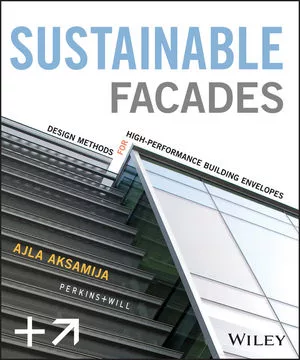
    Sustainable Facades: Design Methods for High-Performance Building Envelopes

  • studentguidebook.jpg

    Integrating Building Performance with Design: An Architecture Student’s Guidebook

  • ecology.jpg

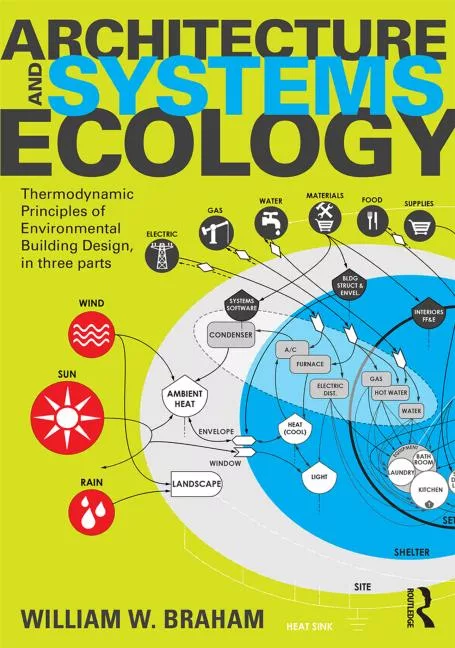
    Architecture and Systems Ecology: Thermodynamic Principles of Environmental Building Design, in three parts

See More Products

Events

View AllSubmit An Event
  • April 9, 2026

    Strategies for High-Performance Below-Grade Waterproofing

    Credits: 1 AIA LU/HSW ; 1 IIBEC CEH; 0.1 IACET CEUOn-Demand Designing a high-performance building enclosure requires more than just surface-level protection; it demands a rigorous, performance-based mastery of below-grade water and gas mitigation. This discussion will provide an expert-level analysis of below-grade waterproofing within the comprehensive framework of the high-performance building enclosure.
View AllSubmit An Event
×

Enhance your expertise with unparalleled insights.

Join thousands of building professionals today. Shouldn’t you know what they know?

SUBSCRIBE TODAY!
  • RESOURCES
    • Advertise
    • Contact Us
    • Store
    • Want More
  • SIGN UP TODAY
    • Create Account
    • Newsletter
    • Customer Service
    • Manage Preferences
  • SERVICES
    • Marketing Services
    • Reprints
    • Market Research
    • List Rental
    • Survey/Respondent Access
  • STAY CONNECTED
    • LinkedIn
    • Facebook
    • Instagram
    • YouTube
    • X
  • PRIVACY
    • PRIVACY POLICY
    • TERMS & CONDITIONS
    • DO NOT SELL MY PERSONAL INFORMATION
    • PRIVACY REQUEST
    • ACCESSIBILITY

Copyright ©2026. All Rights Reserved BNP Media, Inc. and BNP Media II, LLC.

Design, CMS, Hosting & Web Development :: ePublishing