Establishing Roof Management Program Objectives
The downturn in the economy has created
opportunities for roofing contractors with building owners that are intent on
saving costs by maintaining - rather than replacing - their roof systems. Roof
maintenance program can be lucrative if the contractor properly conducts the
program.
The downturn in the economy has created opportunities for roofing contractors with building owners that are intent on saving costs by maintaining - rather than replacing - their roof systems. Roof maintenance program can be lucrative if the contractor properly conducts the program. One of the keys to success is proper program preparation. The elements of the program must be clearly defined during the initial establishment phase. Once these elements are in place the contractor can successfully implement the program.
A properly implemented roof management and maintenance program effectively extends the service life of a roof system and can eliminate some of the complexities associated with this building component.
A properly initiated roof management program is a systematic and routine process of preventive inspections and accurate repairs of existing roof systems to ensure that the system reaches its full service life. Preventive maintenance activities are generated through the proper completion of the established repair work and scheduled inspections to make sure the roof is performing properly and clear of debris. Preventive maintenance may also be initiated by minor or repetitive roof failures, such as leaks. Repeated leaks typically signal the need for a building owner’s capital outlay for roof repairs or roof replacement.
Once the need for preventative maintenance is identified, a proper management program is required to manage the accounting, budgeting and scheduling of the inspections and required repairs. The roof management program generates the necessary information to track and record results as the preventative maintenance work is accomplished.
• Record keeping: Drawings and specifications of new roof construction, as well as, any repair and maintenance work done at various periods, should be available, along with photos of completed work.
• Inspection: An effective preventive maintenance program should include regular inspections of the roof system.
• Design, materials, and methods of application: The staff responsible for preventive maintenance should understand and be skilled in the design of maintenance work and selection of maintenance materials and their application.
• Budgeting: Adequate preventive maintenance work cannot be performed if the budget is inadequate. The dollars spent on maintenance of a roof system are a wise investment. Through proper roof management, premature roof failures can be eliminated.
The roof management program must define the process of work that is required on the roof system. This process can be organized in terms of specific objectives to be achieved. One of the fundamental goals of the roof management program is to have all of the required information fully documented. The information is necessary to establish an historical background of the roof system. Other objectives of the roof management program include defining the scope of the program, costs, management procedures and the roof maintenance work.
Once the initial analysis has been completed, the first task is defining the process and scope of work to be performed on the roof systems. An effective program will outline the areas to be maintained in order of importance. This is an essential stage for multi-facility owners. Typically, the most critical areas are completed in the initial phases of the program. The roof areas should be categorized and prioritized in the order that repair work should be accomplished. To develop this list, divide the roof areas into three categories determined by the initial investigation:
1. Problem roofs: roofs that are leaking and causing difficulties.
2. Suspect roofs: roofs that are believed to have, will soon develop, or have had problems.
3. Acceptable roofs: roofs that are not having problems and problems are not foreseen.
Problem roofs should be attended to first, followed by suspect roofs and acceptable roofs. Problem roofs are addressed initially because these are areas prone to sustaining extensive and costly damage and they could result is shutting down operations due to roof failures. Because of the increased consequential damages, these areas warrant a higher level of scrutiny and investment. Consequential damages are never covered in roof manufacturer’s warranties; the owner assumes these risks. Consider the importance of the roof system sheltering key production equipment, warehoused inventory, the computer facility, or the president’s office. Consider the costs and/or problems associated with shutting down these areas due to roof problems and remedial roof construction.
The high priority areas should be identified and highlighted on roof plans. The areas of lower priority should also be identified. After identifying these areas, start gathering all of the available information regarding the existing roof systems.
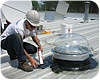
Preventive maintenance should include scheduled
inspections to make sure the roof is performing properly and is leak free. Photo courtesy of Tecta America
The downturn in the economy has created opportunities for roofing contractors with building owners that are intent on saving costs by maintaining - rather than replacing - their roof systems. Roof maintenance program can be lucrative if the contractor properly conducts the program. One of the keys to success is proper program preparation. The elements of the program must be clearly defined during the initial establishment phase. Once these elements are in place the contractor can successfully implement the program.
A properly implemented roof management and maintenance program effectively extends the service life of a roof system and can eliminate some of the complexities associated with this building component.
A properly initiated roof management program is a systematic and routine process of preventive inspections and accurate repairs of existing roof systems to ensure that the system reaches its full service life. Preventive maintenance activities are generated through the proper completion of the established repair work and scheduled inspections to make sure the roof is performing properly and clear of debris. Preventive maintenance may also be initiated by minor or repetitive roof failures, such as leaks. Repeated leaks typically signal the need for a building owner’s capital outlay for roof repairs or roof replacement.
Once the need for preventative maintenance is identified, a proper management program is required to manage the accounting, budgeting and scheduling of the inspections and required repairs. The roof management program generates the necessary information to track and record results as the preventative maintenance work is accomplished.
Elements of a Successful Program
A roof management program should include:• Record keeping: Drawings and specifications of new roof construction, as well as, any repair and maintenance work done at various periods, should be available, along with photos of completed work.
• Inspection: An effective preventive maintenance program should include regular inspections of the roof system.
• Design, materials, and methods of application: The staff responsible for preventive maintenance should understand and be skilled in the design of maintenance work and selection of maintenance materials and their application.
• Budgeting: Adequate preventive maintenance work cannot be performed if the budget is inadequate. The dollars spent on maintenance of a roof system are a wise investment. Through proper roof management, premature roof failures can be eliminated.
The roof management program must define the process of work that is required on the roof system. This process can be organized in terms of specific objectives to be achieved. One of the fundamental goals of the roof management program is to have all of the required information fully documented. The information is necessary to establish an historical background of the roof system. Other objectives of the roof management program include defining the scope of the program, costs, management procedures and the roof maintenance work.
Getting Started
The initial step in developing a roof management program is to determine what and how much must be managed. The manpower required to establish this inventory is considerable at first; however, much of the effort is for one-time tasks, and once this is established, only updating of the information is required in the remaining years of the program. The initial analysis defines the scope of repair work required to update roof systems to maintainable condition.Once the initial analysis has been completed, the first task is defining the process and scope of work to be performed on the roof systems. An effective program will outline the areas to be maintained in order of importance. This is an essential stage for multi-facility owners. Typically, the most critical areas are completed in the initial phases of the program. The roof areas should be categorized and prioritized in the order that repair work should be accomplished. To develop this list, divide the roof areas into three categories determined by the initial investigation:
1. Problem roofs: roofs that are leaking and causing difficulties.
2. Suspect roofs: roofs that are believed to have, will soon develop, or have had problems.
3. Acceptable roofs: roofs that are not having problems and problems are not foreseen.
Problem roofs should be attended to first, followed by suspect roofs and acceptable roofs. Problem roofs are addressed initially because these are areas prone to sustaining extensive and costly damage and they could result is shutting down operations due to roof failures. Because of the increased consequential damages, these areas warrant a higher level of scrutiny and investment. Consequential damages are never covered in roof manufacturer’s warranties; the owner assumes these risks. Consider the importance of the roof system sheltering key production equipment, warehoused inventory, the computer facility, or the president’s office. Consider the costs and/or problems associated with shutting down these areas due to roof problems and remedial roof construction.
The high priority areas should be identified and highlighted on roof plans. The areas of lower priority should also be identified. After identifying these areas, start gathering all of the available information regarding the existing roof systems.
Looking for a reprint of this article?
From high-res PDFs to custom plaques, order your copy today!
.webp?height=740&t=1767036885&width=auto "Header - BE 1170x658 (002).png")

.webp?height=740&t=1755781744&width=auto "KEE(2).png")