Residential Roofs Can Be Cool, Too
Rod Menzel takes pride in keeping GreatWay Roofing of Moorpark, Calif. on the cutting edge of performing “green” work that coincides with continuous up-to-date changes in Title 24.
Rod Menzel takes pride in keeping GreatWay Roofing of Moorpark, Calif. on the cutting edge of performing “green” work that coincides with continuous up-to-date changes in Title 24.
GreatWay Roofing’s latest project defines what Menzel has accomplished as president of the company: a customer recycling an old tile roof and installing new Title 24 compliant tile roof.
“The client originally made a call to fix a leaky tile and flat roof,” Menzel explained. “The discussion went from solving the problems of the leaky roof to a Title 24 cool roof on the low-slope section to eventually disposing of the existing tile and installing a new Title 24 compliant clay tile roof.”
Menzel, however, needed to be on top of the Title 24 compliant game to successfully complete the project under strict guidelines.
“If you install a roof that weighs over five pounds per square foot (psf), then it must meet Title 24 guidelines,” Menzel said. “This can be accomplished through adding insulation, installing the roof over a batten system, or installing a Title 24 cool roof.”
When Menzel’s customers saw the rustic colors of the US Tile roof, they were sold on getting the work done.
Menzel installed a product weighing in at more than five pounds per square foot, which resulted in a laundry list of things to do on the project.
“This roof had 12 gallons of emulsion per square, two ply of polyester fabric, and three gallons of an acrylic coating per square, all going over the existing roof system,” Menzel explained. “Because the client was very concerned about ponding water, we also built crickets and removed the 4-inch parapet in the back of the house.”
In light of this project, Menzel believes the economy has forced the roofing industry to change. “Typically, I would install this on larger commercial jobs,” he said.
But Menzel stands by the decisions his company made with respect to installing the fluid-applied acrylic system even though it was for a residential client.
“I was concerned with the added cost of setup and breakdown,” he said. “Since we were doing a pitched roof and a flat roof, we managed to get this whole thing done without any additional cost of setup.”
According to the Western Colloid website, Fluid Applied Reinforced Roofing is a membrane that is installed in place using highly durable, water based, waterproofing compounds reinforced with tough polyester fabrics and surfaced with energy saving reflective coatings. Once installed, the seamless monolithic system is tough, flexible and resistant to the extremes of nature.
The system can be used in remedial applications or in new construction. Western Colloid uses Underwriters Laboratories (U.L.), Factory Mutual (FM Global) and independent testing labs to continually test systems and products to be sure they meet the stringent requirements of today’s building industry.
Enter the installation of Bristolite, which has a diverse capabilities and a custom product line. According to its website, Bristolite has products from non-standard residential to monumental daylighting systems. “They liked the idea of adding light naturally and were quite impressed with the Solar Attic Fan as well,” Menzel said.
Menzel noted that when the project was wrapped up, the customers were impressed with how much cooler their home was and were glad they took advantage of the additional green solutions during the project. “They figured if they don’t do it now, it will likely not get done.”
“Plan for extra time and legwork and provide different options,” Menzel recommended. “Your roof doesn’t have to be white to be Title 24 compliant. There are plenty of high curb appeal colors to select from.”
Menzel said he remembers when Title 24 requirements for roofing were only for low-slope commercial clients.
“This caught us off guard,” he said. “There are many different ways to be compliant.”
Menzel said a learning curve should be expected. “In the long run, it generated business for us - it’s now required,” he said. “Cities know about it. Cities are checking up on it. Once the customer decided he wanted to install a new tile roof, he was required to be Title 24 compliant because regardless of which zone he lived in; the product exceeded 5 pounds per square foot.”
Structures will be required to use products that meet reflectance, emissivity and Solar Reflectance Index (SRI) values as set by the new standards, Menzel said.
For example, Menzel said US Tile makes compliance with then new Title 24 requirements easy. “All US Tile products and colors are Title 24 compliant,” he said.
The California Energy Commission (CEC) was initially developed in 1974 and signed by the legislature during Gov. Ronald Reagan’s tenure, which created the CEC. California started funding the CEC in 1975.
Menzel said the CEC staff and various committees write Triennial Standards Updates with its utility partners; updates are then presented to the public for feedback.
According to Menzel, the CEC is overhauling its Non-Residential Compliance Manual, (939 pages) and Residential Compliance Manual (521 pages).
Building standards are enforced by local building officials. “Enforcement may involve third party verifications by a HERS Rater for particular measures such as duct sealing and TXVs,” he said.
Buildings must comply with mandatory measures and with either the prescriptive or performance compliance approaches, which Menzel described as “essentially an energy budget for each building referenced to one of 16 specific climate zones.”
Menzel expects to stay busy keeping up with changing guidelines in the next few years. He noted the West Coast Governor’s Global Warming Initiative includes a 15 percent efficiency savings through state building codes by 2015, and the Green Building Initiative plans a 20 percent increase in non-residential standards by 2015.
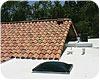
This acrylic coated residential roof includes a solar powered attic fan by US Sunlight Corp., a new skylight by Bristolite, and a Title 24 Compliant US Tile roof.
Rod Menzel takes pride in keeping GreatWay Roofing of Moorpark, Calif. on the cutting edge of performing “green” work that coincides with continuous up-to-date changes in Title 24.
GreatWay Roofing’s latest project defines what Menzel has accomplished as president of the company: a customer recycling an old tile roof and installing new Title 24 compliant tile roof.
“The client originally made a call to fix a leaky tile and flat roof,” Menzel explained. “The discussion went from solving the problems of the leaky roof to a Title 24 cool roof on the low-slope section to eventually disposing of the existing tile and installing a new Title 24 compliant clay tile roof.”
Menzel, however, needed to be on top of the Title 24 compliant game to successfully complete the project under strict guidelines.
“If you install a roof that weighs over five pounds per square foot (psf), then it must meet Title 24 guidelines,” Menzel said. “This can be accomplished through adding insulation, installing the roof over a batten system, or installing a Title 24 cool roof.”
When Menzel’s customers saw the rustic colors of the US Tile roof, they were sold on getting the work done.
Menzel installed a product weighing in at more than five pounds per square foot, which resulted in a laundry list of things to do on the project.
Rod Menzel makes sure his company, GreatWay
Roofing of Moorpark, Calif., stays up to date on green technology and changes
to Title 24 and other guidelines. Photos courtesy of GreatWay Roofing
Fluid-Applied Acrylic Roof System
First GreatWay Roofing needed to install a fluid-applied acrylic roof system by Western Colloid on the low-slope section.“This roof had 12 gallons of emulsion per square, two ply of polyester fabric, and three gallons of an acrylic coating per square, all going over the existing roof system,” Menzel explained. “Because the client was very concerned about ponding water, we also built crickets and removed the 4-inch parapet in the back of the house.”
In light of this project, Menzel believes the economy has forced the roofing industry to change. “Typically, I would install this on larger commercial jobs,” he said.
But Menzel stands by the decisions his company made with respect to installing the fluid-applied acrylic system even though it was for a residential client.
“I was concerned with the added cost of setup and breakdown,” he said. “Since we were doing a pitched roof and a flat roof, we managed to get this whole thing done without any additional cost of setup.”
According to the Western Colloid website, Fluid Applied Reinforced Roofing is a membrane that is installed in place using highly durable, water based, waterproofing compounds reinforced with tough polyester fabrics and surfaced with energy saving reflective coatings. Once installed, the seamless monolithic system is tough, flexible and resistant to the extremes of nature.
The system can be used in remedial applications or in new construction. Western Colloid uses Underwriters Laboratories (U.L.), Factory Mutual (FM Global) and independent testing labs to continually test systems and products to be sure they meet the stringent requirements of today’s building industry.
Additional Green Solutions
GreatWay Roofing also had other installations to deal with on its tile roof: three skylights and two Solar Attic Fans. “Our customer had a long-term approach to roofing and was searching for additional ways to be energy efficient,” Menzel said.Enter the installation of Bristolite, which has a diverse capabilities and a custom product line. According to its website, Bristolite has products from non-standard residential to monumental daylighting systems. “They liked the idea of adding light naturally and were quite impressed with the Solar Attic Fan as well,” Menzel said.
Menzel noted that when the project was wrapped up, the customers were impressed with how much cooler their home was and were glad they took advantage of the additional green solutions during the project. “They figured if they don’t do it now, it will likely not get done.”
Tips for Contractors
Menzel said contractors should be familiar with the different ways in which you can be Title 24 compliant.“Plan for extra time and legwork and provide different options,” Menzel recommended. “Your roof doesn’t have to be white to be Title 24 compliant. There are plenty of high curb appeal colors to select from.”
Menzel said he remembers when Title 24 requirements for roofing were only for low-slope commercial clients.
“This caught us off guard,” he said. “There are many different ways to be compliant.”
Menzel said a learning curve should be expected. “In the long run, it generated business for us - it’s now required,” he said. “Cities know about it. Cities are checking up on it. Once the customer decided he wanted to install a new tile roof, he was required to be Title 24 compliant because regardless of which zone he lived in; the product exceeded 5 pounds per square foot.”
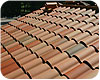
This photo shows a US Clay Tile Custom Blend (70
percent Bermuda and 30 percent El Camino).
Title 24 Requirements
New Title 24 requirements that went into effect on January 1, 2010, have changed the roofing landscape. The requirements call for roofing products to help deal with the ‘Heat Island Effect’ caused by the sun’s energy reflecting off structures and contributing to global warming.Structures will be required to use products that meet reflectance, emissivity and Solar Reflectance Index (SRI) values as set by the new standards, Menzel said.
For example, Menzel said US Tile makes compliance with then new Title 24 requirements easy. “All US Tile products and colors are Title 24 compliant,” he said.
The California Energy Commission (CEC) was initially developed in 1974 and signed by the legislature during Gov. Ronald Reagan’s tenure, which created the CEC. California started funding the CEC in 1975.
Menzel said the CEC staff and various committees write Triennial Standards Updates with its utility partners; updates are then presented to the public for feedback.
According to Menzel, the CEC is overhauling its Non-Residential Compliance Manual, (939 pages) and Residential Compliance Manual (521 pages).
Building standards are enforced by local building officials. “Enforcement may involve third party verifications by a HERS Rater for particular measures such as duct sealing and TXVs,” he said.
Buildings must comply with mandatory measures and with either the prescriptive or performance compliance approaches, which Menzel described as “essentially an energy budget for each building referenced to one of 16 specific climate zones.”
Menzel expects to stay busy keeping up with changing guidelines in the next few years. He noted the West Coast Governor’s Global Warming Initiative includes a 15 percent efficiency savings through state building codes by 2015, and the Green Building Initiative plans a 20 percent increase in non-residential standards by 2015.
Looking for a reprint of this article?
From high-res PDFs to custom plaques, order your copy today!
.webp?height=740&t=1767036885&width=auto "Header - BE 1170x658 (002).png")

.webp?height=740&t=1755781744&width=auto "KEE(2).png")