Building Enclosure logo
search
cart
facebook twitter linkedin youtube instagram Spotify Podcasts Apple Podcasts Spotify Podcasts Apple Podcasts
  • Sign In
  • Create Account
  • Sign Out
  • My Account
Building Enclosure logo
  • NEWS
    • Breaking News
  • SECTIONS
    • Columns
    • Project Profiles
    • Trade Shows
    • Sponsor Insights
  • SYSTEM DESIGNS
    • Low-Slope Roofs
    • Pitched Roofs
    • Metal Roofing Materials
    • Waterproofing
    • Sustainability
    • Insulation
    • Exterior Claddings
    • Wall Systems
    • Building Envelope
  • BLOG
    • The BE Blog
  • MEDIA
    • Podcasts
    • Webinars
    • Quiz
    • Videos
    • Polls
    • Interactive Spotlights
    • Newsletter
    • Photo Galleries
  • DIRECTORIES
    • Directory: Blue Book
    • Directory: Roofing Resource
  • PRODUCTS
  • TECHNICAL
    • Codes
      • Waterproofing
      • Roofing
    • Details
      • Waterproofing
      • Roofing
  • CONTINUING ED
  • ABOUT
    • Advertise
      • Editorial Calendar
    • Contact
    • eMag Archive Issues
  • SIGN UP!
Breaking News

MCA and ZAC Association Research Concludes Metal Roofs Can Last 60 Years or More

December 3, 2014

CHICAGO — The Metal Construction Association (MCA) has released new research findings that conclude that certain metal roof systems can last at least 60 years, meaning they do not require replacement during a commercial building’s service life. To download the full report from MCA’s website, click here.

“This study is a breakthrough for the metal construction industry because it finally provides third-party, scientific data that backs up the long-held stance that 55 percent Al-Zn coated steel standing seam roofing systems are very durable, economic and can be better for the environment,” said Scott Kriner, technical director, Metal Construction Association. Most non-metal roofing systems require one or more full replacements within a typical building’s 60-year service life, which is costly and often adds to the solid waste stream in landfills.

The study, sponsored by MCA and the ZAC Association, was conducted with oversight of three independent consulting firms which analyzed low-slope, unpainted 55 percent Al-Zn coated steel standing seam roofing in a wide range of environments across the United States.

This type of roof material is known by many trade names throughout the world, principally GALVALUME® and Zincalume® in the United States. It is very common on low-rise commercial buildings such as warehouses, schools, distribution centers, shopping centers, exposition halls and other facilities. Experts estimate that the market size for this type of low-slope roofing in the United States is more than 350 million square feet.

The study incorporates the results of multiple field inspections, independent laboratory analyses of metallic corrosion of the roof panels, components and sealants, and includes assessment of all integral ancillary components that impact the end of roof service life.

The research team selected 14 building sites in five climate regions of various geographies in the continental United States, exhibiting a spectrum of climates related to heat and humidity including hot-dry, hot-humid, cold-dry, cold-humid and moderate-acid. The precipitation acidity also varies considerably from one site to the next over this broad geography.

The research study concluded that the expected service life of an unpainted 55 percent Al-Zn coated steel standing seam roof constructed today in a wide range of environments using best practices can be expected to be in excess of 60 years, a value that equals the assumed building service life as described in the USGBC’s Leadership in Energy and Environmental Design building rating program, version 4.

In the study, the steel panel roofs experienced corrosion rates that conservatively project service lives well beyond the service life of most buildings. The range depends on the climate and the local precipitation pH.

The study also confirmed that these types of metal roofs resist corrosion even in “weak” spots, such as sheared edges and panel profile bends. Inspections showed an absence of significant red rust after up to 35 years, indicating exceptional corrosion resistance in areas susceptible to exhibiting the first signs of corrosion.

The study acknowledges that all roof systems require a regular maintenance program (at least annually) to clean off debris and to inspect the condition of the roof in order to achieve the kind of service lives shown in this study. While low-slope steel standing seam roof systems were projected to last up to 60 years, ancillary components (such as fasteners) may need to be replaced during the roof life, but this represents significantly less than 20 percent of a total roof replacement cost.

“We are planning to conduct more studies on different types of metal roofing, and in some cases we expect similar or even better results in terms of roof service life,” said Kriner. “We think these studies will help to motivate building owners and architects to specify metal roofing more often.”

The report was authored by Ron Dutton, Ron Dutton Consulting Services LLC; Rob Haddock, Metal Roof Advisory Group; Chuck Howard, Metal Roof Consultants; and Scott Kriner, Metal Construction Association. The report was also peer reviewed by Morrison Hershfield laboratory in Canada.

To download the full report from MCA’s website, click here.

For more information, visit www.metalconstruction.orgor www.alliedsteelbuildings.com. 12-2-14 News MCA. CKK 12-3
 
MCA and ZAC Association Research Concludes Metal Roofs Can Last 60 Years or More
CHICAGO — The Metal Construction Association (MCA) has released new research findings that conclude that certain metal roof systems can last at least 60 years, meaning they do not require replacement during a commercial building’s service life. To download the full report from MCA’s website, click here.
“This study is a breakthrough for the metal construction industry because it finally provides third-party, scientific data that backs up the long-held stance that 55 percent Al-Zn coated steel standing seam roofing systems are very durable, economic and can be better for the environment,” said Scott Kriner, technical director, Metal Construction Association. Most non-metal roofing systems require one or more full replacements within a typical building’s 60-year service life, which is costly and often adds to the solid waste stream in landfills.
The study, sponsored by MCA and the ZAC Association, was conducted with oversight of three independent consulting firms which analyzed low-slope, unpainted 55 percent Al-Zn coated steel standing seam roofing in a wide range of environments across the United States.
This type of roof material is known by many trade names throughout the world, principally GALVALUME® and Zincalume® in the United States. It is very common on low-rise commercial buildings such as warehouses, schools, distribution centers, shopping centers, exposition halls and other facilities. Experts estimate that the market size for this type of low-slope roofing in the United States is more than 350 million square feet.
The study incorporates the results of multiple field inspections, independent laboratory analyses of metallic corrosion of the roof panels, components and sealants, and includes assessment of all integral ancillary components that impact the end of roof service life.
The research team selected 14 building sites in five climate regions of various geographies in the continental United States, exhibiting a spectrum of climates related to heat and humidity including hot-dry, hot-humid, cold-dry, cold-humid and moderate-acid. The precipitation acidity also varies considerably from one site to the next over this broad geography.
The research study concluded that the expected service life of an unpainted 55 percent Al-Zn coated steel standing seam roof constructed today in a wide range of environments using best practices can be expected to be in excess of 60 years, a value that equals the assumed building service life as described in the USGBC’s Leadership in Energy and Environmental Design building rating program, version 4.
In the study, the steel panel roofs experienced corrosion rates that conservatively project service lives well beyond the service life of most buildings. The range depends on the climate and the local precipitation pH.
The study also confirmed that these types of metal roofs resist corrosion even in “weak” spots, such as sheared edges and panel profile bends. Inspections showed an absence of significant red rust after up to 35 years, indicating exceptional corrosion resistance in areas susceptible to exhibiting the first signs of corrosion.
The study acknowledges that all roof systems require a regular maintenance program (at least annually) to clean off debris and to inspect the condition of the roof in order to achieve the kind of service lives shown in this study. While low-slope steel standing seam roof systems were projected to last up to 60 years, ancillary components (such as fasteners) may need to be replaced during the roof life, but this represents significantly less than 20 percent of a total roof replacement cost.
“We are planning to conduct more studies on different types of metal roofing, and in some cases we expect similar or even better results in terms of roof service life,” said Kriner. “We think these studies will help to motivate building owners and architects to specify metal roofing more often.”
The report was authored by Ron Dutton, Ron Dutton Consulting Services LLC; Rob Haddock, Metal Roof Advisory Group; Chuck Howard, Metal Roof Consultants; and Scott Kriner, Metal Construction Association. The report was also peer reviewed by Morrison Hershfield laboratory in Canada.
To download the full report from MCA’s website, click here.
For more information, visit www.metalconstruction.org or www.alliedsteelbuildings.com. 
 
12-2-14 News MCA. CKK 12-3
 
MCA and ZAC Association Research Concludes Metal Roofs Can Last 60 Years or More
CHICAGO — The Metal Construction Association (MCA) has released new research findings that conclude that certain metal roof systems can last at least 60 years, meaning they do not require replacement during a commercial building’s service life. To download the full report from MCA’s website, click here.
“This study is a breakthrough for the metal construction industry because it finally provides third-party, scientific data that backs up the long-held stance that 55 percent Al-Zn coated steel standing seam roofing systems are very durable, economic and can be better for the environment,” said Scott Kriner, technical director, Metal Construction Association. Most non-metal roofing systems require one or more full replacements within a typical building’s 60-year service life, which is costly and often adds to the solid waste stream in landfills.
The study, sponsored by MCA and the ZAC Association, was conducted with oversight of three independent consulting firms which analyzed low-slope, unpainted 55 percent Al-Zn coated steel standing seam roofing in a wide range of environments across the United States.
This type of roof material is known by many trade names throughout the world, principally GALVALUME® and Zincalume® in the United States. It is very common on low-rise commercial buildings such as warehouses, schools, distribution centers, shopping centers, exposition halls and other facilities. Experts estimate that the market size for this type of low-slope roofing in the United States is more than 350 million square feet.
The study incorporates the results of multiple field inspections, independent laboratory analyses of metallic corrosion of the roof panels, components and sealants, and includes assessment of all integral ancillary components that impact the end of roof service life.
The research team selected 14 building sites in five climate regions of various geographies in the continental United States, exhibiting a spectrum of climates related to heat and humidity including hot-dry, hot-humid, cold-dry, cold-humid and moderate-acid. The precipitation acidity also varies considerably from one site to the next over this broad geography.
The research study concluded that the expected service life of an unpainted 55 percent Al-Zn coated steel standing seam roof constructed today in a wide range of environments using best practices can be expected to be in excess of 60 years, a value that equals the assumed building service life as described in the USGBC’s Leadership in Energy and Environmental Design building rating program, version 4.
In the study, the steel panel roofs experienced corrosion rates that conservatively project service lives well beyond the service life of most buildings. The range depends on the climate and the local precipitation pH.
The study also confirmed that these types of metal roofs resist corrosion even in “weak” spots, such as sheared edges and panel profile bends. Inspections showed an absence of significant red rust after up to 35 years, indicating exceptional corrosion resistance in areas susceptible to exhibiting the first signs of corrosion.
The study acknowledges that all roof systems require a regular maintenance program (at least annually) to clean off debris and to inspect the condition of the roof in order to achieve the kind of service lives shown in this study. While low-slope steel standing seam roof systems were projected to last up to 60 years, ancillary components (such as fasteners) may need to be replaced during the roof life, but this represents significantly less than 20 percent of a total roof replacement cost.
“We are planning to conduct more studies on different types of metal roofing, and in some cases we expect similar or even better results in terms of roof service life,” said Kriner. “We think these studies will help to motivate building owners and architects to specify metal roofing more often.”
The report was authored by Ron Dutton, Ron Dutton Consulting Services LLC; Rob Haddock, Metal Roof Advisory Group; Chuck Howard, Metal Roof Consultants; and Scott Kriner, Metal Construction Association. The report was also peer reviewed by Morrison Hershfield laboratory in Canada.
To download the full report from MCA’s website, click here.
For more information, visit www.metalconstruction.org or www.alliedsteelbuildings.com. 
 
12-2-14 News MCA. CKK 12-3
 
MCA and ZAC Association Research Concludes Metal Roofs Can Last 60 Years or More
CHICAGO — The Metal Construction Association (MCA) has released new research findings that conclude that certain metal roof systems can last at least 60 years, meaning they do not require replacement during a commercial building’s service life. To download the full report from MCA’s website, click here.
“This study is a breakthrough for the metal construction industry because it finally provides third-party, scientific data that backs up the long-held stance that 55 percent Al-Zn coated steel standing seam roofing systems are very durable, economic and can be better for the environment,” said Scott Kriner, technical director, Metal Construction Association. Most non-metal roofing systems require one or more full replacements within a typical building’s 60-year service life, which is costly and often adds to the solid waste stream in landfills.
The study, sponsored by MCA and the ZAC Association, was conducted with oversight of three independent consulting firms which analyzed low-slope, unpainted 55 percent Al-Zn coated steel standing seam roofing in a wide range of environments across the United States.
This type of roof material is known by many trade names throughout the world, principally GALVALUME® and Zincalume® in the United States. It is very common on low-rise commercial buildings such as warehouses, schools, distribution centers, shopping centers, exposition halls and other facilities. Experts estimate that the market size for this type of low-slope roofing in the United States is more than 350 million square feet.
The study incorporates the results of multiple field inspections, independent laboratory analyses of metallic corrosion of the roof panels, components and sealants, and includes assessment of all integral ancillary components that impact the end of roof service life.
The research team selected 14 building sites in five climate regions of various geographies in the continental United States, exhibiting a spectrum of climates related to heat and humidity including hot-dry, hot-humid, cold-dry, cold-humid and moderate-acid. The precipitation acidity also varies considerably from one site to the next over this broad geography.
The research study concluded that the expected service life of an unpainted 55 percent Al-Zn coated steel standing seam roof constructed today in a wide range of environments using best practices can be expected to be in excess of 60 years, a value that equals the assumed building service life as described in the USGBC’s Leadership in Energy and Environmental Design building rating program, version 4.
In the study, the steel panel roofs experienced corrosion rates that conservatively project service lives well beyond the service life of most buildings. The range depends on the climate and the local precipitation pH.
The study also confirmed that these types of metal roofs resist corrosion even in “weak” spots, such as sheared edges and panel profile bends. Inspections showed an absence of significant red rust after up to 35 years, indicating exceptional corrosion resistance in areas susceptible to exhibiting the first signs of corrosion.
The study acknowledges that all roof systems require a regular maintenance program (at least annually) to clean off debris and to inspect the condition of the roof in order to achieve the kind of service lives shown in this study. While low-slope steel standing seam roof systems were projected to last up to 60 years, ancillary components (such as fasteners) may need to be replaced during the roof life, but this represents significantly less than 20 percent of a total roof replacement cost.
“We are planning to conduct more studies on different types of metal roofing, and in some cases we expect similar or even better results in terms of roof service life,” said Kriner. “We think these studies will help to motivate building owners and architects to specify metal roofing more often.”
The report was authored by Ron Dutton, Ron Dutton Consulting Services LLC; Rob Haddock, Metal Roof Advisory Group; Chuck Howard, Metal Roof Consultants; and Scott Kriner, Metal Construction Association. The report was also peer reviewed by Morrison Hershfield laboratory in Canada.
To download the full report from MCA’s website, click here.
For more information, visit www.metalconstruction.org or www.alliedsteelbuildings.com. 
 
12-2-14 News MCA. CKK 12-3
 
MCA and ZAC Association Research Concludes Metal Roofs Can Last 60 Years or More
CHICAGO — The Metal Construction Association (MCA) has released new research findings that conclude that certain metal roof systems can last at least 60 years, meaning they do not require replacement during a commercial building’s service life. To download the full report from MCA’s website, click here.
“This study is a breakthrough for the metal construction industry because it finally provides third-party, scientific data that backs up the long-held stance that 55 percent Al-Zn coated steel standing seam roofing systems are very durable, economic and can be better for the environment,” said Scott Kriner, technical director, Metal Construction Association. Most non-metal roofing systems require one or more full replacements within a typical building’s 60-year service life, which is costly and often adds to the solid waste stream in landfills.
The study, sponsored by MCA and the ZAC Association, was conducted with oversight of three independent consulting firms which analyzed low-slope, unpainted 55 percent Al-Zn coated steel standing seam roofing in a wide range of environments across the United States.
This type of roof material is known by many trade names throughout the world, principally GALVALUME® and Zincalume® in the United States. It is very common on low-rise commercial buildings such as warehouses, schools, distribution centers, shopping centers, exposition halls and other facilities. Experts estimate that the market size for this type of low-slope roofing in the United States is more than 350 million square feet.
The study incorporates the results of multiple field inspections, independent laboratory analyses of metallic corrosion of the roof panels, components and sealants, and includes assessment of all integral ancillary components that impact the end of roof service life.
The research team selected 14 building sites in five climate regions of various geographies in the continental United States, exhibiting a spectrum of climates related to heat and humidity including hot-dry, hot-humid, cold-dry, cold-humid and moderate-acid. The precipitation acidity also varies considerably from one site to the next over this broad geography.
The research study concluded that the expected service life of an unpainted 55 percent Al-Zn coated steel standing seam roof constructed today in a wide range of environments using best practices can be expected to be in excess of 60 years, a value that equals the assumed building service life as described in the USGBC’s Leadership in Energy and Environmental Design building rating program, version 4.
In the study, the steel panel roofs experienced corrosion rates that conservatively project service lives well beyond the service life of most buildings. The range depends on the climate and the local precipitation pH.
The study also confirmed that these types of metal roofs resist corrosion even in “weak” spots, such as sheared edges and panel profile bends. Inspections showed an absence of significant red rust after up to 35 years, indicating exceptional corrosion resistance in areas susceptible to exhibiting the first signs of corrosion.
The study acknowledges that all roof systems require a regular maintenance program (at least annually) to clean off debris and to inspect the condition of the roof in order to achieve the kind of service lives shown in this study. While low-slope steel standing seam roof systems were projected to last up to 60 years, ancillary components (such as fasteners) may need to be replaced during the roof life, but this represents significantly less than 20 percent of a total roof replacement cost.
“We are planning to conduct more studies on different types of metal roofing, and in some cases we expect similar or even better results in terms of roof service life,” said Kriner. “We think these studies will help to motivate building owners and architects to specify metal roofing more often.”
The report was authored by Ron Dutton, Ron Dutton Consulting Services LLC; Rob Haddock, Metal Roof Advisory Group; Chuck Howard, Metal Roof Consultants; and Scott Kriner, Metal Construction Association. The report was also peer reviewed by Morrison Hershfield laboratory in Canada.
To download the full report from MCA’s website, click here.
For more information, visit www.metalconstruction.org or www.alliedsteelbuildings.com. 
 
12-2-14 News MCA. CKK 12-3
 
MCA and ZAC Association Research Concludes Metal Roofs Can Last 60 Years or More
CHICAGO — The Metal Construction Association (MCA) has released new research findings that conclude that certain metal roof systems can last at least 60 years, meaning they do not require replacement during a commercial building’s service life. To download the full report from MCA’s website, click here.
“This study is a breakthrough for the metal construction industry because it finally provides third-party, scientific data that backs up the long-held stance that 55 percent Al-Zn coated steel standing seam roofing systems are very durable, economic and can be better for the environment,” said Scott Kriner, technical director, Metal Construction Association. Most non-metal roofing systems require one or more full replacements within a typical building’s 60-year service life, which is costly and often adds to the solid waste stream in landfills.
The study, sponsored by MCA and the ZAC Association, was conducted with oversight of three independent consulting firms which analyzed low-slope, unpainted 55 percent Al-Zn coated steel standing seam roofing in a wide range of environments across the United States.
This type of roof material is known by many trade names throughout the world, principally GALVALUME® and Zincalume® in the United States. It is very common on low-rise commercial buildings such as warehouses, schools, distribution centers, shopping centers, exposition halls and other facilities. Experts estimate that the market size for this type of low-slope roofing in the United States is more than 350 million square feet.
The study incorporates the results of multiple field inspections, independent laboratory analyses of metallic corrosion of the roof panels, components and sealants, and includes assessment of all integral ancillary components that impact the end of roof service life.
The research team selected 14 building sites in five climate regions of various geographies in the continental United States, exhibiting a spectrum of climates related to heat and humidity including hot-dry, hot-humid, cold-dry, cold-humid and moderate-acid. The precipitation acidity also varies considerably from one site to the next over this broad geography.
The research study concluded that the expected service life of an unpainted 55 percent Al-Zn coated steel standing seam roof constructed today in a wide range of environments using best practices can be expected to be in excess of 60 years, a value that equals the assumed building service life as described in the USGBC’s Leadership in Energy and Environmental Design building rating program, version 4.
In the study, the steel panel roofs experienced corrosion rates that conservatively project service lives well beyond the service life of most buildings. The range depends on the climate and the local precipitation pH.
The study also confirmed that these types of metal roofs resist corrosion even in “weak” spots, such as sheared edges and panel profile bends. Inspections showed an absence of significant red rust after up to 35 years, indicating exceptional corrosion resistance in areas susceptible to exhibiting the first signs of corrosion.
The study acknowledges that all roof systems require a regular maintenance program (at least annually) to clean off debris and to inspect the condition of the roof in order to achieve the kind of service lives shown in this study. While low-slope steel standing seam roof systems were projected to last up to 60 years, ancillary components (such as fasteners) may need to be replaced during the roof life, but this represents significantly less than 20 percent of a total roof replacement cost.
“We are planning to conduct more studies on different types of metal roofing, and in some cases we expect similar or even better results in terms of roof service life,” said Kriner. “We think these studies will help to motivate building owners and architects to specify metal roofing more often.”
The report was authored by Ron Dutton, Ron Dutton Consulting Services LLC; Rob Haddock, Metal Roof Advisory Group; Chuck Howard, Metal Roof Consultants; and Scott Kriner, Metal Construction Association. The report was also peer reviewed by Morrison Hershfield laboratory in Canada.
To download the full report from MCA’s website, click here.
For more information, visit www.metalconstruction.org or www.alliedsteelbuildings.com. 


KEYWORDS: MCA (Metal Construction Association) metal metal roofing research

Share This Story

Looking for a reprint of this article?
From high-res PDFs to custom plaques, order your copy today!


Recommended Content

JOIN TODAY
to unlock your recommendations.

Already have an account? Sign In

  • bar graph shows LEED v4/LEED v5/LEED v6 in various colors

    When Will LEED v4 / v4.1 and LEED v5 Expire?

    The latest version of the LEED rating system, LEED v5, is...
    Sustainability
    By: Daniel Overbey
  • Celebrating Women In AEC-2026

    Celebrating Women in The AEC Industry Part 1

    A round-up of women in the design, engineering and...
    Building Envelope
    By: Lindsay Lewis
  • KEE membrane application on a roof

    A Beginner’s Guide to Single-Ply Roofing Membranes

    While PVC and TPO appear extremely similar, the chemistry...
    Low-Slope Roofs
    By: Peter Gross
Manage My Account
  • Sign up for the Newsletter
  • Online Registration
  • Manage My Preferences
  • Registration Customer Service

More Videos

Sponsored Content

Sponsored Content is a special paid section where industry companies provide high quality, objective, non-commercial content around topics of interest to the Building Enclosure audience. All Sponsored Content is supplied by the advertising company and any opinions expressed in this article are those of the author and not necessarily reflect the views of Building Enclosure or its parent company, BNP Media. Interested in participating in our Sponsored Content section? Contact your local rep!

close
  • 2 construction workers and a DEXcell panel
    Sponsored byDEXcell Roof Boards

    Designing Low-Slope Roofs for Resilience

  • Bell Bank headquarters in Fargo, North Dakota
    Sponsored bySto Corp.

    Drained and Back-Ventilated Rainscreens vs Pressurized-Equalized Rainscreens

  • A construction worker using DEXcell roof boards
    Sponsored byDEXcell Roof Boards

    The Hidden Strength of Low-Slope Roof Systems: Why Roof Cover Boards Matter

Popular Stories

construction industry workers in hard hats stand around a city scape

Construction Industry Revolts Over New CSI Licensing Plan

a man wearing a mask installs insulation into a wall system

Quiet Rooms and Healthier Air: A Second Look at What Goes Inside the Wall Cavity

Canalino Elementary School and Canalino Family School exterior

Daylighting Design to Support Rapidly Growing Trend in Modular Building Construction

Building Enclosure Newsletter

BE Poll

Events

June 17, 2025

Addressing Condensation in Low-Slope Roof Assemblies

Credits: 1 AIA LU/HSW; 0.1 ICC CEU; 1 IIBEC CEH; 0.1 IACET CEU

On Demand In modern roofing systems, vapor retarders and air barriers do more than just minimize air leakage—they’re essential to maximizing performance and longevity. This engaging course dives into the next generation of moisture control: permeable vapor retarders and air barriers. Discover how these cutting-edge technologies are transforming low-slope roofing assemblies by improving energy efficiency, managing moisture, and boosting wind uplift resistance.

April 9, 2026

Strategies for High-Performance Below-Grade Waterproofing

Credits: 1 AIA LU/HSW ; 1 IIBEC CEH; 0.1 IACET CEU

On-Demand Designing a high-performance building enclosure requires more than just surface-level protection; it demands a rigorous, performance-based mastery of below-grade water and gas mitigation. This discussion will provide an expert-level analysis of below-grade waterproofing within the comprehensive framework of the high-performance building enclosure.

View All Submit An Event

Products

Plaster and Drywall Assemblies Manual

Plaster and Drywall Assemblies Manual

This is a comprehensive manual that goes beyond codes and standards, providing expert guidance in design, detailing, material selection and troubleshooting for plaster and drywall.

See More Products

Related Articles

  • Sarnafil_60years_icon_yellow_black_sRGB.jpg

    Sarnafil Celebrates 60 Years

    See More
  • Kemper Systems2

    Kemper System Celebrates 60 Years

    See More
  • Spectorgroup logo

    Spectorgroup Celebrates 60 Years

    See More

Related Products

See More Products
  • 978-0-7643-3022-3.jpg

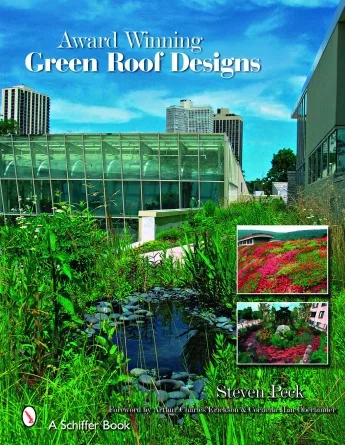
    Award-winning Green Roof Designs: Green Roofs for Healthy Cities

  • 0-7643-2189-7.jpg

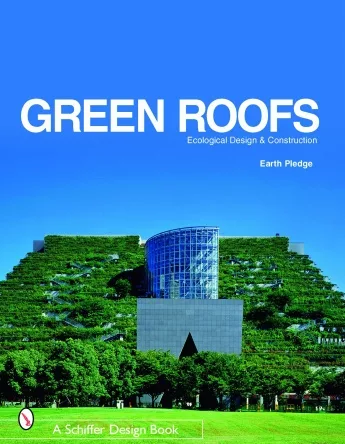
    Green Roofs: Ecological Design and Construction

See More Products
×

Enhance your expertise with unparalleled insights.

Join thousands of building professionals today. Shouldn’t you know what they know?

SUBSCRIBE TODAY!
  • RESOURCES
    • Advertise
    • Contact Us
    • Store
    • Want More
  • SIGN UP TODAY
    • Create Account
    • Newsletter
    • Customer Service
    • Manage Preferences
  • SERVICES
    • Marketing Services
    • Reprints
    • Market Research
    • List Rental
    • Survey/Respondent Access
  • STAY CONNECTED
    • LinkedIn
    • Facebook
    • Instagram
    • YouTube
    • X
  • PRIVACY
    • PRIVACY POLICY
    • TERMS & CONDITIONS
    • DO NOT SELL MY PERSONAL INFORMATION
    • PRIVACY REQUEST
    • ACCESSIBILITY

Copyright ©2026. All Rights Reserved BNP Media, Inc. and BNP Media II, LLC.

Design, CMS, Hosting & Web Development :: ePublishing