The Future is Mixed-Use: Urban Development in 2022 and Beyond
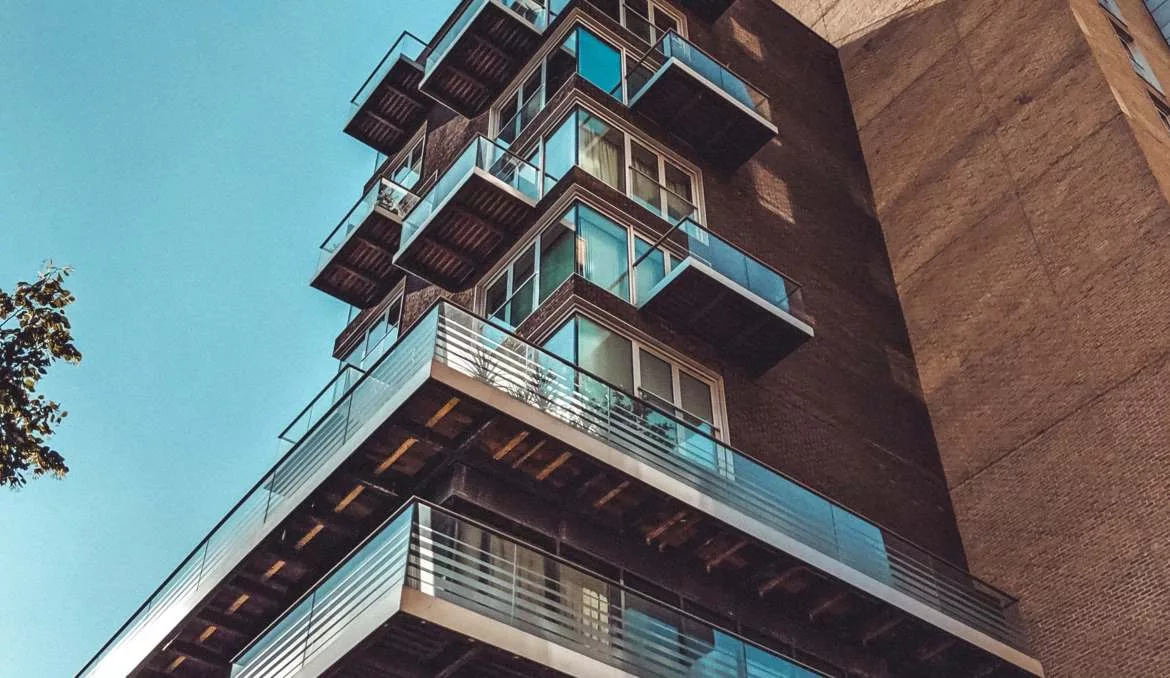
Photo by Alex Motoc on Unsplash
The COVID-19 pandemic has shifted expectations in nearly all aspects of our lives. Whether in work, school, or leisure, we’ve collectively been forced to adapt new habits and ways of thinking. Where we were previously faced with permanence and structure, we now find flexibility and hybridization. This is true of many industries, and we’re seeing this mindset carry over into the future of the built environment. Now, more than ever, the development of mixed-use buildings is on the rise, catalyzed in part by the changes we’ve undergone since the start of the pandemic.
Mixed-use is a kind of urban planning that blends multiple functions (residential, commercial, institutional, just to name a few); these integrated uses often synergize, providing enhanced outcomes for the revenue streams within. Beyond the collaborative aspect of bolstering business, this type of space promotes greater interaction within the local community. Reactivating underutilized space and creating a regular orbit of the local population are just two ways in which these buildings can provide tangible benefits.
As the development of mixed-use buildings increasingly gains momentum, key trends have emerged that will shape the future of urban spaces. One overarching trend is the adaptive reuse of existing buildings, spurred by the vast number of companies that are questioning the utility and viability of a large office space for the foreseeable future. Accelerated by the normalization of the hybrid workforce, the conversion of commercial office space is tied largely to the increased comfort and popularity of working from home.
Pre-existing buildings, often with small or irregular floor plates and outdated infrastructure, are ripe candidates for renovation. Whereas in the past we might have renovated the entirety of a building to bring it up to current standards (like the Empire state building nearly a decade ago), in today's approach, developers are simply identifying certain sections for conversion to meet modern needs, as exemplified in the Woolworth building in New York City. In its current form, the building consists of commercial office space at the lower levels, while the upper levels have been repurposed for residential use. This serves to reinvigorate the building while further grounding it within the local community.
At a time of unprecedented change in our day-to-day needs and wants, mixed-use buildings are valuable for their ability to accommodate the varied exigencies of specific people and areas. In this way, mixed-use buildings have become more mixed-use than ever before. Formerly relegated primarily to the combination of residential or office with retail, it’s more commonplace for mixed-use developments to have an expanded scope. Ambitious implementation of hospitality, life sciences, and entertainment spaces have given us a glimpse into the exciting future of activated, mixed-use spaces.
One primary example we’re seeing more frequently is the continued growth of experiential theater venues. These spaces are often inserted into buildings formerly (or currently) occupied by financial institutions, factories, warehouses, and retail spaces. Experiential entertainment such as theater company Punchdrunk’s Sleep No More in West Chelsea demonstrates the adaptability of nearly any space, as six floors of a former warehouse were transformed into a pseudo-hotel for the purposes of the show. These developments aren’t about cramming multiple businesses into the same physical location, but rather identifying, building upon, and optimizing the synergies between separate uses, thereby changing people’s relationship with and perception of the space itself.
This diversification of uses greatly benefits end-users, but also provides greater incentives for executives to more fully consider mixed-use buildings as a viable revenue stream. As opposed to hanging your project on a singular market demand, as is often the case with single-use builds, the implementation of various uses within the same location allows for assorted streams of revenue. In instances like the pandemic, where demand within an industry might have dropped dramatically (for instance, a hospitality business), the other avenues can provide the necessary profit to maintain operations and secure a portion of the revenue otherwise being lost. The conversion of the iconic Plaza Hotel serves as a testament to the ability to incorporate multiple uses, in this case both residential and hospitality, to create additional income streams from an existing historical structure. All of that considered, it’s no surprise that we’ll see more conversions of this type for years to come.
Another reason that mixed-use development is on the rise relates to its merits in the area of sustainability. The building sector itself is responsible for nearly 40 percent of annual global carbon emissions, with 11% of this tied directly to embodied carbon within building materials and subsequent construction. Adaptive reuse of existing buildings is the most sustainable form of construction at present, and provides serious cost benefits when examined from a development perspective. As we work to minimize emissions, we will continue to turn to the conversion of existing spaces as opposed to new-build construction. These conversions are better equipped to handle the implementation of multiple uses, and there is added value as it relates both to applications and environmental considerations.
The trend of mixed-use buildings, while already headed upward, is experiencing a meteoric rise in popularity. This is due in part to the pandemic, but as is the case with many things, COVID-19 simply accelerated a shift that was already set in motion. The future of urban centers and spaces is inherently mixed-use, as population density inevitably increases and real estate prices continue to soar; mixed-use development is not only the economical choice for developers, but is also one of the best case scenarios for end-users as it prioritizes practicality and sustainability. As the world becomes ever more uncertain, one thing is clear—the future of development is mixed-use, and the medium through which we will make these spaces a reality is through the adaptive reuse of existing structures. Beneficial for not only executives and users, but also for the environment, mixed-use development urges us to look towards the future to find flexible solutions that accommodate our new reality.
