Building Enclosure logo
search
cart
facebook twitter linkedin youtube instagram Spotify Podcasts Apple Podcasts Spotify Podcasts Apple Podcasts
  • Sign In
  • Create Account
  • Sign Out
  • My Account
Building Enclosure logo
  • NEWS
    • Breaking News
  • SECTIONS
    • Columns
    • Project Profiles
    • Trade Shows
    • Sponsor Insights
  • SYSTEM DESIGNS
    • Low-Slope Roofs
    • Pitched Roofs
    • Metal Roofing Materials
    • Waterproofing
    • Sustainability
    • Insulation
    • Exterior Claddings
    • Wall Systems
    • Building Envelope
  • BLOG
    • The BE Blog
  • MEDIA
    • Podcasts
    • Webinars
    • Quiz
    • Videos
    • Polls
    • Interactive Spotlights
    • Newsletter
    • Photo Galleries
  • DIRECTORIES
    • Directory: Blue Book
    • Directory: Roofing Resource
  • PRODUCTS
  • TECHNICAL
    • Codes
      • Waterproofing
      • Roofing
    • Details
      • Waterproofing
      • Roofing
  • CONTINUING ED
  • ABOUT
    • Advertise
      • Editorial Calendar
    • Contact
    • eMag Archive Issues
  • SIGN UP!
Building Envelope

How Extreme Weather Conditions Require Changes in Building Enclosures in 2025
By Evelyn Long
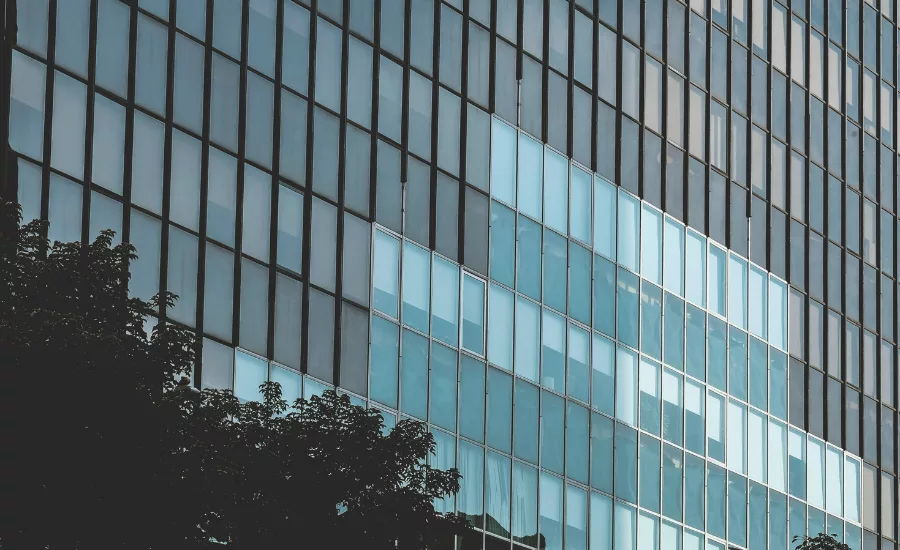
Photo by Henry & Co..png

Photo by Henry & Co. via Pexels.

December 27, 2024

The climate crisis is pushing temperatures to extremes and creating unforeseen weather conditions, causing stress on traditional construction methods and materials. With this, conventional building envelope setups may work less effectively in 2025, and commercial construction companies must adopt new strategies to stay successful.


How Extreme Weather Is Changing Infrastructure Needs

Infrastructure must become simultaneously resilient and adaptive to combat climate stressors. Buildings have to stand strong against high winds, sustained rainfall and intense UV rays, pushing commercial construction companies to respond to climate variances and create innovative quality structures.

Insurance companies are taking note, as average monthly insurance costs for a commercial building could rise from $2,726 to $4,890 — or potentially higher in extreme-risk areas.

Researchers have begun analyzing aspects of building envelopes, like thermal resilience, and seeking solutions for intense weather. Analyses discovered the most critical factors affecting a building’s thermal resilience include:

  • Building characteristics like glazed materials or decentralized energy storage.
  • Outdoor environments, including whether the building is in a rural or urban area.
  • Occupant characteristics like health conditions and utility costs.
  • Power grid reliability and resilience to withstand fluctuations and disturbances.


Necessary Building Envelope Changes for 2025

Once you understand how building components react to extreme weather, you can adjust your strategy to ensure lasting, resilient structures.

Introduce High-Performance Insulation

Insulation helps stabilize internal conditions, enhance fire safety and control humidity. Your company might already have adopted next-generation insulation strategies for their sustainability, cost and effectiveness. If not, 2025 is the time to prioritize insulation.

Cork is a popular insulation material. It absorbs shock and noise, which can help during seismic activity or loud storms. Other materials that may amplify commercial work in the new year include:

  • Spray foam insulation, because of its air-sealing properties in windy and cold climates.
  • Aerogel, because of its low conductivity, moisture resistance and strength.
  • Vacuum-insulated panels, because of their high thermal resistance and energy efficiency.
  • Radiant barriers, because of their high reflectivity to heat and ability to supplement other insulation materials.


Prioritize Moisture-Resistant Facades

Households with precast concrete panels successfully endured 13 inches of rain from Hurricane Florence in North Carolina in 2018, proving the importance of dependable, rigid barriers.

Insulated concrete forms complement moisture-resistant seals. These are sturdy, eco-friendly fixtures providing a vapor barrier to the interior. They do not decay easily, so they encourage buildings to have a long life cycle despite constant exposure to the elements.

Add Dynamic Shading

You can choose from multiple indoor and outdoor shading solutions for your next climate-conscious project. 

Indoors, reactive blinds are available in commercial and residential builds. They automate energy efficiency, similar to smart lighting solutions, by connecting with the rest of a smart building to recognize the outside climate and adjust accordingly. 

Outside, builders should consider installing awnings to enhance passive heating and cooling solutions. These help defend against intense weather by regulating temperature in an energy-efficient way, reducing heat gain by up to 77% in the summer.


Building Advancements in 2025

Modernized envelope building strategies can help compensate for climate change in 2025 and beyond. Commercial construction companies must raise awareness of these innovations and normalize them across the industry in order to create more sustainable, resilient buildings.

KEYWORDS: building design building envelope design heat mitigation moisture spray foam insulation

Share This Story

Evelyn Long is a writer and editor focused on home building and construction. She is the co-founder of Renovated, a web magazine for the home industry.

Recent Comments

These are actually very helpful tips. It is...

This is the most beneficial blog for all...

This blog is a great resource for anyone...

Thank you for sharing this important information. I...

This is a very interesting subject of the...

Manage My Account
  • Sign up for the Newsletter
  • Online Registration
  • Manage My Preferences
  • Registration Customer Service

More Videos

Sponsored Content

Sponsored Content is a special paid section where industry companies provide high quality, objective, non-commercial content around topics of interest to the Building Enclosure audience. All Sponsored Content is supplied by the advertising company and any opinions expressed in this article are those of the author and not necessarily reflect the views of Building Enclosure or its parent company, BNP Media. Interested in participating in our Sponsored Content section? Contact your local rep!

close
  • 2 construction workers and a DEXcell panel
    Sponsored byDEXcell Roof Boards

    Designing Low-Slope Roofs for Resilience

  • Bell Bank headquarters in Fargo, North Dakota
    Sponsored bySto Corp.

    Drained and Back-Ventilated Rainscreens vs Pressurized-Equalized Rainscreens

  • A construction worker using DEXcell roof boards
    Sponsored byDEXcell Roof Boards

    The Hidden Strength of Low-Slope Roof Systems: Why Roof Cover Boards Matter

Popular Stories

construction industry workers in hard hats stand around a city scape

Construction Industry Revolts Over New CSI Licensing Plan

graph shows green, orange and red dot lines going up

LEED v5 and the Cost Impacts of ASHRAE Standard 90.1-2019

2 construction workers and a DEXcell panel

Designing Low-Slope Roofs for Resilience

Building Enclosure Newsletter

BE Poll

Events

April 9, 2026

Strategies for High-Performance Below-Grade Waterproofing

Credits: 1 AIA LU/HSW ; 1 IIBEC CEH; 0.1 IACET CEU

On-Demand Designing a high-performance building enclosure requires more than just surface-level protection; it demands a rigorous, performance-based mastery of below-grade water and gas mitigation. This discussion will provide an expert-level analysis of below-grade waterproofing within the comprehensive framework of the high-performance building enclosure.

April 28, 2026

Roof Design Considerations That Prevent Installation Failures and Change Orders

Credit: 1 AIA LU/HSW; 1 IIBEC CEH; 0.1 ICC CEU

On-Demand This course provides visual examples of actual field conditions. Some good, some not so good; along with design suggestions that can cut installation costs and reduce construction change orders. Upon completion of this course, you will have a better understanding of the requirements the roofing contractor must meet to provide the specified roofing system warranty, and long-term value to the owner.

View All Submit An Event

Products

Plaster and Drywall Assemblies Manual

Plaster and Drywall Assemblies Manual

This is a comprehensive manual that goes beyond codes and standards, providing expert guidance in design, detailing, material selection and troubleshooting for plaster and drywall.

See More Products
×

Enhance your expertise with unparalleled insights.

Join thousands of building professionals today. Shouldn’t you know what they know?

SUBSCRIBE TODAY!
  • RESOURCES
    • Advertise
    • Contact Us
    • Store
    • Want More
  • SIGN UP TODAY
    • Create Account
    • Newsletter
    • Customer Service
    • Manage Preferences
  • SERVICES
    • Marketing Services
    • Reprints
    • Market Research
    • List Rental
    • Survey/Respondent Access
  • STAY CONNECTED
    • LinkedIn
    • Facebook
    • Instagram
    • YouTube
    • X
  • PRIVACY
    • PRIVACY POLICY
    • TERMS & CONDITIONS
    • DO NOT SELL MY PERSONAL INFORMATION
    • PRIVACY REQUEST
    • ACCESSIBILITY

Copyright ©2026. All Rights Reserved BNP Media, Inc. and BNP Media II, LLC.

Design, CMS, Hosting & Web Development :: ePublishing