Building Enclosure logo
search
cart
facebook twitter linkedin youtube instagram Spotify Podcasts Apple Podcasts Spotify Podcasts Apple Podcasts
  • Sign In
  • Create Account
  • Sign Out
  • My Account
Building Enclosure logo
  • NEWS
    • Breaking News
  • SECTIONS
    • Columns
    • Project Profiles
    • Trade Shows
    • Sponsor Insights
  • SYSTEM DESIGNS
    • Low-Slope Roofs
    • Pitched Roofs
    • Metal Roofing Materials
    • Waterproofing
    • Sustainability
    • Insulation
    • Exterior Claddings
    • Wall Systems
    • Building Envelope
  • BLOG
    • The BE Blog
  • MEDIA
    • Podcasts
    • Webinars
    • Quiz
    • Videos
    • Polls
    • Interactive Spotlights
    • Newsletter
    • Photo Galleries
  • DIRECTORIES
    • Directory: Blue Book
    • Directory: Roofing Resource
  • PRODUCTS
  • TECHNICAL
    • Codes
      • Waterproofing
      • Roofing
    • Details
      • Waterproofing
      • Roofing
  • CONTINUING ED
  • ABOUT
    • Advertise
      • Editorial Calendar
    • Contact
    • eMag Archive Issues
  • SIGN UP!

Who's Driving Energy Efficiency
By Stacy Fitzgerald-Redd
2-16-17 Energy Efficiency
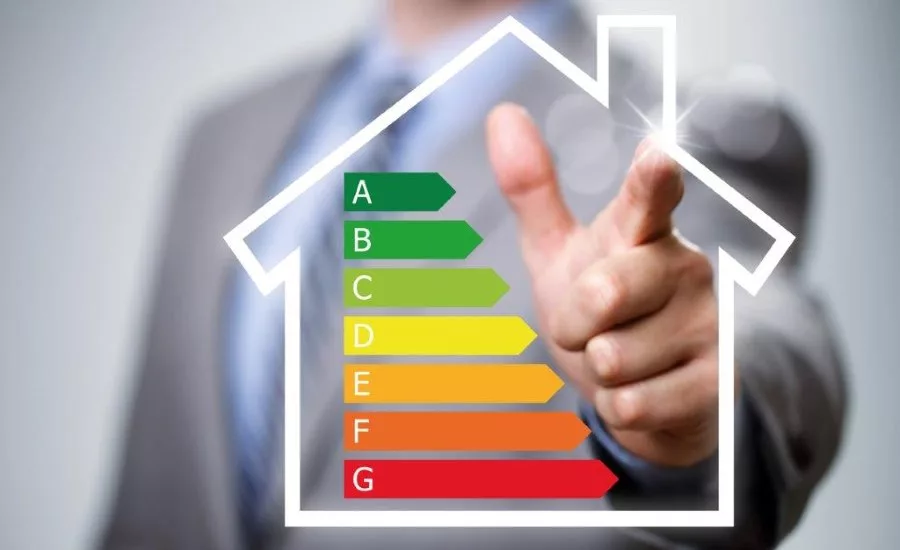
Image courtesy of Insulation Institute.
February 20, 2017

There’s no shortage of information on the economic, energy security and environmental benefits of energy efficiency and new statistics emerge every week. But, while information on the myriad advantages of energy efficiency is abundant and accessible, lesser known are the organizations that are quietly taking a leading role in advancing building and home energy efficiency. This week, we highlight just four of the many organizations driving building energy efficiency at the national, state and regional level:

American Council for an Energy Efficiency Economy

The American Council for an Energy Efficient Economy (ACEEE) advances policies, programs, technologies, investments and behaviors that promote energy efficiency. While the organization has a host of policy priorities, its residential efforts include activities to advance strong building codes and advocate for programs aimed at improving the energy efficiency of existing housing stock.  “While there are tremendous opportunities to address retrofitting existing homes for energy efficiency, improving the building envelope and building performance for new construction is central to much of the work we do and that includes supporting the expansion of strong building energy codes," said Patrick Kiker, communications manager for ACEEE.

National Association of State Energy Officials

National Association of State Energy Officials (NASEO) is a non-profit organization of government-designated energy officials from each of the 56 U.S. states and territories. It advances practical policies that benefit energy development and efficiency and maintains a committee that focuses on energy use in residential, commercial and public sector buildings. The organization is actively engaged in advocating for building energy codes that will expand domestic energy efficiency.  “NASEO also engages state energy officials as well as private sector affiliates to help states improve, expand and establish new financing initiatives for energy related activities – including programs such as Property Assessed Clean Energy or PACE,” said NASEO President and CEO David Terry.  

Southwest Energy Efficiency Project

Southwest Energy Efficiency Project (SWEEP) The Southwest Energy Efficiency Project (SWEEP) is a public interest organization promoting greater energy efficiency in Arizona, Colorado, Nevada, New Mexico, Utah, and Wyoming.  Focusing on residential building energy codes in the Southwest was critical in a region that once lagged in this area, but now includes many localities on the leading edge of home energy efficiency achieved through building code and energy code advancement (such as Denver).  Jim Meyers, director of Building Energy Efficiency Programs for SWEEP said, “SWEEP’s priority is advocating for residential and commercial building codes in the Southwest that not only meet, but exceed code requirements in recognition of the tremendous potential for energy savings.”

Energy Efficiency West Virginia

Energy Efficient West Virginia (EEWV) is a coalition of state residents, businesses and organizations dedicated to promoting energy efficiency among residential, commercial and industrial customers in the Mountain State. EEWV works to improve energy efficiency policies at the utility, state and local level.  Executive Director, Xavier Walter sees building code adoption and implementation as critical to improving the state’s dismal ranking among the most energy-efficient states (44 of the 50 U.S. states, according to ACEEE’s state energy efficiency scorecard, a national grading system for states with the strongest energy efficiency policies.)  Walter is currently spearheading EEWV’s major market program to grow home performance in the state and increase building code energy compliance, which he estimates to be approximately 15 percent.  “Much of our focus recently has been working with contractors, HERS raters and others to educate them about the retrofit opportunities within the state and the broad advantages that increasing weatherization activities, such as boosting insulation, can provide to consumers and businesses in terms of energy and cost savings,” said Walter. “There’s also an economic opportunity for qualified contractors to train and hire talented workers – the added benefit of job creation is a major bonus for the state.”

In the coming months, Insulation Institute will highlight other organizations that work to promote energy efficiency in residential and commercial buildings.

 

For more on this and other great blog posts, visit The Insulation Institute's website.

KEYWORDS: building codes energy efficiency

Share This Story

Stacy is the Director Marketing & Communications for North American Insulation Manufacturers Association (NAIMA).

Recent Comments

These are actually very helpful tips. It is...

This is the most beneficial blog for all...

This blog is a great resource for anyone...

Thank you for sharing this important information. I...

This is a very interesting subject of the...

Manage My Account
  • Sign up for the Newsletter
  • Online Registration
  • Manage My Preferences
  • Registration Customer Service

More Videos

Sponsored Content

Sponsored Content is a special paid section where industry companies provide high quality, objective, non-commercial content around topics of interest to the Building Enclosure audience. All Sponsored Content is supplied by the advertising company and any opinions expressed in this article are those of the author and not necessarily reflect the views of Building Enclosure or its parent company, BNP Media. Interested in participating in our Sponsored Content section? Contact your local rep!

close
  • 2 construction workers and a DEXcell panel
    Sponsored byDEXcell Roof Boards

    Designing Low-Slope Roofs for Resilience

  • Bell Bank headquarters in Fargo, North Dakota
    Sponsored bySto Corp.

    Drained and Back-Ventilated Rainscreens vs Pressurized-Equalized Rainscreens

  • A construction worker using DEXcell roof boards
    Sponsored byDEXcell Roof Boards

    The Hidden Strength of Low-Slope Roof Systems: Why Roof Cover Boards Matter

Popular Stories

construction industry workers in hard hats stand around a city scape

Construction Industry Revolts Over New CSI Licensing Plan

Canalino Elementary School and Canalino Family School exterior

Daylighting Design to Support Rapidly Growing Trend in Modular Building Construction

construction workers on a roof, plane flies in background

Why Specifications Are Becoming the Next Critical Layer of Construction Compliance

Building Enclosure Newsletter

BE Poll

Events

June 17, 2025

Addressing Condensation in Low-Slope Roof Assemblies

Credits: 1 AIA LU/HSW; 0.1 ICC CEU; 1 IIBEC CEH; 0.1 IACET CEU

On Demand In modern roofing systems, vapor retarders and air barriers do more than just minimize air leakage—they’re essential to maximizing performance and longevity. This engaging course dives into the next generation of moisture control: permeable vapor retarders and air barriers. Discover how these cutting-edge technologies are transforming low-slope roofing assemblies by improving energy efficiency, managing moisture, and boosting wind uplift resistance.

April 9, 2026

Strategies for High-Performance Below-Grade Waterproofing

Credits: 1 AIA LU/HSW ; 1 IIBEC CEH; 0.1 IACET CEU

On-Demand Designing a high-performance building enclosure requires more than just surface-level protection; it demands a rigorous, performance-based mastery of below-grade water and gas mitigation. This discussion will provide an expert-level analysis of below-grade waterproofing within the comprehensive framework of the high-performance building enclosure.

View All Submit An Event

Products

Plaster and Drywall Assemblies Manual

Plaster and Drywall Assemblies Manual

This is a comprehensive manual that goes beyond codes and standards, providing expert guidance in design, detailing, material selection and troubleshooting for plaster and drywall.

See More Products
×

Enhance your expertise with unparalleled insights.

Join thousands of building professionals today. Shouldn’t you know what they know?

SUBSCRIBE TODAY!
  • RESOURCES
    • Advertise
    • Contact Us
    • Store
    • Want More
  • SIGN UP TODAY
    • Create Account
    • Newsletter
    • Customer Service
    • Manage Preferences
  • SERVICES
    • Marketing Services
    • Reprints
    • Market Research
    • List Rental
    • Survey/Respondent Access
  • STAY CONNECTED
    • LinkedIn
    • Facebook
    • Instagram
    • YouTube
    • X
  • PRIVACY
    • PRIVACY POLICY
    • TERMS & CONDITIONS
    • DO NOT SELL MY PERSONAL INFORMATION
    • PRIVACY REQUEST
    • ACCESSIBILITY

Copyright ©2026. All Rights Reserved BNP Media, Inc. and BNP Media II, LLC.

Design, CMS, Hosting & Web Development :: ePublishing