Building Enclosure logo
search
cart
facebook twitter linkedin youtube instagram Spotify Podcasts Apple Podcasts Spotify Podcasts Apple Podcasts
  • Sign In
  • Create Account
  • Sign Out
  • My Account
Building Enclosure logo
  • NEWS
    • Breaking News
  • SECTIONS
    • Columns
    • Project Profiles
    • Trade Shows
    • Sponsor Insights
  • SYSTEM DESIGNS
    • Low-Slope Roofs
    • Pitched Roofs
    • Metal Roofing Materials
    • Waterproofing
    • Sustainability
    • Insulation
    • Exterior Claddings
    • Wall Systems
    • Building Envelope
  • BLOG
    • The BE Blog
  • MEDIA
    • Podcasts
    • Webinars
    • Quiz
    • Videos
    • Polls
    • Interactive Spotlights
    • Newsletter
    • Photo Galleries
  • DIRECTORIES
    • Directory: Blue Book
    • Directory: Roofing Resource
  • PRODUCTS
  • TECHNICAL
    • Codes
      • Waterproofing
      • Roofing
    • Details
      • Waterproofing
      • Roofing
  • CONTINUING ED
  • ABOUT
    • Advertise
      • Editorial Calendar
    • Contact
    • eMag Archive Issues
  • SIGN UP!

Woodpecker Damage Surges as EIFS Subcontractors Fight Back

Rising flicker populations damage siding as builders deploy coatings and deterrents to protect homes.

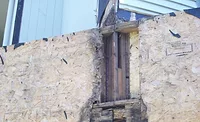
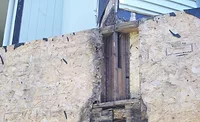
A woodpecker drills away at an EIFS coat on a residential property
Generative AI image created via Adobe Firefly.
June 28, 2026

An apparent surge in northern flicker activity is creating headaches for homeowners across Calgary, with contractors reporting a sharp increase in calls related to bird damage on exterior wall systems. Industry specialists say the problem is particularly severe on homes clad with synthetic stucco systems, where woodpeckers can quickly penetrate the finish in search of nesting sites, reports Devon Dekuyper of the Calgary Herald.

According to exterior cladding contractors, service requests related to northern flicker damage have reached unprecedented levels this spring. Some companies report receiving more than 50 calls per week, nearly double typical volumes. While the birds are protected under federal law and valued by bird enthusiasts, homeowners often face repair bills that can reach thousands of dollars when siding systems are repeatedly targeted.

Why Synthetic Stucco Is a Prime Target

Northern flickers are especially attracted to EIFS. The combination of a relatively thin exterior finish over foam insulation creates an inviting environment for nesting and excavation activities.

Pest management professionals note that many homeowners initially attempt simple patch repairs, only to discover the birds return to the same location within days. During spring breeding season, flickers frequently drum on chimneys, metal surfaces and wall assemblies to establish territory and attract mates. Once nesting behavior begins, the birds may excavate deeper cavities into siding systems.

Bird advocates point to habitat loss as another contributing factor. As mature poplar trees decline or are removed through urban redevelopment, some birds increasingly seek alternative nesting locations, including residential structures.

Manufacturers Respond with Protective Coatings

The challenge is not new to the building industry. Some manufacturers have spent years developing products designed specifically to resist woodpecker damage.

A notable example is Stuc-O-Flex International's BeakGuard system, highlighted in a Walls & Ceilings feature in 2011 examining how contractors combat persistent woodpecker attacks. The coating creates a hardened surface that discourages pecking activity while preserving the appearance of the exterior finish. Contractors reported cases where birds repeatedly damaged untreated portions of a home while avoiding areas protected by the coating. 

Other industry solutions include reinforced acrylic coatings, hard-shell protective finishes and impact-resistant exterior systems designed to make penetration significantly more difficult. These products aim to provide a long-term alternative to repeated patching and repairs.

Beyond Repairs: Integrated Prevention Strategies

Experts emphasize that successful mitigation typically combines durable building materials with exclusion methods and habitat management. Wildlife damage specialists recommend protective netting, metal barriers and prompt repair of existing holes to prevent repeat attacks. Physical exclusion remains one of the most reliable long-term approaches when properly installed. 

Building material selection also plays a role. Research cited by inspectors and wildlife experts indicates that certain siding materials are more vulnerable than others, while painted surfaces often experience fewer attacks than unfinished or stained exteriors.

For homeowners seeking wildlife-friendly alternatives, bird organizations recommend installing nesting boxes designed for flickers. Providing suitable habitat away from the structure can reduce pressure on exterior wall systems while supporting protected bird populations.

As flicker populations continue to trend upward in some regions, manufacturers, contractors and wildlife specialists are increasingly focused on balancing conservation goals with practical building protection strategies. The growing use of hardened coatings, reinforced cladding systems and exclusion technologies suggests the industry is responding aggressively to a problem that shows few signs of disappearing. 


This article was originally posted on www.wconline.com.

Share This Story

Looking for a reprint of this article?
From high-res PDFs to custom plaques, order your copy today!


Recommended Content

JOIN TODAY
to unlock your recommendations.

Already have an account? Sign In

  • bar graph shows LEED v4/LEED v5/LEED v6 in various colors

    When Will LEED v4 / v4.1 and LEED v5 Expire?

    The latest version of the LEED rating system, LEED v5, is...
    Sustainability
    By: Daniel Overbey
  • Celebrating Women In AEC-2026

    Celebrating Women in The AEC Industry Part 1

    A round-up of women in the design, engineering and...
    Building Envelope
    By: Lindsay Lewis
  • KEE membrane application on a roof

    A Beginner’s Guide to Single-Ply Roofing Membranes

    While PVC and TPO appear extremely similar, the chemistry...
    Low-Slope Roofs
    By: Peter Gross
Manage My Account
  • Sign up for the Newsletter
  • Online Registration
  • Manage My Preferences
  • Registration Customer Service

More Videos

Sponsored Content

Sponsored Content is a special paid section where industry companies provide high quality, objective, non-commercial content around topics of interest to the Building Enclosure audience. All Sponsored Content is supplied by the advertising company and any opinions expressed in this article are those of the author and not necessarily reflect the views of Building Enclosure or its parent company, BNP Media. Interested in participating in our Sponsored Content section? Contact your local rep!

close
  • 2 construction workers and a DEXcell panel
    Sponsored byDEXcell Roof Boards

    Designing Low-Slope Roofs for Resilience

  • Bell Bank headquarters in Fargo, North Dakota
    Sponsored bySto Corp.

    Drained and Back-Ventilated Rainscreens vs Pressurized-Equalized Rainscreens

  • A construction worker using DEXcell roof boards
    Sponsored byDEXcell Roof Boards

    The Hidden Strength of Low-Slope Roof Systems: Why Roof Cover Boards Matter

Popular Stories

graph shows green, orange and red dot lines going up

LEED v5 and the Cost Impacts of ASHRAE Standard 90.1-2019

2 construction workers and a DEXcell panel

Designing Low-Slope Roofs for Resilience

Bell Bank headquarters in Fargo, North Dakota

Drained and Back-Ventilated Rainscreens vs Pressurized-Equalized Rainscreens

Building Enclosure Newsletter

BE Poll

Events

April 9, 2026

Strategies for High-Performance Below-Grade Waterproofing

Credits: 1 AIA LU/HSW ; 1 IIBEC CEH; 0.1 IACET CEU

On-Demand Designing a high-performance building enclosure requires more than just surface-level protection; it demands a rigorous, performance-based mastery of below-grade water and gas mitigation. This discussion will provide an expert-level analysis of below-grade waterproofing within the comprehensive framework of the high-performance building enclosure.

April 28, 2026

Roof Design Considerations That Prevent Installation Failures and Change Orders

Credit: 1 AIA LU/HSW; 1 IIBEC CEH; 0.1 ICC CEU

On-Demand This course provides visual examples of actual field conditions. Some good, some not so good; along with design suggestions that can cut installation costs and reduce construction change orders. Upon completion of this course, you will have a better understanding of the requirements the roofing contractor must meet to provide the specified roofing system warranty, and long-term value to the owner.

View All Submit An Event

Products

Plaster and Drywall Assemblies Manual

Plaster and Drywall Assemblies Manual

This is a comprehensive manual that goes beyond codes and standards, providing expert guidance in design, detailing, material selection and troubleshooting for plaster and drywall.

See More Products

Related Articles

  • moisture damage

    Understand Insulation Permeability to Prevent Moisture Damage and the Dreaded Call-back

    See More
  • moisture damage

    Understand Insulation Permeability to Prevent Moisture Damage and the Dreaded Call-back

    See More
  • Kingspan

    The Fight Against Climate Change

    See More

Related Products

See More Products
  • plaster and drywall

    Plaster and Drywall Assemblies Manual

See More Products
×

Enhance your expertise with unparalleled insights.

Join thousands of building professionals today. Shouldn’t you know what they know?

SUBSCRIBE TODAY!
  • RESOURCES
    • Advertise
    • Contact Us
    • Store
    • Want More
  • SIGN UP TODAY
    • Create Account
    • Newsletter
    • Customer Service
    • Manage Preferences
  • SERVICES
    • Marketing Services
    • Reprints
    • Market Research
    • List Rental
    • Survey/Respondent Access
  • STAY CONNECTED
    • LinkedIn
    • Facebook
    • Instagram
    • YouTube
    • X
  • PRIVACY
    • PRIVACY POLICY
    • TERMS & CONDITIONS
    • DO NOT SELL MY PERSONAL INFORMATION
    • PRIVACY REQUEST
    • ACCESSIBILITY

Copyright ©2026. All Rights Reserved BNP Media, Inc. and BNP Media II, LLC.

Design, CMS, Hosting & Web Development :: ePublishing