Guidelines for Proper Waterproofing Specifications

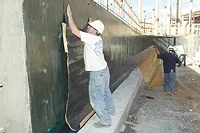
Image courtesy of John D'Annunzio
Thorough specifications are a critical component and are paramount to the success of a waterproofing project. The proper development of specifications is essential due to the complexity of the waterproofing process that occurs with the integration of other building components and trades. It is the responsibility of the architect and/or designer to ensure that all divisions of waterproofing application are addressed. The specification of materials and system application methods are essential elements and should be chronicled along with excavation, substrate preparation, backfilling and sequence of work.
A thorough specification will serve as an effective communication tool for all project participants. A good specification, which encompasses the scope of work, will also serve as a valuable tool to enable the owner or owner’s representative, construction manager, applicator and inspector to effectively communicate with each other. It also serves as a communication path to the architect. The specifics of each component and divisions of responsibility should be provided in the specifications, which should be reviewed before and during the development process, in order to attain a high-quality waterproofing system that meets the specific project requirements.
On the below grade applications, the specification should be divided into four sections that address excavation, surface preparation, waterproofing application and backfilling. MASTERSPEC or CSI format specifications address these procedures in the following divisions:
Division 1 – Pre-Installation Meeting (excavation)
Division 2 – Backfill
Division 3 – General Requirements (surface preparation)
Division 7 – Waterproofing
Division 1 – Pre-Installation Meeting (Excavation)
The intent of this section is to establish parameters of the pre-installation meetings. Typical projects may have three such meetings, which serve to open lines of communication between the project participants. Attendees should include representatives from the owner, architect, engineer, general contractor, sub-contractors, material manufacturer and the inspection agency. The specifications should define when the meetings will take place and who should attend. They should also define the guidelines for excavation, sequence and review of the constructed concrete surfaces.
The purpose of these meetings is to resolve any questions or disputed areas in the specifications prior to project commencement and during the construction phase. In relationship to these issues, the specifications should clearly define the following issues:
- The required width of the foundation excavation
- Sequencing of concrete casting for:
- the footing
- the slab on ground
- the structural slab
- The sequence of the backfill operation.
- The waterproofing contractors review the process of concrete finish. It is critical that divisions of responsibility are provided within the specification as to who is responsible for concrete repair.
- The waterproofing contractors review the surface moisture requirements.
Division 2 – Backfill
Whereas Division 1 outlines the sequencing requirements of the backfill operations, Division 2 defines the technical requirements of this process. The backfilling process is a critical component to the success of a waterproofing system, and it requires the appropriate attention in the specifications. Damage created by improper backfilling is the most common cause of premature waterproofing failures. Damage typically results from the use of improper fill materials, such as rocks, frozen soil and miscellaneous debris. It also occurs from punctures created by backfill equipment, i.e., loaders, bulldozers, shovels, or other site operations. Backfilling operations have also been completed prior to the waterproofing application, leaving the area exposed to moisture infiltration. This is often the result of an overanxious or uncaring subcontractor.
Proper backfill requirements listed in the specifications can eliminate these errors by providing an enforceable document. If it is determined that incorrect application materials and methods were applied than corrective remedies would be required. The most important requirement is that it is completed immediately after waterproofing is applied. This is critical for two reasons; in vertical applications the backfill holds the membrane in place and it provides ultraviolet protection for the waterproofing materials, particularly for those materials that are not ultraviolet resistant.
Additional backfill requirements that should be provided in the specifications include the following items:
- Require that the compaction of the backfill is in accordance with ASTM D 1557 “Test Method for Laboratory Compaction Characteristics of Soil Using Modified Effort.”
- Specify single-graded aggregate that is not less than 3/4 inches in size.
- Specify filter fabric, porous backfill and subsurface drains.
- Limit backfill lifts to maximum 12-inch heights.
- Specify field inspection of the backfill operation to ensure compliance and that no damage to the waterproofing occurs.
Division 3 – General Requirements
A successful waterproofing application is dependent on proper substrate preparation. Preparation requirements vary by the type of material used and application methods. Due to this fact, it is important that the manufacturers’ requirements for substrate preparation are followed. In this regard, specify that the concrete surfaces and finishes meet the manufacturers’ requirements.
The designer should specify proper substrate preparation in the concrete division of the specifications. Separate trades typically complete concrete placement and waterproofing application and this can create confusion and problems. Particularly in what is considered proper concrete preparation and whose responsibility it is to perform the repairs required for the waterproofing application.
The designer can eliminate these issues by providing language stating that concrete placement and repair are completed in accordance with ASTM D 5925. This is an excellent reference guide that contains a list of remediation measures for identifying and repairing fins, bug holes, form kick-outs, and similar surfaces that are unsuitable for the application of waterproofing. Reference to this standard in the Concrete Section and Waterproofing Section will eliminate potential problems during the project. The designer should also require that the waterproofing contractor approve the surface in writing prior to installation.
Other preparation items to be listed in the specifications include:
- Do not permit the use of concrete curing compounds, certain form release agents, or concrete admixtures that are not approved by the waterproofing manufacturer.
- Specify schedule of concrete pours to provide for proper curing time prior to waterproofing application.
- Specify concrete surface quality and finishes (float, steel trowel) that meet the manufacturer’s requirements.
- Require the concrete contractor to exercise care when pouring concrete over waterproofed systems. Provide that there shall be notification of any damage to the waterproofing system given to the waterproofing applicator prior to the concrete pour or covering.
- Specify water stops.
- Specify cement cants and chamfered corners if required.
- Any solvent bearing concrete sealer should only be specified and applied after approval in writing by the waterproofing system manufacturer. A solvent bearing sealer applied in normally specified quantities could migrate through the joints of the wear surface, changing the viscosity of the waterproofing system.
Division 7 – Waterproofing
Part 1 of the waterproofing section should include standard language pertaining to general requirements. These requirements would include submittals, manufacturer requirements, application and weather conditions required for application and scheduling of waterproofing and backfilling. This section should also specify the application and materials required for temporary protection of the applied waterproofing while other trades are working in the area.
Part 2 of this section should list the products required for the waterproofing systems. A brief description should be provided for all products listing information applicable to the application – i.e., size, type, thickness, psi, and all other pertinent physical property requirements. Reference the ASTM number for all products.
In reference to extruded polystyrene, it is recommended that Type VII EPS with a minimum of 60-psi compressive strength is used on framed slabs under a wearing surface and Type I EPS as a protection layer on vertical surfaces.
Specify the following accessory materials:
- Protection Board
- Drainage Panels
- Termination Bars
- Fasteners
- Filter Cloths under concrete slabs
Part 3 of this section should reference the surface conditions required for waterproofing applications. Surface preparation and acceptable moisture conditions should be in accordance with the manufacturer’s requirements. The specific test methods required to determine existing surface moisture should be specified.
The application section should reference the following items:
- Specify the installation of the flashing and reinforcing prior to the membrane.
- Specify the type of flashings, reinforcing materials and flashing termination fixtures to be used when detailing flashings at all openings, projections, and other terminations appropriate to the methods and systems specified.
- Specify appropriate means for anticipated substrate movement. This can be accomplished through appropriately designed and placed control and expansion joints.
- Follow the manufacturers’ guide specifications and details for applicable materials and application methods.
- Specify that the manufacturers provide approvals as to the intended use of the system and details. This can be in the form of a written statement of “suitability of use.”
- Establish the manufacturers’ limitations and requirements during application for weather conditions such as temperature, rain, snow and wind.
- Specify immediate installation of protection board so there is no damage to the system from other trades. Use the manufacturers’ requirements as to the type of placement. Generally accepted protective cover is obtained by means of:
- Horizontal Protection: asphalt/organic felt protection boards – 1/8 inches to 1/4 inches thick – depending on required protection.
- Vertical Protection: polystyrene bead board with minimum of 1-pound density and 1-inch thick.
- Specify subsurface and below grade prefabricated drainage systems in accordance with the manufacturers’ approval and requirements. Some manufacturers neither require nor approve these systems. A properly sloped concrete surface – 1/4 inches per foot or more – will typically remove 95 percent of all water to the drains.
- Drain configurations and installation elevations should be meticulously detailed and approved by the waterproofing manufacturer.
- Require EVT testing and/or a flood test on all horizontal applications for a minimum of 24 hours and a maximum of 72 hours using no more than 2 inches of water. Tests are typically completed prior to application of the protection board for easy access to system repairs.
Looking for a reprint of this article?
From high-res PDFs to custom plaques, order your copy today!
.webp?height=740&t=1767036885&width=auto "Header - BE 1170x658 (002).png")

.webp?height=740&t=1755781744&width=auto "KEE(2).png")