Building Enclosure logo
search
cart
facebook twitter linkedin youtube instagram Spotify Podcasts Apple Podcasts Spotify Podcasts Apple Podcasts
  • Sign In
  • Create Account
  • Sign Out
  • My Account
Building Enclosure logo
  • NEWS
    • Breaking News
  • SECTIONS
    • Columns
    • Project Profiles
    • Trade Shows
    • Sponsor Insights
  • SYSTEM DESIGNS
    • Low-Slope Roofs
    • Pitched Roofs
    • Metal Roofing Materials
    • Waterproofing
    • Sustainability
    • Insulation
    • Exterior Claddings
    • Wall Systems
    • Building Envelope
  • BLOG
    • The BE Blog
  • MEDIA
    • Podcasts
    • Webinars
    • Quiz
    • Videos
    • Polls
    • Interactive Spotlights
    • Newsletter
    • Photo Galleries
  • DIRECTORIES
    • Directory: Blue Book
    • Directory: Roofing Resource
  • PRODUCTS
  • TECHNICAL
    • Codes
      • Waterproofing
      • Roofing
    • Details
      • Waterproofing
      • Roofing
  • CONTINUING ED
  • ABOUT
    • Advertise
      • Editorial Calendar
    • Contact
    • eMag Archive Issues
  • SIGN UP!
Project Profiles

Metal-clad Bank Helps Planned Development Build Community Ties
Metl-Span
June 22, 2021

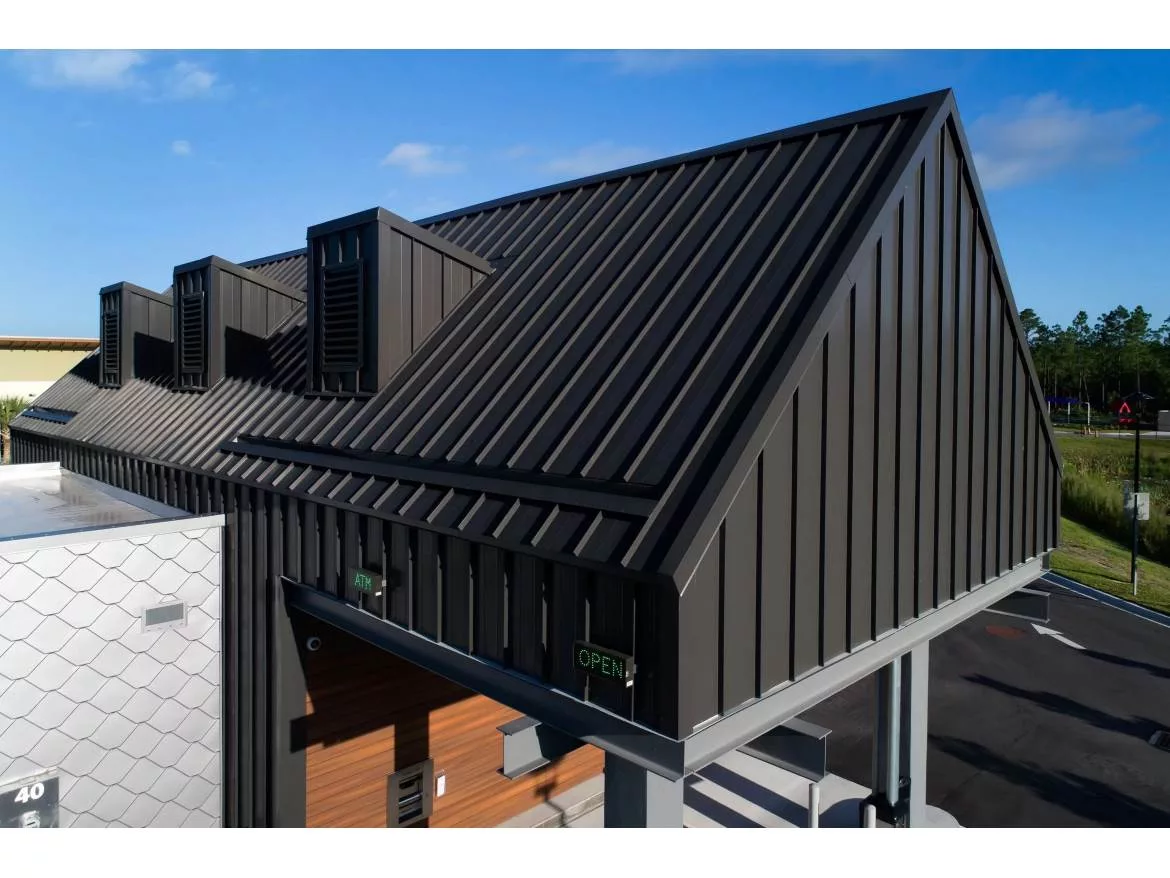
Building a new community from the ground up is no easy feat. Having a vision of the overall aesthetics from the beginning is an important element in assuring that community will hold together over the decades. Developers of the new 2,900-acre community of Wildlight in northeast Florida, about 20 miles north of Jacksonville, are emphasizing historic styles for buyers’ homes and townhomes, but commercial establishments are getting a bit more leeway. A new Wildlight branch for First Federal Bank of Florida puts an industrial twist on basic gabled designs to create a quirky, inviting building that’s highlighted with standing-seam metal panels used for both roofs and walls.
 
The new bank branch is sited within the community’s burgeoning village center, which also includes a supermarket along with a number of restaurants and other retailers. The larger development is now in its first building phase, which is planned to include approximately 1,000 homes built on 261 acres, with an additional 350 acres of permanently preserved open space. Eventually, Wildlight is expected to incorporate up to 24,000 homes.
 
Designers with the Jacksonville office of Dasher Hurst Architects were given a few guidelines from the community, which included emphasizing walkability and bike-friendliness in the commercial area, according to firm principal Tom Hurst, AIA. These included siting the building close to the front property line. Elements like front porches that spur personal interactions and provide some relief from the Florida sun also are encouraged.
 
However, Hurst says First Federal gave his team a pretty open hand when it came to their own corporate requirements, since they didn’t have their own prototype style for local branches, and were hoping for something a bit more modern than previous facilities.
 
“It was important to them that the architecture fit into the new neighborhood, which included other commercial buildings with a decidedly ‘industrial’ aesthetic,” he says, adding that there was a bit of tension to also ensure ‘industrial’ didn’t equate to unwelcoming. “They wanted to make sure the building felt inviting and encouraged the use of woods and other warm materials. The simple gabled form of the building fits in well with the scale of the neighborhood, while the material palette references the surrounding buildings within the commercial district.”
 
The most dramatic element in that palette are the standing-seam panels, which run vertically up the top half of the walls and gable ends and continue up the roof in an effort to accentuate the gabled volume, Hurst says. “We wanted the building to feel like a solid, extruded object, rather than separate walls and roof – to achieve this, we needed a material that would work equally well for both,” he says. “Standing-seam metal is one of the few materials that fit this situation. The dark color was selected to create a strong visual anchor to the building and to complement the other lighter and warmer materials.”
 
The architects turned to Petersen and its Snap-Clad panels in their specifications, with a total of 5,000 sq. ft. of 24-gauge panels in the company’s Graphite finish used in the project. This wasn’t a new choice for Hurst, who says he has long counted on both the durability of the company’s PAC-CLAD products and its employees’ expertise.
 
“We have used Petersen roofing products for years because they perform well and have all the necessary testing in place for installations in Florida, which is a very challenging environment,” he says. “We have excellent sales representation in Jacksonville. Petersen has always been very helpful when reviewing projects with us and ensuring that we have the proper products and specifications.”
 
With the bank now open, Hurst says it has become right at home in a community being developed on the principles of friendliness and neighborliness. “The building has been well received by both the general public and our client,” he says. “It is located at one of the main entrances to Wildlight, and we’ve been told that it helps to create an interesting and welcoming gateway to the neighborhood.”


KEYWORDS: cladding metal panels panels

Share This Story

Looking for a reprint of this article?
From high-res PDFs to custom plaques, order your copy today!


Recommended Content

JOIN TODAY
to unlock your recommendations.

Already have an account? Sign In

  • bar graph shows LEED v4/LEED v5/LEED v6 in various colors

    When Will LEED v4 / v4.1 and LEED v5 Expire?

    The latest version of the LEED rating system, LEED v5, is...
    Sustainability
    By: Daniel Overbey
  • Celebrating Women In AEC-2026

    Celebrating Women in The AEC Industry Part 1

    A round-up of women in the design, engineering and...
    Building Envelope
    By: Lindsay Lewis
  • KEE membrane application on a roof

    A Beginner’s Guide to Single-Ply Roofing Membranes

    While PVC and TPO appear extremely similar, the chemistry...
    Low-Slope Roofs
    By: Peter Gross
Manage My Account
  • Sign up for the Newsletter
  • Online Registration
  • Manage My Preferences
  • Registration Customer Service

More Videos

Sponsored Content

Sponsored Content is a special paid section where industry companies provide high quality, objective, non-commercial content around topics of interest to the Building Enclosure audience. All Sponsored Content is supplied by the advertising company and any opinions expressed in this article are those of the author and not necessarily reflect the views of Building Enclosure or its parent company, BNP Media. Interested in participating in our Sponsored Content section? Contact your local rep!

close
  • 2 construction workers and a DEXcell panel
    Sponsored byDEXcell Roof Boards

    Designing Low-Slope Roofs for Resilience

  • Bell Bank headquarters in Fargo, North Dakota
    Sponsored bySto Corp.

    Drained and Back-Ventilated Rainscreens vs Pressurized-Equalized Rainscreens

  • A construction worker using DEXcell roof boards
    Sponsored byDEXcell Roof Boards

    The Hidden Strength of Low-Slope Roof Systems: Why Roof Cover Boards Matter

Popular Stories

construction industry workers in hard hats stand around a city scape

Construction Industry Revolts Over New CSI Licensing Plan

a man wearing a mask installs insulation into a wall system

Quiet Rooms and Healthier Air: A Second Look at What Goes Inside the Wall Cavity

Canalino Elementary School and Canalino Family School exterior

Daylighting Design to Support Rapidly Growing Trend in Modular Building Construction

Building Enclosure Newsletter

BE Poll

Events

June 17, 2025

Addressing Condensation in Low-Slope Roof Assemblies

Credits: 1 AIA LU/HSW; 0.1 ICC CEU; 1 IIBEC CEH; 0.1 IACET CEU

On Demand In modern roofing systems, vapor retarders and air barriers do more than just minimize air leakage—they’re essential to maximizing performance and longevity. This engaging course dives into the next generation of moisture control: permeable vapor retarders and air barriers. Discover how these cutting-edge technologies are transforming low-slope roofing assemblies by improving energy efficiency, managing moisture, and boosting wind uplift resistance.

April 9, 2026

Strategies for High-Performance Below-Grade Waterproofing

Credits: 1 AIA LU/HSW ; 1 IIBEC CEH; 0.1 IACET CEU

On-Demand Designing a high-performance building enclosure requires more than just surface-level protection; it demands a rigorous, performance-based mastery of below-grade water and gas mitigation. This discussion will provide an expert-level analysis of below-grade waterproofing within the comprehensive framework of the high-performance building enclosure.

View All Submit An Event

Products

Plaster and Drywall Assemblies Manual

Plaster and Drywall Assemblies Manual

This is a comprehensive manual that goes beyond codes and standards, providing expert guidance in design, detailing, material selection and troubleshooting for plaster and drywall.

See More Products

Related Articles

  • 501River_6673.jpg

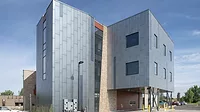
    Bank Branch Calls Metal-Clad Geometrical Structure Home

    See More
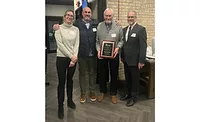
  • From left to right, Phoebe McCorkindale, Ben Kweton and Phil Kweton of Sheet Metal Supply, along with Kevin Waldenstrom, a Grayslake Villate Trustee.

    Sheet Metal Supply Receives Community Economic Development Award

    See More
  • INSBANK_7278.jpg

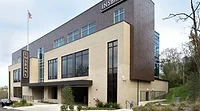
    Bank Branches Out with Statement Location Clad in Panels

    See More

Related Products

See More Products
  • bni book

    BNi General Construction Costbook 2026 (Print Edition)

See More Products

Events

View AllSubmit An Event
  • October 7, 2025

    Fit to Be Clad

    Credits: 1 AIA LU/HSW; 1 IIBEC CEH; 0.1 ICC CEUOn-Demand These factors include the different types of metal roof and wall systems, materials used in manufacturing, fastener types as well as environmental issues such as saltwater and wind speed. Structural issues including building framing, roof slope, curving, perforation and more are addressed. Finally, a review of cost assessment and how it’s affected by sustainability needs, installation concerns and jobsite best practices rounds out this course. 
View AllSubmit An Event
×

Enhance your expertise with unparalleled insights.

Join thousands of building professionals today. Shouldn’t you know what they know?

SUBSCRIBE TODAY!
  • RESOURCES
    • Advertise
    • Contact Us
    • Store
    • Want More
  • SIGN UP TODAY
    • Create Account
    • Newsletter
    • Customer Service
    • Manage Preferences
  • SERVICES
    • Marketing Services
    • Reprints
    • Market Research
    • List Rental
    • Survey/Respondent Access
  • STAY CONNECTED
    • LinkedIn
    • Facebook
    • Instagram
    • YouTube
    • X
  • PRIVACY
    • PRIVACY POLICY
    • TERMS & CONDITIONS
    • DO NOT SELL MY PERSONAL INFORMATION
    • PRIVACY REQUEST
    • ACCESSIBILITY

Copyright ©2026. All Rights Reserved BNP Media, Inc. and BNP Media II, LLC.

Design, CMS, Hosting & Web Development :: ePublishing