ABAA Site Quality Assurance for Air Barrier Installations
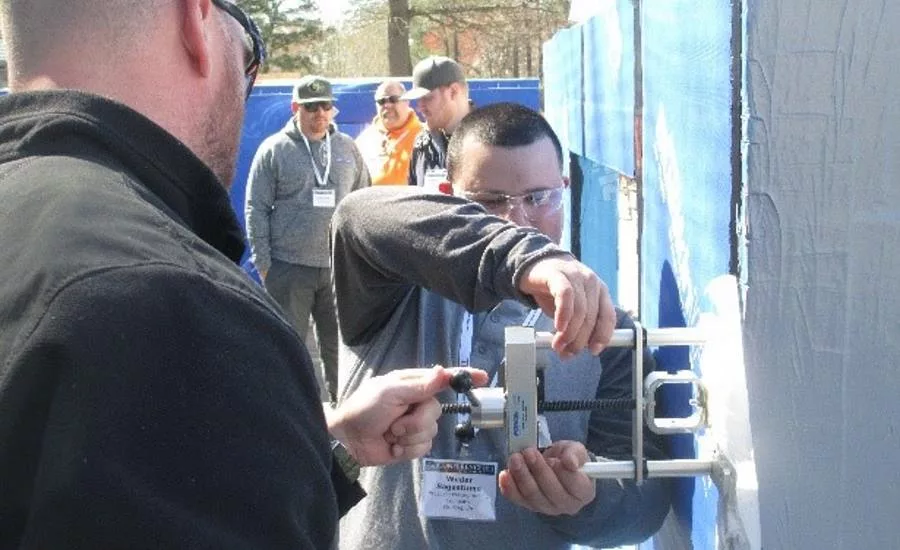
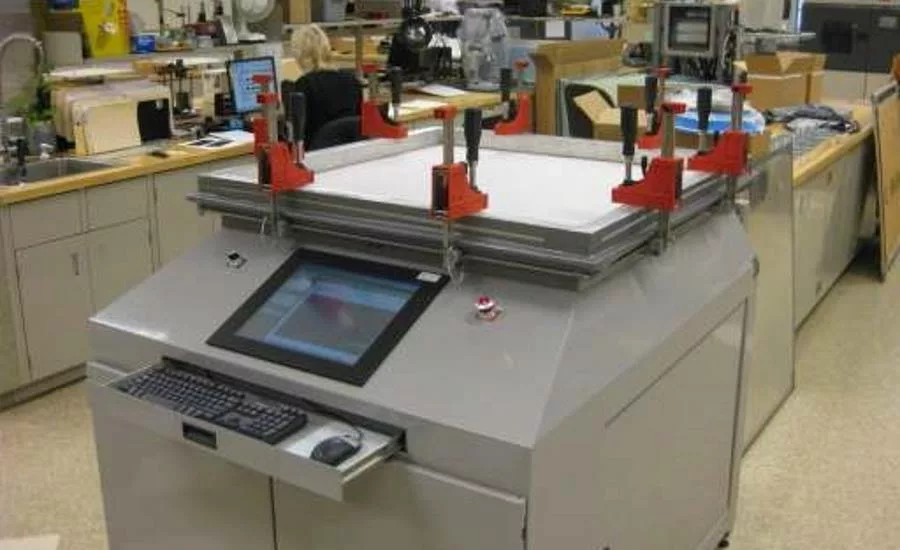
The Air Barrier Association of America founded its great reputation in building performance on a well-established Site Quality Assurance Program. This SQAP was first established in 2001 in Massachusetts. Since that time the ABAA has been providing site quality assurance to thousands of both new construction and renovation projects throughout America and around the world.
When we ask most design professionals, air barrier contractors and general contractors what is the biggest problem they face with the installation of air barrier systems and resulting building envelope failures, the common answer is the actual installation of the system.
The individuals who are installing the systems in almost all of the failures of air and water intrusions into buildings have not been properly trained for the installation of the materials for that particular assembly. These individuals may not know what the proper substrate conditions should be for the system they are installing. They may not know how to properly apply the adhesives or primers for self-adhered systems. They may not know how long to wait after the primers have been applied before they can apply the self-adhered membrane. These factors can result in delamination, fish-mouths, and large voids under the membrane.
They may not realize the need to properly roll these self adhered membranes with an approved membrane roller to achieve proper adhesion. The installer are also required to properly detail around the numerous service penetrations throughout the wall assemblies. If the installer misses any one of these vital steps in the installation process, this can and will result in air and or water leaking into the wall assembly. The remedial costs of these common installation errors can be extremely high. The resulting damage to the building envelope, the growth of mold and mildew, bad indoor air quality, and resulting illness to the occupants of the building are all too common. Additionally, the subsequent litigation that can result due to loss of use, health-related issues, and damage remediation can be devastating.
The ABAA has a comprehensive solution to avoid all of the problems associated with these failures?
Approved Materials:
The ABAA requires the air barrier contractors to use approved materials on all of our ABAA-specified projects. The materials and assemblies must comply with the ASTM E2178 material standard, and the ASTM E2357 assembly standard to be acceptable on an ABAA-specified project.
All of our ABAA manufacturer members have numerous materials and assemblies that meet and exceed these standards. So, the common factor to the various failures we see in building envelopes across the country is the lack of experience and qualifications of the individuals who are installing the systems. Many times when we ask: “who is given the task of priming the walls and installing the self-adhered membranes on the walls?” The answer is the laborer and/or the lowest paid individual on the crew. These people do not set out to do a bad job, they are simply trying to do the installation the best they can. These highly important tasks are many times viewed as insignificant and that anyone can do them. The contractor typically gets the lowest paid person with little to no experience to do the installation to try to save money.
When design professionals, owners and general contractors specify the ABAA SQAP, the results speak for themselves. The installations are completed in compliance with the manufacturer’s and ABAA requirements. The installers are all properly trained and certified to install the various systems that are specified on the project. The various types of certification are self-adhered, fluid-applied, spray polyurethane foam, insulated and uninsulated board-stock, and factory-bonded assemblies.
Certified Installers:
ABAA-certified installers have a minimum of 3000 hours in the discipline in which they are certified. They are required by the SQAP to install the systems in compliance with the manufacturer’s installation guides.
Daily Testing:
Installers are also required to conduct adhesion testing of the installed membranes to ensure they meet the adhesion requirements of the manufacturer. They are also required to complete a comprehensive visual inspection of the installed system. Visual inspections are required for all self-adhered, fluid-applied, board-stock, or spray polyurethane foam systems and the installer shall document the test results each day on daily jobsite reports. The completed DJSRs (Daily Job Site Reports) are then provided to either the general contractor, site superintendent or owner’s representative each day.
Certified Auditors:
The installation is also inspected by an ABAA-certified auditor at various levels of completion throughout the installation. The auditor then provides a highly detailed report of the installation.
Comprehensive Audit reports:
This report is then distributed to the architect, general contractor, manufacturer of the air barrier system and the air barrier contractor.
If there were any deficiencies identified during the audit, the air barrier contractor would have to repair any and all deficiencies that were identified by the auditor at their own expense.
Technical Support:
The ABAA conducts numerous AIA accredited workshops for contractors and design professionals each year. To inquire about how you can have one of these workshops or lunch and learns in your area, call 1-866-956-5888.
To find a complete list of Manufacturer’s Approved Systems, ABAA Master Specifications, and Accredited Contractors in your area, go to the ABAA website: http://www.airbarrier.org/
We are holding our annual ABAA Conference in Reston, Virginia from April 7-8, 2020. The conference is one of the most highly technical building performance conferences held in the USA each year! There is a host of presenters who are some of the most-respected experts in building performance. We look forward to seeing you there!
Looking for a reprint of this article?
From high-res PDFs to custom plaques, order your copy today!
.webp?height=740&t=1767036885&width=auto "Header - BE 1170x658 (002).png")

.webp?height=740&t=1755781744&width=auto "KEE(2).png")


.webp?height=200&t=1756312531&width=200 "ABAA(8).png")