Building Enclosure logo
search
cart
facebook twitter linkedin youtube instagram Spotify Podcasts Apple Podcasts Spotify Podcasts Apple Podcasts
  • Sign In
  • Create Account
  • Sign Out
  • My Account
Building Enclosure logo
  • NEWS
    • Breaking News
  • SECTIONS
    • Columns
    • Project Profiles
    • Trade Shows
    • Sponsor Insights
  • SYSTEM DESIGNS
    • Low-Slope Roofs
    • Pitched Roofs
    • Metal Roofing Materials
    • Waterproofing
    • Sustainability
    • Insulation
    • Exterior Claddings
    • Wall Systems
    • Building Envelope
  • BLOG
    • The BE Blog
  • MEDIA
    • Podcasts
    • Webinars
    • Quiz
    • Videos
    • Polls
    • Interactive Spotlights
    • Newsletter
    • Photo Galleries
  • DIRECTORIES
    • Directory: Blue Book
    • Directory: Roofing Resource
  • PRODUCTS
  • TECHNICAL
    • Codes
      • Waterproofing
      • Roofing
    • Details
      • Waterproofing
      • Roofing
  • CONTINUING ED
  • ABOUT
    • Advertise
      • Editorial Calendar
    • Contact
    • eMag Archive Issues
  • SIGN UP!
ColumnsLow-Slope RoofsSustainability

Rooftops: White or Black?

By James R. Kirby AIA
April 10, 2013

There’s been much discussion about roof color since the roofing industry has been part of the conversation about energy efficiency and sustainable roof systems. National attention was focused on this topic when former Secretary of Energy Stephen Chu made the statement that all rooftops should be painted white.

It bears consideration why Secretary Chu made that statement. Was his comment building focused or environment focused? I strongly believe his statement was rooted in climate change issues, and not necessarily in building-specific energy issues.

It’s true dark surfaces absorb more heat energy than light-colored surfaces, but what we really should say is that urbanization and the built environment are changing the surface characteristics of the earth. Dark-colored roofs, parking lots, and roadways create areas of increased temperature, both large and small. When it’s hot and sunny, a light grey concrete sidewalk is more comfortable to stand on than an asphalt parking lot. So it’s not really appropriate to single out rooftops as the one and only flat surface that is changing the temperature of the earth’s surface.

Let’s take a closer look at the issue of roof color. There are a number of ways to break down the discussion. Does building proportion matter — that is, the percentage of roof area relative to the entire building envelope? Does geography/climate matter when it comes to roof color — the often-debated North-versus-South issue? Does the amount of insulation in an existing or new roof system matter? All of these matter very much.

The roof on a tall, slender high-rise makes little or no difference to the overall energy efficiency of the building. Does roof color matter on the Willis Tower (aka, the Sears Tower)? No; however, a white roof on a one-story big box store in a predominately cooling climate will definitely help reduce the cooling loads. But what about the one-story big box store in a heating climate? Reducing heat gain in this building will increase the need to heat the building, and doesn’t that contradict energy efficiency and our attempts to mitigate climate change?

Much of the “all roofs should be white” discussion originated in California, where the climate is mostly warm, and it occurred during the time when only small amounts of insulation were used. And many roofs in California still have very little insulation. With that in mind, changing roof color from dark to light on a building located in a cooling climate that has little roof insulation makes sense. But that doesn’t translate to all geographic locations, building types and roof systems with large variations of insulation.

Here’s an analogy to consider. When it’s hot outside, do you wear a black T-shirt or a white T-shirt? White, because it makes you feel cooler. The white reflects heat, and the shirt provides little insulation. Contrarily, when it’s cold outside, do you worry about the color of your jacket or the thermal resistance of the jacket? When it’s cold, insulation trumps surface color.

I believe Chu was speaking about climate change when he said, “Paint all roofs white.” And that’s not a bad idea if the only consideration is climate, or if it’s determined the roof really has little or no affect on overall building efficiency. Default to white when roof color doesn’t affect energy efficiency of a building.

It’s a complicated issue, and there’s plenty more to discuss, but I propose we get back to thinking about the basics of building science. Let’s start thinking about buildings as if there was no air conditioning or heating. What color roof would make the building most comfortable to use? It certainly depends on location (geography and climate), building proportions and the amount of insulation in the roof system. If that’s how we start the roof color discussion, then the answers should come easily.

KEYWORDS: color options insulation

Share This Story

Looking for a reprint of this article?
From high-res PDFs to custom plaques, order your copy today!


Jim Kirby, an architect with Siplast, is responsible for Technical Communications, Industry Relations, and Compliance. He can be reached at James.Kirby@Siplast.com or 312-505-6630.

Recommended Content

JOIN TODAY
to unlock your recommendations.

Already have an account? Sign In

  • bar graph shows LEED v4/LEED v5/LEED v6 in various colors

    When Will LEED v4 / v4.1 and LEED v5 Expire?

    The latest version of the LEED rating system, LEED v5, is...
    Sustainability
    By: Daniel Overbey
  • Celebrating Women In AEC-2026

    Celebrating Women in The AEC Industry Part 1

    A round-up of women in the design, engineering and...
    Sustainability
    By: Lindsay Lewis
  • KEE membrane application on a roof

    A Beginner’s Guide to Single-Ply Roofing Membranes

    While PVC and TPO appear extremely similar, the chemistry...
    Low-Slope Roofs
    By: Peter Gross
Manage My Account
  • Sign up for the Newsletter
  • Online Registration
  • Manage My Preferences
  • Registration Customer Service

More Videos

Sponsored Content

Sponsored Content is a special paid section where industry companies provide high quality, objective, non-commercial content around topics of interest to the Building Enclosure audience. All Sponsored Content is supplied by the advertising company and any opinions expressed in this article are those of the author and not necessarily reflect the views of Building Enclosure or its parent company, BNP Media. Interested in participating in our Sponsored Content section? Contact your local rep!

close
  • 2 construction workers and a DEXcell panel
    Sponsored byDEXcell Roof Boards

    Designing Low-Slope Roofs for Resilience

  • Bell Bank headquarters in Fargo, North Dakota
    Sponsored bySto Corp.

    Drained and Back-Ventilated Rainscreens vs Pressurized-Equalized Rainscreens

  • A construction worker using DEXcell roof boards
    Sponsored byDEXcell Roof Boards

    The Hidden Strength of Low-Slope Roof Systems: Why Roof Cover Boards Matter

Popular Stories

construction industry workers in hard hats stand around a city scape

Construction Industry Revolts Over New CSI Licensing Plan

Canalino Elementary School and Canalino Family School exterior

Daylighting Design to Support Rapidly Growing Trend in Modular Building Construction

construction workers on a roof, plane flies in background

Why Specifications Are Becoming the Next Critical Layer of Construction Compliance

Building Enclosure Newsletter

BE Poll

Events

June 17, 2025

Addressing Condensation in Low-Slope Roof Assemblies

Credits: 1 AIA LU/HSW; 0.1 ICC CEU; 1 IIBEC CEH; 0.1 IACET CEU

On Demand In modern roofing systems, vapor retarders and air barriers do more than just minimize air leakage—they’re essential to maximizing performance and longevity. This engaging course dives into the next generation of moisture control: permeable vapor retarders and air barriers. Discover how these cutting-edge technologies are transforming low-slope roofing assemblies by improving energy efficiency, managing moisture, and boosting wind uplift resistance.

April 9, 2026

Strategies for High-Performance Below-Grade Waterproofing

Credits: 1 AIA LU/HSW ; 1 IIBEC CEH; 0.1 IACET CEU

On-Demand Designing a high-performance building enclosure requires more than just surface-level protection; it demands a rigorous, performance-based mastery of below-grade water and gas mitigation. This discussion will provide an expert-level analysis of below-grade waterproofing within the comprehensive framework of the high-performance building enclosure.

View All Submit An Event

Products

Plaster and Drywall Assemblies Manual

Plaster and Drywall Assemblies Manual

This is a comprehensive manual that goes beyond codes and standards, providing expert guidance in design, detailing, material selection and troubleshooting for plaster and drywall.

See More Products

Related Articles

  • weatehr

    Rooftops, Resiliency and Performance in the Extreme

    See More
  • Firestone Building Products Showcases “Roots to Rooftops” Portfolio at Greenbuild

    See More
  • EPDM is now available in both black and white non-reinforced membranes

    Johns Manville Reveals EPDM in White

    See More

Related Products

See More Products
  • Optimizing Social Media from a B2B Perspective

  • 0-7643-2189-7.jpg

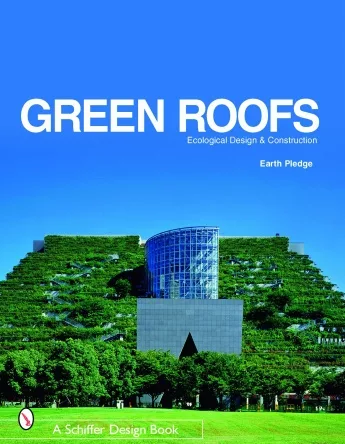
    Green Roofs: Ecological Design and Construction

See More Products

Events

View AllSubmit An Event
  • April 17, 2024

    PVC: The Other White Sheet?

    Credits: 1 AIA LU/HSW; 1 IIBEC CEH; 0.1 IACET CEUOn-Demand In this presentation, we will cover exactly what can be expected of PVC roof membranes and the differences among PVC, PVC-KEE and TPO. This will lead to an in-depth discussion of which projects benefit most from the unique properties of PVC and PVC-KEE membranes, including specific case studies. 
View AllSubmit An Event
×

Enhance your expertise with unparalleled insights.

Join thousands of building professionals today. Shouldn’t you know what they know?

SUBSCRIBE TODAY!
  • RESOURCES
    • Advertise
    • Contact Us
    • Store
    • Want More
  • SIGN UP TODAY
    • Create Account
    • Newsletter
    • Customer Service
    • Manage Preferences
  • SERVICES
    • Marketing Services
    • Reprints
    • Market Research
    • List Rental
    • Survey/Respondent Access
  • STAY CONNECTED
    • LinkedIn
    • Facebook
    • Instagram
    • YouTube
    • X
  • PRIVACY
    • PRIVACY POLICY
    • TERMS & CONDITIONS
    • DO NOT SELL MY PERSONAL INFORMATION
    • PRIVACY REQUEST
    • ACCESSIBILITY

Copyright ©2026. All Rights Reserved BNP Media, Inc. and BNP Media II, LLC.

Design, CMS, Hosting & Web Development :: ePublishing