Adaptive Reuse is Critical to Addressing Housing Shortfalls
The availability and affordability of housing affects every community, causing jurisdictions across the country to incentivize local zoning regulations and funding mechanisms to encourage housing construction.
Adaptive reuse—the conversion of underused commercial property to residential housing units—is an important pathway toward revitalizing urban areas experiencing lower commercial occupancy in a post-COVID world where remote work is commonplace. This article explores how building codes can facilitate adaptive reuse by ensuring that existing structures remain safe as they serve a new purpose, all while preserving their original features and charm.
Employing Adaptive Reuse to Support Housing Availability and Affordability
Adaptive reuse not only breathes new life into previously underutilized commercial properties but also minimizing new construction needs by leveraging existing infrastructure. The integration of these projects within urban landscapes reduces the demand for new materials and curtails urban sprawl. This approach not only conserves energy and resources but also enhances the aesthetic and historical value of neighborhoods, fostering a deeper connection between residents and their built environment.
Moreover, adaptive reuse projects have a profound impact on community dynamics and economic development. By transforming structures that have exceeded their original purposes into vibrant residential or mixed-use developments, cities can effectively address the critical need for housing while simultaneously stimulating local economies. These projects often lead to increased property values, enhanced public safety, and bolstered local businesses due to higher residential density. They can also provide a catalyst for further investment and development within the area, creating a ripple effect of improvement and revitalization.
The trend is a popular topic for many local officials because, through adaptive reuse, a community can maintain and preserve architectural design and the community’s history, as well as reimagine the urban core of a city. In addition, most existing buildings already have public infrastructure (roads and utilities) to support reuse. In recognition of its potential, last fall the Biden Administration announced a first ever White House-led interagency effort geared towards supporting the conversion of high-vacancy commercial buildings to residential use, including through new financing, technical assistance, and sale of federal properties.
Existing retail facilities, impacted by the rise of online shopping, or conventional office spaces facing reduced demand due to the prevalence of remote or hybrid workplaces, have surpassed their original functions. Now, they present opportunities for revitalization, reconstruction and transformation into multifamily residential units.
The Importance of Codes and Standards
Building codes and standards are fundamental to ensuring the safety and health of both buildings and their occupants. The importance of adopting modern building codes cannot be overstated, as they are crucial in maintaining structural integrity, ensuring occupant safety, and enhancing community resilience against natural disasters—mitigating damage, ensuring continuity of essential services and facilitating a quicker recovery. Communities that adopt and enforce the latest building codes are more likely to receive federal infrastructure funding and additional post-disaster recovery assistance.
Our organizations emphasize the critical need for jurisdictions to support their building departments in maintaining these standards through adequate staffing, training, and financing, ensuring that buildings can withstand the specific challenges posed by their regional environments.
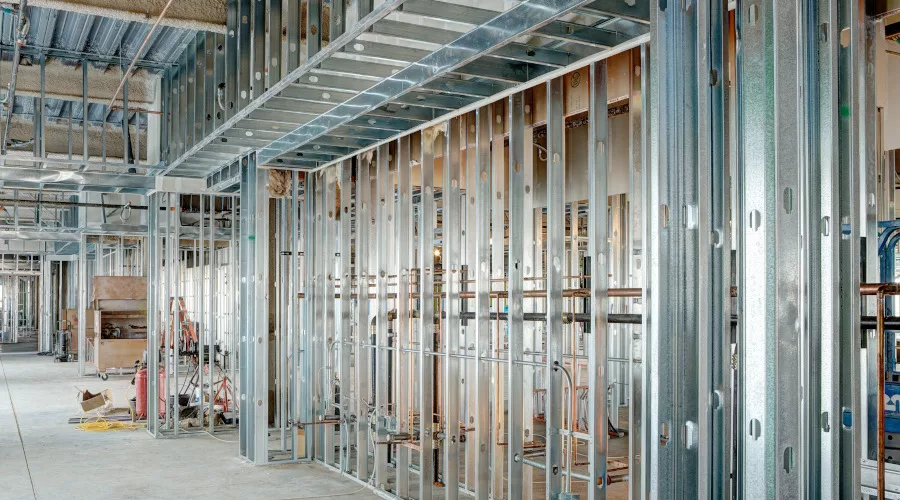
As it relates to adaptive reuse, the interior of the building must be altered to meet the new occupant’s needs. Occupants in office or retail buildings have different needs and expectations relative to the building features than occupants in dwelling units. For example, residential units need provisions for cooking and sanitation, in addition to living and sleeping, while office buildings have large open spaces and may not include kitchens, individual restrooms and bathing facilities.
International Existing Building Code
Building codes, such as the International Code Council's International Existing Building Code® (IEBC), are crucial for adaptive reuse projects, just as they are for new constructions and renovations, to facilitate cost-effective construction that assures occupant safety. The IEBC, which has been adopted and implemented in 45 states, plays a vital role in guiding how to cost-effectively repurpose an existing building while maintaining a safe environment for its new use. This code is not only recommended by the General Services Administration (GSA) but is also mandated by both the Department of Defense and the Federal Emergency Management Agency (FEMA).
The IEBC encourages the continued use and reuse of existing buildings, including historic buildings, by enabling changes in occupancy and use types (e.g., a modification from an office to a multi-family building) through flexible options that to aid design professionals, through a Prescriptive Method, Work Area Method and Performance Method.
- The Prescriptive Method provides a detailed and clear compliance pathway and risk mitigation.
- The Work Area Method encourages the reuse and continued use of existing buildings, allowing different levels of compliance rigidity based on the level of work occurring, in a progressive manner. The more work proposed in an alteration, the more the work would need to comply with the current codes and standards for new construction. A change of occupancy from commercial office space to residential multi-family would involve both an alteration and a change of occupancy. Changes of occupancies in the IEBC use a concept for relative hazards based on occupancy, or use, for specific code applications such as egress, allowable height, and area.
- The Performance Method utilizes a scoring system with minimum safety and performance thresholds to ensure a sufficient level of safety for both alteration and changes of occupancies. This process ensures both safety in the built environment and a significant level of flexibility. The scoring system uses up to 21 building safety parameters over three categories of systems—fire safety, means of egress and general safety—to determine the safety score for each category before considering the minimum score necessary for each category. This pathway allows designers to evaluate different safety features best suited for the dynamics of the building and construction budgeting where only certain applications would need to be upgraded to the new construction codes.
The reuse of underutilized and vacant buildings is an important consideration as policymakers seek to address the housing crisis. Building codes must continue to adopt to meet the evolving needs of cities. The IEBC can and does play a crucial in facilitating these transformations, ensuring safety and functionality standards as well as sustainable growth and the resilience of urban centers. This holistic approach to urban development underscores the importance of innovative building practices and regulations that accommodate and encourage the adaptive reuse of existing buildings.
The recently released 2024 IEBC® contains many important changes — learn more and order now.
Looking for a reprint of this article?
From high-res PDFs to custom plaques, order your copy today!

.webp?height=740&t=1767036885&width=auto "Header - BE 1170x658 (002).png")

.webp?height=740&t=1755781744&width=auto "KEE(2).png")