Building Enclosure logo
search
cart
facebook twitter linkedin youtube instagram Spotify Podcasts Apple Podcasts Spotify Podcasts Apple Podcasts
  • Sign In
  • Create Account
  • Sign Out
  • My Account
Building Enclosure logo
  • NEWS
    • Breaking News
  • SECTIONS
    • Columns
    • Project Profiles
    • Trade Shows
    • Sponsor Insights
  • SYSTEM DESIGNS
    • Low-Slope Roofs
    • Pitched Roofs
    • Metal Roofing Materials
    • Waterproofing
    • Sustainability
    • Insulation
    • Exterior Claddings
    • Wall Systems
    • Building Envelope
  • BLOG
    • The BE Blog
  • MEDIA
    • Podcasts
    • Webinars
    • Quiz
    • Videos
    • Polls
    • Interactive Spotlights
    • Newsletter
    • Photo Galleries
  • DIRECTORIES
    • Directory: Blue Book
    • Directory: Roofing Resource
  • PRODUCTS
  • TECHNICAL
    • Codes
      • Waterproofing
      • Roofing
    • Details
      • Waterproofing
      • Roofing
  • CONTINUING ED
  • ABOUT
    • Advertise
      • Editorial Calendar
    • Contact
    • eMag Archive Issues
  • SIGN UP!
ColumnsSustainability

Building A Sustainable Tomorrow Through Energy Code Adoption Today
By Ryan Colker
GettyImages-1154594071-web.jpg

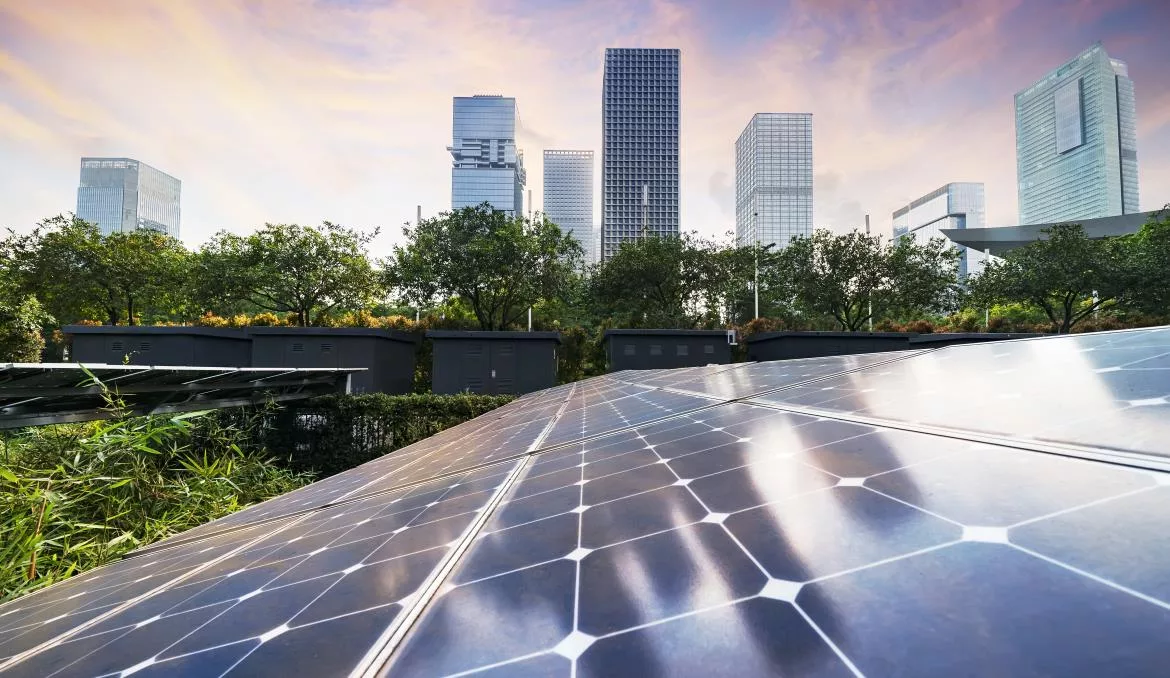
Photo courtesy of Getty Images.

May 6, 2022

As governments continue to race toward achieving the goals outlined in the Paris Agreement, it is now evident that the COVID-19 pandemic had an unexpected side effect of helping to lower global greenhouse gas emissions (GHG). However, with more individuals beginning to re-engage in pre-pandemic activities, emissions are once again on the rise. Based on preliminary data for 2021, Rhodium Group estimates that U.S. economy wide GHG emissions increased 6.2% relative to 2020, though emissions remained 5% below 2019 levels. While historically the building and construction industry has contributed around 40% of global emissions, the Global Alliance for Buildings and Construction found that buildings in 2020 were responsible for 37% of global emissions, 10% lower than in 2019 largely due to the pandemic.   

With the U.S. construction sector forecasted to grow by 8.8%, it is to be expected that the expansion will result in a surge in GHG emissions. Fortunately, the industry has been provided with the tools and resources needed to make both an immediate and long-term impact on GHG emissions from the sector.  

Short-Term Projects to Increase Community-Wide Sustainability 

In November 2021, the U.S. Congress passed the Infrastructure Investment and Jobs Act (IIJA),  allocating nearly $1.2 trillion in federal funds to necessary infrastructure projects across the country. Through the IIJA, state and local elected officials can update their jurisdiction’s infrastructure, while also constructing it to be sustainable and efficient for years to come. 

While certain projects, such as investing in the renewable energy utility grid, might take years, there are projects that can be implemented to have immediate effects on the GHG emissions in local jurisdictions. For example, the IIJA makes federal funds available for the implementation of updated energy codes. After all, energy codes are a fundamental mechanism for driving reductions in energy use and GHG emissions. The U.S Department of Energy (DOE) found that from 2010 through 2040 energy codes will save U.S. home and business owners $138 billion and reduce emissions by 900 million metric tons (equivalent to the annual emissions of 227 coal fired power plants).  

Energy codes such as the International Energy Conservation Code (IECC) provide an immediate pathway to increased sustainability, yielding energy savings of 9.4% and GHG savings of 8.7% over the 2018 edition, while also saving homeowners an average of $2,320 over the life of a typical mortgage. The IIJA will provide an unprecedented investment of $225 million in grants to states and localities through the DOE to support the implementation of updated energy codes. 

Retrofitting existing buildings to improve energy performance is necessary to achieve community-level GHG reduction goals while also generating savings for owners and occupants. Retrofits that include the building enclosure have the potential to significantly influence energy using systems including HVAC systems and lighting. Installing solar photovoltaics in conjunction with a re-roofing project adds carbon-free energy to the electricity grid that, when coupled with on site energy storage can enhance resilience. 

Other solutions such as installing LED lighting and EV charging stations, have proven to help make communities more sustainable while saving taxpayers money on utilities. However, the building safety industry must also work to develop long-term solutions as well.

The Future of Building Safety Industry

While the federal government’s investment in the transition is an essential step, the industry must continue to take a proactive approach in developing resources and solutions that support reductions in GHG emissions. Understanding that it will take a collaborative effort, standards developers, like the Code Council, recognize the importance of having tools that support consistency in how the GHG emissions of buildings are measured and how savings are verified. 

Existing tools like chapter 9 of the International Green Construction Code (IgCC) provides processes for verifying the impacts of material choice through environmental product declarations (EPDs) and the impacts of buildings through life-cycle assessments. The ICC Evaluation Service (ICC-ES) provides verification of EPDs for many construction materials and products. ICC-ES also provides evaluations verifying that low-carbon concrete delivers the strength levels required in the codes. 

Understanding that continuing to provide new resources to professionals is key, the Code Council has announced that it will develop a standard to support the consistent measurement and verification of carbon emissions across the building life cycle including in materials and construction processes used and during the operations and decommissioning phases. The standard is intended for use by governments, businesses and the financial sector as the underlying process for measurement and verification of any targets or requirements they set. 

Federal, state and local governments have placed the reduction of GHG emissions as a goal of paramount importance, with ramifications that can be felt across all sectors of the economy and daily life. As decision makers continue to gain access to federal funds, SDOs must continue to step up and provide resources to aid officials in making informed, long-term decisions for more sustainable communities.  

Reinforcing the importance of this topic, the Code Council has devoted the first week of Building Safety Month, celebrated in May, to “Planning for a Safe & Sustainable Tomorrow.” Building Safety Month is the annual global educational campaign to raise awareness around building safety and the important role building safety professionals play in delivering safe, sustainable and resilient buildings and communities. During the month, the organization will be hosting a lineup of free webinars. For more information on Building Safety Month and to register for the webinars, visit here. 

KEYWORDS: energy efficiency green building greenhouse gas infrastructure

Share This Story

Looking for a reprint of this article?
From high-res PDFs to custom plaques, order your copy today!


Ryan Colker is the vice president of innovation at the International Code Council where he identifies emerging issues in the building industry, including how new technologies can be leveraged by codes and standards, methods to modernize the application of building regulations, and the development of new business strategies that support members and building safety professionals. He also serves as executive director of the Alliance for National and Community Resilience; and as the lead of the Code Council’s Energy, Resilience and Innovation Center of Focus. Most recently, Colker was the vice president of the National Institute of Building Sciences, where he led the institute’s efforts to improve the built environment through collaboration of public and private sectors. Previously, he was the manager of government affairs at ASHRAE.

Recommended Content

JOIN TODAY
to unlock your recommendations.

Already have an account? Sign In

  • bar graph shows LEED v4/LEED v5/LEED v6 in various colors

    When Will LEED v4 / v4.1 and LEED v5 Expire?

    The latest version of the LEED rating system, LEED v5, is...
    Sustainability
    By: Daniel Overbey
  • Celebrating Women In AEC-2026

    Celebrating Women in The AEC Industry Part 1

    A round-up of women in the design, engineering and...
    Sustainability
    By: Lindsay Lewis
  • KEE membrane application on a roof

    A Beginner’s Guide to Single-Ply Roofing Membranes

    While PVC and TPO appear extremely similar, the chemistry...
    Low-Slope Roofs
    By: Peter Gross
Manage My Account
  • Sign up for the Newsletter
  • Online Registration
  • Manage My Preferences
  • Registration Customer Service

More Videos

Sponsored Content

Sponsored Content is a special paid section where industry companies provide high quality, objective, non-commercial content around topics of interest to the Building Enclosure audience. All Sponsored Content is supplied by the advertising company and any opinions expressed in this article are those of the author and not necessarily reflect the views of Building Enclosure or its parent company, BNP Media. Interested in participating in our Sponsored Content section? Contact your local rep!

close
  • 2 construction workers and a DEXcell panel
    Sponsored byDEXcell Roof Boards

    Designing Low-Slope Roofs for Resilience

  • Bell Bank headquarters in Fargo, North Dakota
    Sponsored bySto Corp.

    Drained and Back-Ventilated Rainscreens vs Pressurized-Equalized Rainscreens

  • A construction worker using DEXcell roof boards
    Sponsored byDEXcell Roof Boards

    The Hidden Strength of Low-Slope Roof Systems: Why Roof Cover Boards Matter

Popular Stories

a man wearing a mask installs insulation into a wall system

Quiet Rooms and Healthier Air: A Second Look at What Goes Inside the Wall Cavity

Canalino Elementary School and Canalino Family School exterior

Daylighting Design to Support Rapidly Growing Trend in Modular Building Construction

construction workers on a roof, plane flies in background

Why Specifications Are Becoming the Next Critical Layer of Construction Compliance

Building Enclosure Newsletter

BE Poll

Events

June 17, 2025

Addressing Condensation in Low-Slope Roof Assemblies

Credits: 1 AIA LU/HSW; 0.1 ICC CEU; 1 IIBEC CEH; 0.1 IACET CEU

On Demand In modern roofing systems, vapor retarders and air barriers do more than just minimize air leakage—they’re essential to maximizing performance and longevity. This engaging course dives into the next generation of moisture control: permeable vapor retarders and air barriers. Discover how these cutting-edge technologies are transforming low-slope roofing assemblies by improving energy efficiency, managing moisture, and boosting wind uplift resistance.

April 9, 2026

Strategies for High-Performance Below-Grade Waterproofing

Credits: 1 AIA LU/HSW ; 1 IIBEC CEH; 0.1 IACET CEU

On-Demand Designing a high-performance building enclosure requires more than just surface-level protection; it demands a rigorous, performance-based mastery of below-grade water and gas mitigation. This discussion will provide an expert-level analysis of below-grade waterproofing within the comprehensive framework of the high-performance building enclosure.

View All Submit An Event

Products

Plaster and Drywall Assemblies Manual

Plaster and Drywall Assemblies Manual

This is a comprehensive manual that goes beyond codes and standards, providing expert guidance in design, detailing, material selection and troubleshooting for plaster and drywall.

See More Products

Related Articles

  • PXL_20230131_190548939.MP.jpg

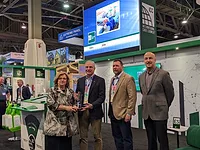
    The ICC Receives Award for Commitment to Building a Sustainable Workforce

    See More
  • Coil coatings in a sustainable environment  (1).jpg

    AkzoNobel Launches White Paper on Role of Coil Coatings in Building a Sustainable Environment

    See More
  • NFRC

    Experts Discuss Building a Sustainable Future

    See More

Related Products

See More Products
  • building codes illustated.jpg

    Building Codes Illustrated: A Guide to Understanding the 2021 International Building Code, 7th Edition

  • net zero.jpg

    Net Zero Energy Design: A Guide for Commercial Architecture

  • 2021 ibc.jpeg

    2021 International Building Code® Illustrated Handbook

See More Products

Events

View AllSubmit An Event
  • October 16, 2025

    Development and Adoption of Air Leakage in Building Codes

    Credits: 1 AIA LU/HSW; 0.1 IIBEC CEH; 0.1 ICC CEUOn-Demand This presentation will discuss the development of air leakage requirements in the model energy codes for commercial buildings. It will then describe the status of adoption of model codes by the states. Finally, the implications for enforcement through whole building airtightness testing of the adopted code will be discussed.
View AllSubmit An Event
×

Enhance your expertise with unparalleled insights.

Join thousands of building professionals today. Shouldn’t you know what they know?

SUBSCRIBE TODAY!
  • RESOURCES
    • Advertise
    • Contact Us
    • Store
    • Want More
  • SIGN UP TODAY
    • Create Account
    • Newsletter
    • Customer Service
    • Manage Preferences
  • SERVICES
    • Marketing Services
    • Reprints
    • Market Research
    • List Rental
    • Survey/Respondent Access
  • STAY CONNECTED
    • LinkedIn
    • Facebook
    • Instagram
    • YouTube
    • X
  • PRIVACY
    • PRIVACY POLICY
    • TERMS & CONDITIONS
    • DO NOT SELL MY PERSONAL INFORMATION
    • PRIVACY REQUEST
    • ACCESSIBILITY

Copyright ©2026. All Rights Reserved BNP Media, Inc. and BNP Media II, LLC.

Design, CMS, Hosting & Web Development :: ePublishing