Selecting Concrete or Stucco Coating Solution
Big picture thinking yields significant savings.

During the last several years, coating manufacturers have become increasingly more sophisticated in creating products to seal and protect concrete and stucco. Solutions that once solely looked to for protection now offer a host of added benefits to satisfy evolving customer needs.
When selecting a coating product, decision makers today are often balancing a number of considerations including service life, dry times, and environmental concerns. Cost is also on this list; however, many individuals do not consider the total installation costs associated with a product before making a final purchasing decision. In order to realize the total return on an investment, owners should seek coatings that offer the best overall performance for a range of applications and surfaces, while also keeping total life cycle costs low.
By analyzing the key factors to consider when selecting a coating solution, today’s end users are able to repair, restore, and protect a wide variety of substrates with minimal operational downtime and product wear.
First Things First, Why We Need Coatings
Coatings are utilized for many different reasons. Surface degradation, improper installation, and expansion from continuous exposure to moisture are some of the most common causes of failure in a substrate system. To avoid the added expense associated with full replacement, installers will apply a coating to restore a substrate. When choosing a coating, all types should be considered to ensure proper performance. Selecting a product that can handle a variety of failure modes can result in significant cost savings for future applications.
EIF systems were designed to be a low-cost, face-sealed facade barrier system, providing waterproofing protection and insulation. Though these systems tend to be popular among builders, the materials used can wear over time.
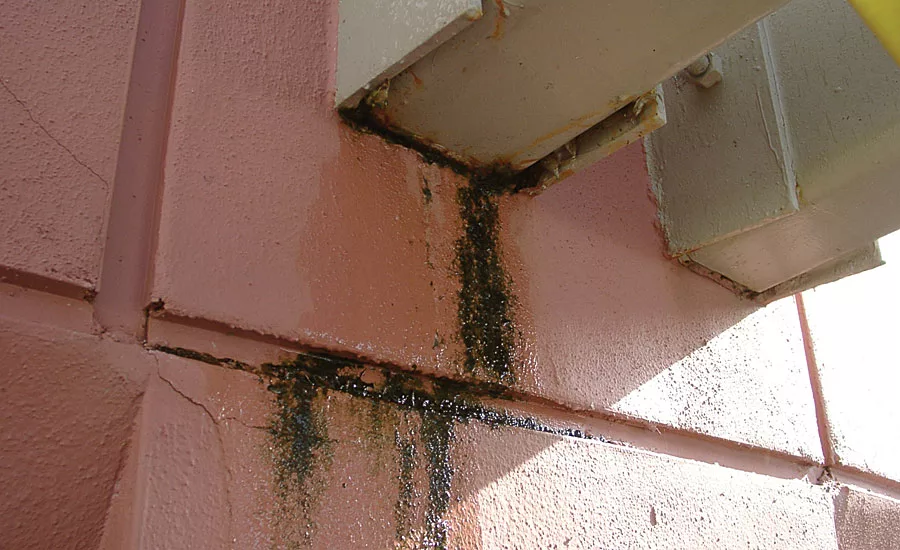
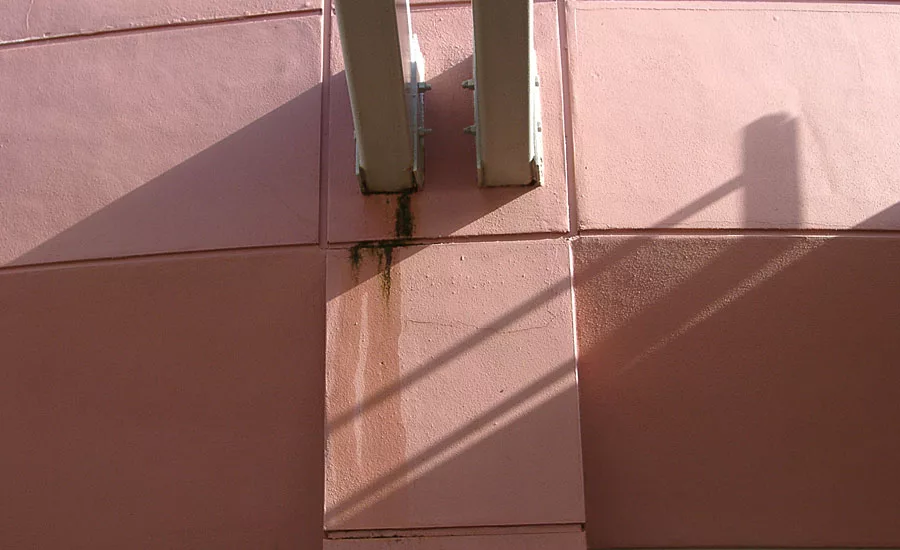
Stucco:It’s important to remember that stucco is not waterproof, and therefore, water intrusion is the leading cause of deterioration in stucco structures. Movement in the structure or improper application can damage the stucco by absorbing excessive moisture, which can lead to delamination particularly in areas where freeze-thaw cycles occur. Improper installation of wire mesh or control joints can also lead to cracking issues in stucco systems.
Concrete:Concrete systems also suffer from water intrusion, poor workmanship, improper design and environmental issues. In a typical application, water will carry in chlorides causing accelerated corrosion of the reinforcing steel that result in cracking and spalling, leading to even more water penetration and carbonation.
Now, let’s consider the life cycle cost factors.
Environmental Considerations
Concrete and stucco are subject to significant wear and tear on a regular basis. Exposure to harsh environmental factors, such as abrasion, chemicals, wind-driven rain, and thermal shock can cause serious damage to substrates. When evaluating a coating’s total ownership costs, it is imperative to account for all possible factors that may affect coating performance.
Here are a few questions to ask before making a product selection:
- What chemicals (if any) will the product come in contact with?
- Will the coating be used for concrete flooring? If so, how much traffic (pedestrian or vehicle) will pass over it each day?
- What is the climate of the application? Is it humid, temperate, cold? Will it be exposed to freeze-thaw cycles?
- Will it be exposed to abrasive materials?
- Is the structure located in a coastal area?
Which Type of Coating to Choose?
When selecting a coating product, it is best to look for solutions that can allow for the transmission of moisture vapor from the substrate, be applied quickly in any climate, and have a long service life. Although some coating products are more durable than others, all coatings will fail over a given period of time. Deterioration from exposure to UV rays, salt attack, and normal wear and tear causes the coating to break down, requiring regular inspection and maintenance. Investing in a durable, long-lasting coating that is well suited for the application is the best way to ward against catastrophic failure.
There are three types of coatings available for these applications: elastomeric, rigid and cementitious.
Elastomeric: When properly applied, elastomeric coatings can provide a water-resistant, long-lasting coating film to protect a structure. Elastomeric coatings are most commonly used for buildings with hairline cracks that the coating’s elastomeric properties will be able to bridge and flex with the cracks’ movement. The coating must be applied to a mil thickness usually between seven to 10 dry mils to a pinhole free film. This thickness is required to give the coating enough thickness to achieve the needed elongation over cracks without the film tearing. Application over chalky or dirty surfaces will cause the coating to peel. Good surface preparation is critical to the success of this type of coating.
Excessive moisture in the structure will cause peeling and coatings failures. If your EIFS-clad structure currently has moisture intrusion issues, then it is critical to ensure the moisture has been allowed to escape to an acceptable level for the elastomeric coatings to succeed. As time goes on, exposure to the environment will cause the elastomeric coatings to lose their elasticity and, therefore, lose their crack bridging capabilities.
Rigid: Rigid coatings are defined as house paint and higher film build coatings (masonry coatings, Thorocoat, Tammscoat, etc.). The service life for these types of coatings is usually from five to 10 years, depending on the film thickness and environment. While the initial application will enhance the appearance of the structure and add value, it is a temporary advantage, as over time the coating will deteriorate and possibly peel. This solution is a maintenance issue every five to 10 years.
Cementitious: Though slightly more expensive than rigid or elastomeric coatings, cementitious coatings are often the best option for the end user as they provide a stronger, more wear-resistant film, and are designed to mirror existing finishes. When selecting a cementitious coating product, it is best to look for solutions that allow for the transmission of moisture vapor from the substrate. Some cementitious coatings are designed to be negative side water-proofers, which are not permeable and commonly used below grade. Other important criteria include abrasion resistance, impact resistance, water resistance, ease of application, and back-in-service time. When selected and applied correctly, more advanced products can last 25-plus years.
Case in Point
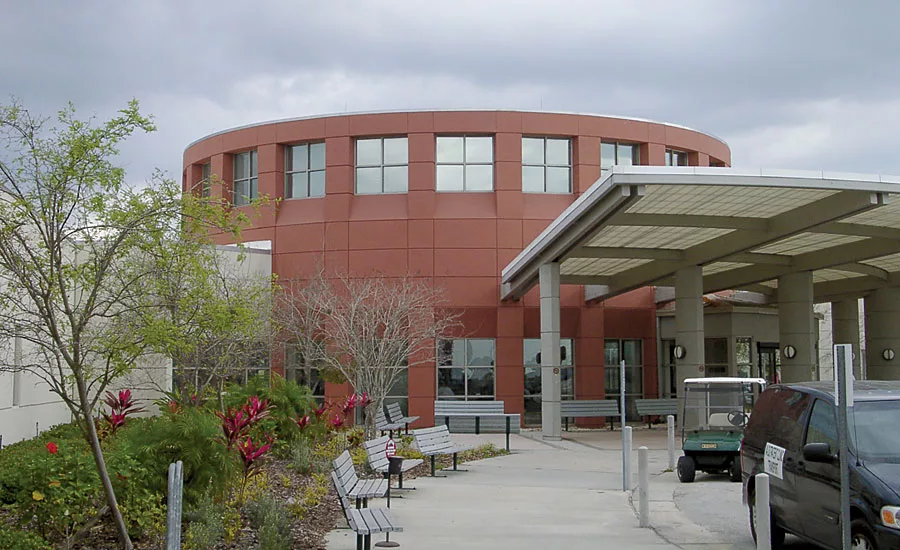
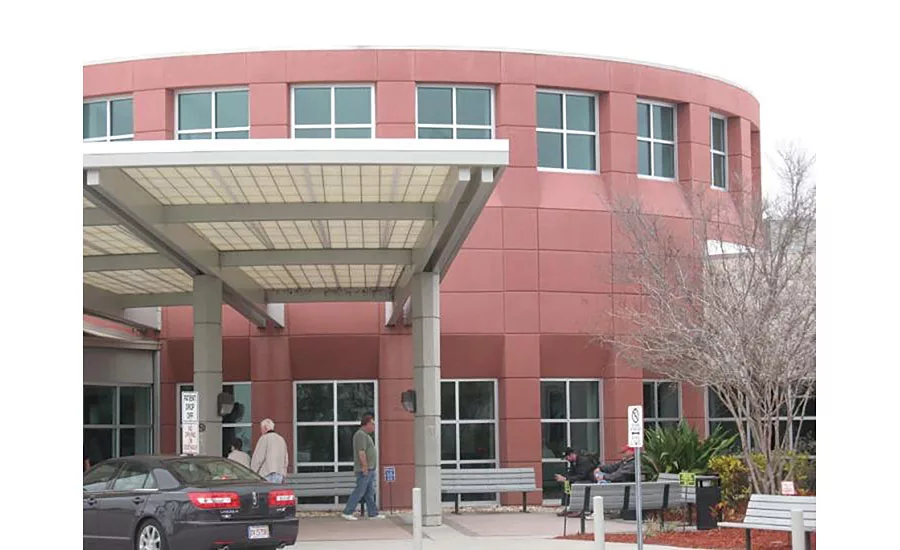
The Viera VA Clinic in Viera, Florida was repaired in 2015. This Florida building had cracking and leaking caused by water intrusion that led to the interior floor being damaged. The owners opted to use Forta-Kote Super Stucco to seal and protect the exterior of the building without the need for any additional water barrier. The coating was applied directly over the existing cleaned substrate, protecting the building from future failure and saving the customer thousands in additional repair costs.
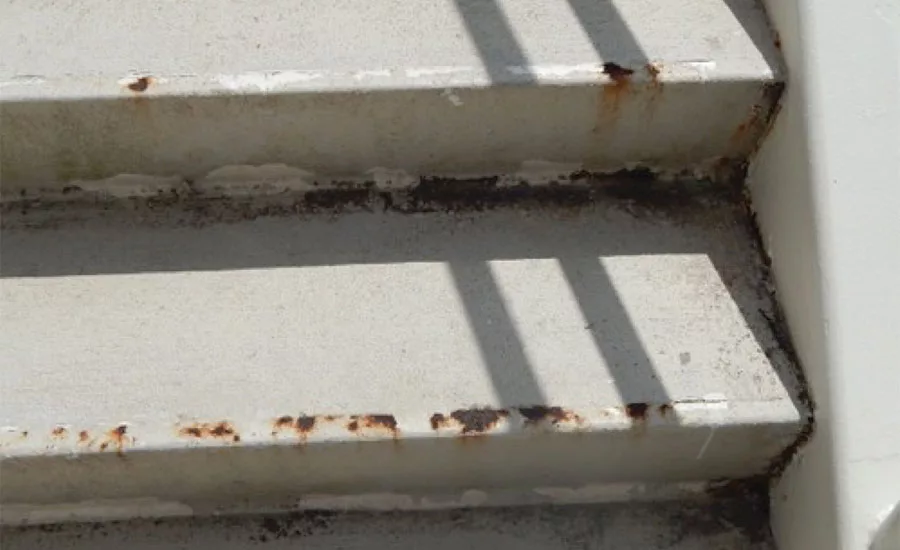
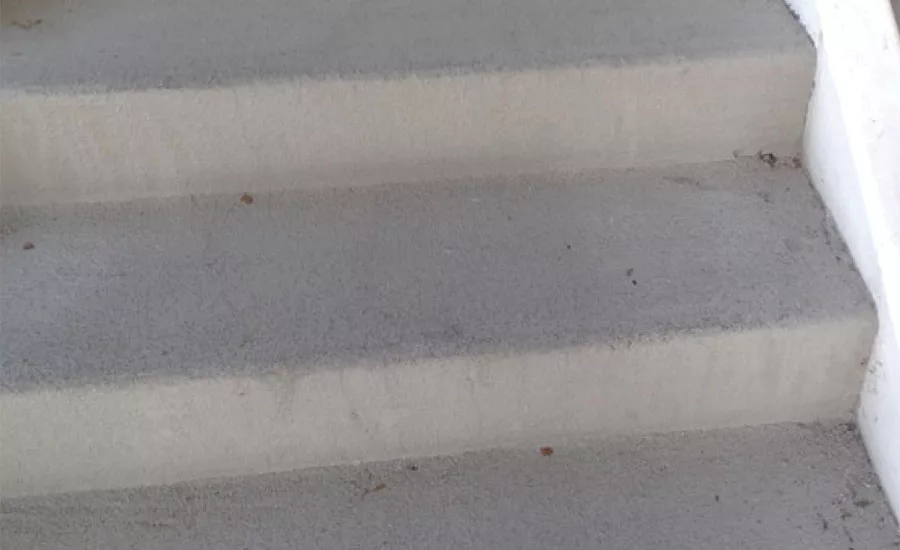
Orange County Convention Center Stairwell in Orlando was repaired in 2013. Due to the rust on reinforcing steel, these concrete steps began to spall. All loose and deteriorated concrete was removed and Forta-Kote Tough Deck was applied to repair the structure. These steps are now non-slip, uniform in appearance, durable, and abrasion resistant.
Here’s to Long-lasting, Worry-free Projects
As new coating formulations help provide users with improved product performance, the demand for durable, long-lasting solutions continues to propel the industry forward. Before purchasing a coating product, key factors such as application type, environmental concerns, and service life should be considered in order to attain the desired result.
In any application, it is important to partner with a manufacturer that is engaged and attentive throughout the entire purchasing and installation process. Having an expert on hand to answer questions and offer counsel is the best way to ensure all quality control parameters are being met.
Looking for a reprint of this article?
From high-res PDFs to custom plaques, order your copy today!
.webp?height=740&t=1767036885&width=auto "Header - BE 1170x658 (002).png")

.webp?height=740&t=1755781744&width=auto "KEE(2).png")
.webp?height=200&t=1743425323&width=200 "Siplast(4).png")